High-efficiency components, structural systems, and prefabricated modules ready for quick assembly and medical-grade deployment.
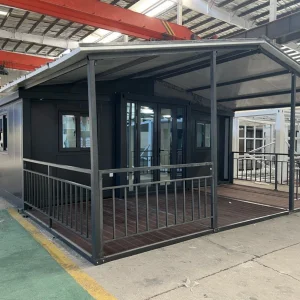
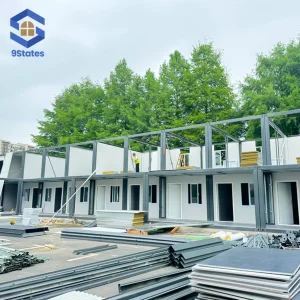
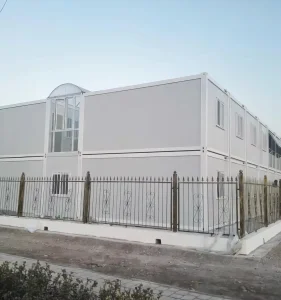
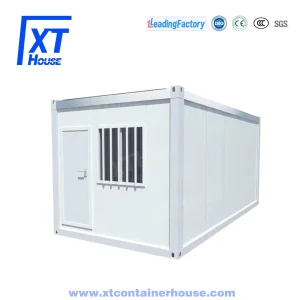
In the wake of shifting public health demands, extreme geopolitical disruptions, and the escalation of climate-induced crises, static healthcare infrastructure is facing unprecedented vulnerability. The capacity to localize medical access dynamically has transition from a contingent military and humanitarian resource into a core pillar of modern municipal design and sovereign preparedness.
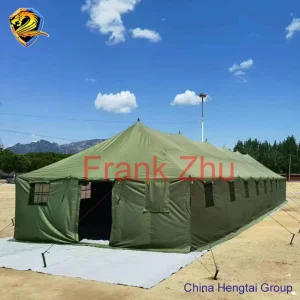
Modern portable medical facilities are no longer just simple canvas tents or converted steel cargo boxes. They are now dynamic, clinically clean containment zones. They are equipped with positive/negative pressure air systems, antimicrobial walls, and independent wastewater and electric grids. Key trends driving this transition include:
A portable medical facility's real value lies in its deployment speed. Traditional clinical construction projects take months or years. In contrast, modular setups from specialized manufacturers can go from flat-pack delivery to active triage in under 24 hours. This drastically cuts down on critical lead times.
B2B buyers, municipal healthcare systems, and military logistics departments require highly detailed technical specifications to justify large-scale capital investments. When purchasing portable medical solutions, international clients must navigate several critical technical challenges:
Units must conform to standard ISO container shipping sizes to prevent expensive specialized shipping rates. Flat-pack and collapsible container variants ensure up to four units can be transported in the space of a single standard container, drastically lowering freight costs.
Modular hospitals face extreme environments, from sub-zero field clinics to desert heat. High-density polyurethane sandwich panels (50mm to 100mm) with thermal insulation layers are essential to keep clinical interiors safe and stable.
Infectious disease isolation wards require airtight negative-pressure rooms, washable non-porous antimicrobial flooring, and integrated chemical sanitization pipelines to stop pathogens from spreading.
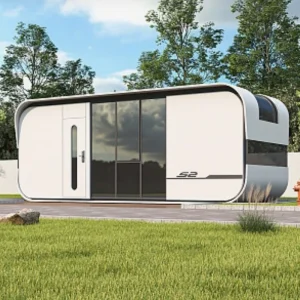
Dongguan Estable Living Co., Ltd. is a dynamic and innovation-driven manufacturer specializing in foldable housing and modular building solutions. Positioned as a Foldable House Manufacturer | Collapsible Modular Building Supplier | Rapid Deployment Housing Solutions provider, the company delivers efficient, portable, and cost-effective structures for global clients in construction, emergency response, mining camps, and temporary accommodation sectors.
Founded in 2012 in Dongguan, China, Estable Living began as a small-scale metal structure workshop focused on light steel fabrication. By 2015, the company expanded into prefabricated housing systems, recognizing the growing global demand for fast-installation and relocatable buildings. In 2018, Estable introduced its first generation of foldable container houses, significantly reducing installation time and transportation costs.
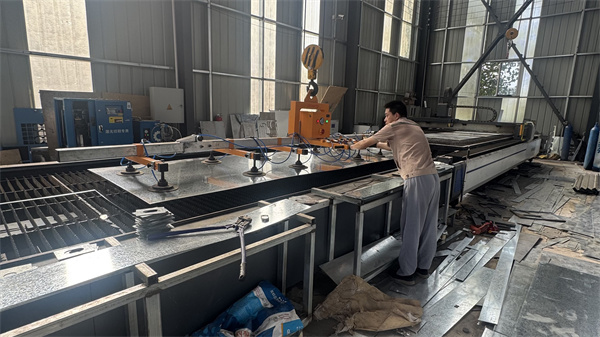
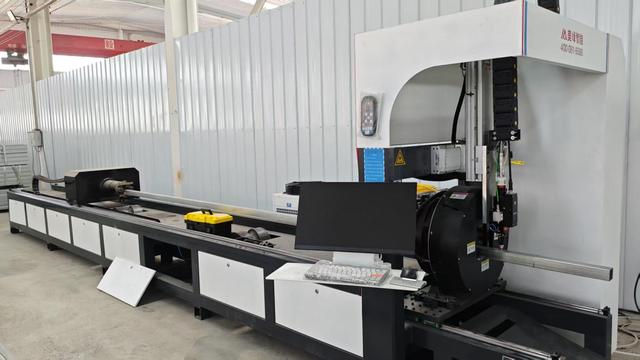
Driven by continuous R&D, the company upgraded its product line in 2021 to include advanced collapsible modular buildings with improved insulation, durability, and customizable layouts. Today, Estable Living operates modern production facilities equipped with automated cutting, welding, and assembly lines, ensuring consistent quality and scalable output. The company's engineering team adapts modular housing technology to manufacture and customize portable medical facilities, field triage rooms, emergency containment zones, and clean room facilities.
Importing modular medical structures requires strict compliance with international engineering and clinical safety standards. Estable Living builds all of its clinical-grade modular panels to meet key global benchmarks:
| Regulatory Body / Code | Required Standard | Estable Living Compliance Specifications |
|---|---|---|
| ISO 9001:2015 | Quality Management System | Strict quality inspections from raw steel selection to final panel pressure tests. |
| CE Mark (EN 1090-1) | Structural Steel Execution | Certified structural load welding suitable for permanent or semi-permanent public structures in the EU. |
| ASTM E84 | Fire Performance (Class A) | Rockwool and PIR insulation sandwich panels that meet strict flame-spread and smoke-density limits. |
| EN 60601-1-2 | Electromagnetic Shielding | Internal clinical wiring is shielded to prevent interference with sensitive diagnostic machines like MRI and X-ray systems. |
Looking ahead to 2030, Estable Living's R&D is focused on creating smart, self-sustaining medical containers. This technical roadmap is designed to solve real-world challenges in off-grid medical care:
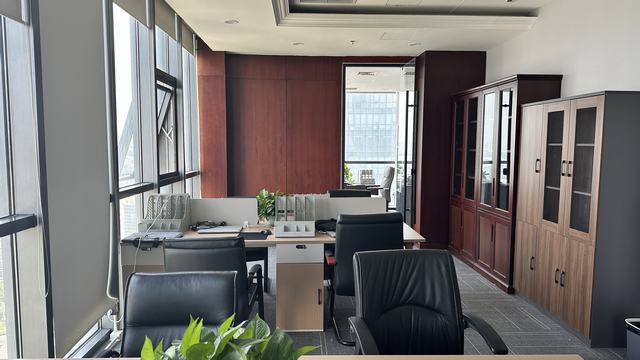
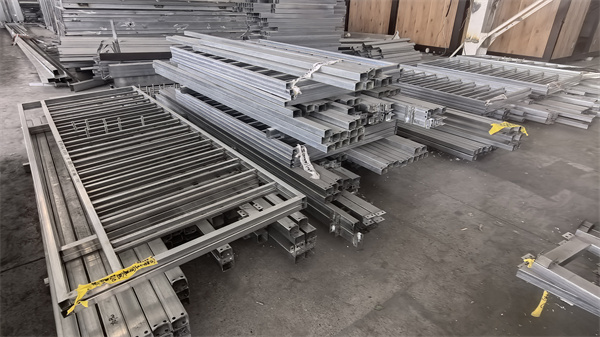
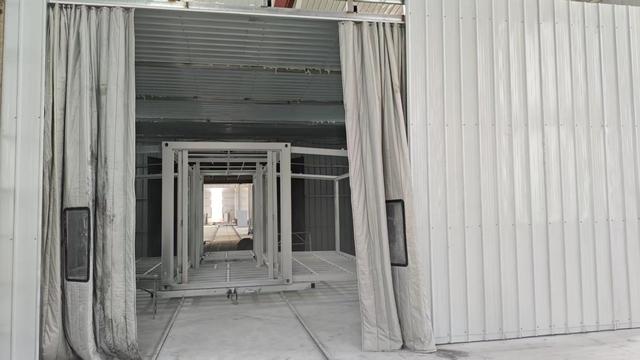
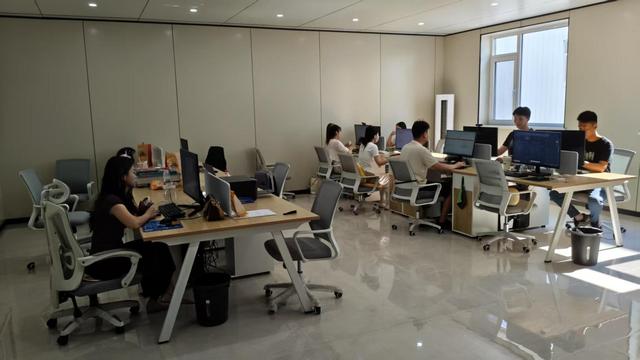
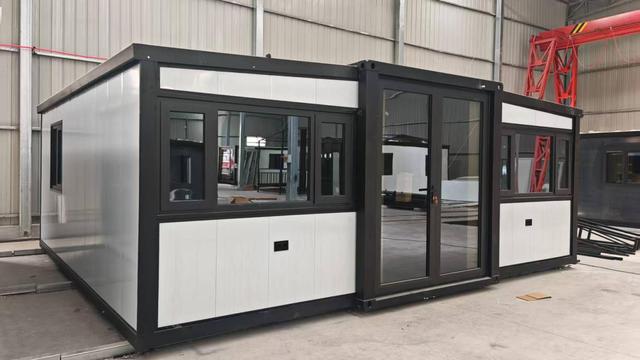
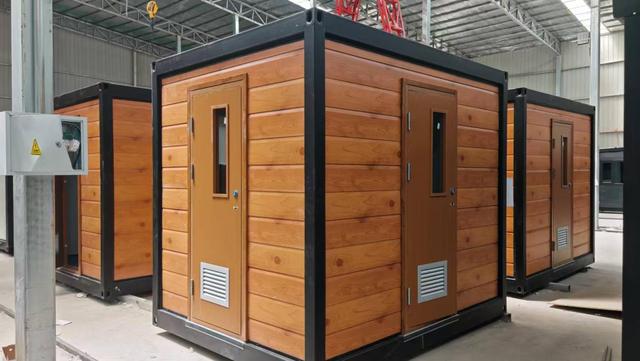
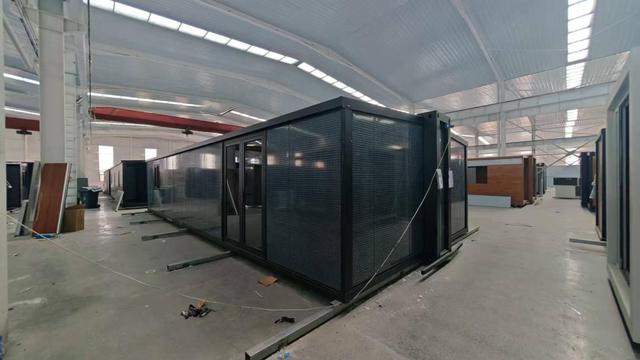
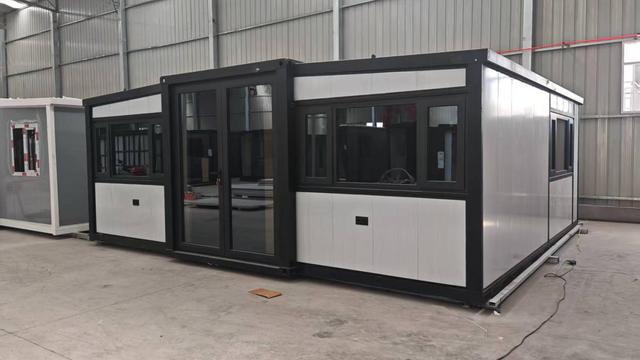
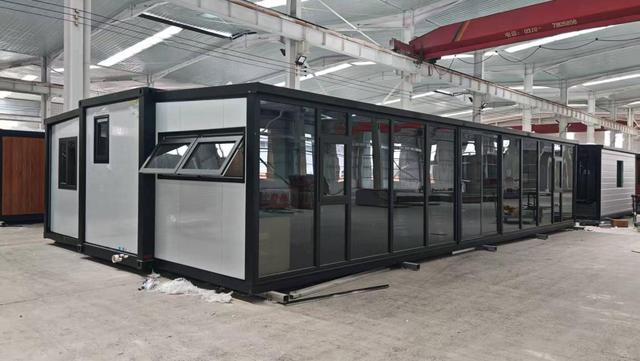
A look inside our automated production lines in Dongguan, China, showcasing our manufacturing capacity and structural safety standards.
Answers to common questions from procurement managers, health agencies, and structural engineers on purchasing modular medical systems.
Yes. Our modular steel frames and insulated panels are designed to accommodate custom mechanical ductwork, negative pressure filtration units, and HEPA filter ventilation. This keeps isolation wards safe and isolates dangerous pathogens.
We build our containers with high-grade galvanized steel frames and premium insulation cores (polyurethane, rockwool, or EPS panels). This provides excellent thermal protection and wind resistance of up to 120 km/h, making them suitable for extreme hot or cold climates.
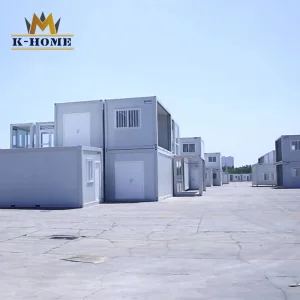
Our foldable container models can fold down flat to just 1/4 of their expanded height. This allows us to pack four folded units into a single standard shipping slot, drastically reducing ocean freight costs for large international orders.
Absolutely. We offer customized interior layouts. We can add lead-lined drywall for radiation shielding, heavy-duty utility routing, and reinforced steel subfloors to support heavier diagnostic equipment.
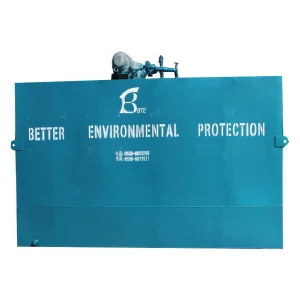
We design and integrate modular wastewater and sewage treatment systems. These systems treat clinic runoff on-site, containing dangerous chemicals and biological waste so they don't leak into the local environment.
Standard modular orders take about 15 to 25 days to manufacture. For complex projects or custom configurations, the production schedule varies depending on structural specifications and materials.
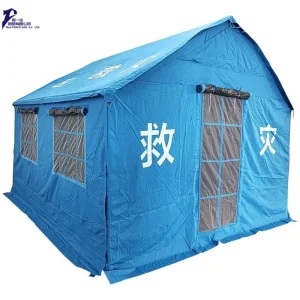
A wider range of emergency shelters, support electronics, and structural accessories to complete your medical compound.
 Estable Living