Engineered modular structures and decentralized power/water systems optimized for immediate deployment in the Rwandan geographical terrain.
Rwanda—frequently recognized as the "Land of a Thousand Hills"—has established itself as one of Sub-Saharan Africa's fastest-growing economies. With its ambitious Vision 2050 development strategy, the country is executing large-scale structural changes. From the construction of the massive Bugesera International Airport to extensive road corridors cutting through the Kivu region, urban development is decentralizing. Industrial activity, mining operations, and infrastructure projects are moving deeper into rural provinces. This spatial economic shifts require reliable, temporary, and semi-permanent housing infrastructures that can be erected rapidly, endure regional climatic conditions, and function independently from the primary electrical grid.
In addition to rapid urbanization, Rwanda is expanding its mining sector, focusing on critical minerals like cassiterite, coltan, and wolframite. These extraction zones are frequently characterized by steep terrains, high seasonal rainfall, and limited road access. Traditional concrete masonry or timber construction is economically unviable and environmentally destructive in these environments. Consequently, heavy-duty modular camp housing systems have transitioned from an alternative option to an essential operational component for multinational contractors, mining enterprises, and government departments operating across the country.
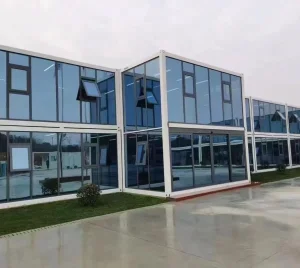
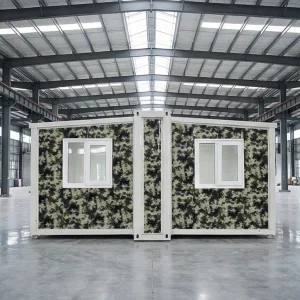
Building in Rwanda means adapting to structural challenges posed by terrain gradient and hydrological cycles. Unlike flat plains, modular camp foundations in regions like Rubavu or Musanze must account for sloping ground and potential runoff. Our modular systems integrate adjustable steel pier systems that allow rapid installation on uneven grounds without extensive leveling, maintaining structural equilibrium. High-density, closed-cell Polyurethane (PU) sandwich panels are integrated to ensure reliable thermal performance, managing the temperature swings between sunlit afternoons and cold nights characteristic of the Rwandan highlands.
Internationally, modular housing has entered a phase focused on ecological sustainability and speed of execution. ESG (Environmental, Social, and Governance) targets require project managers to reduce their on-site carbon footprint, minimize construction waste, and prioritize worker welfare by providing standardized, hygienic, and safe quarters. Globally, developers are shifting away from single-use temporary camps toward circular housing solutions that can be dismantled, folded, flat-packed, and transported to subsequent project phases without structural degradation.
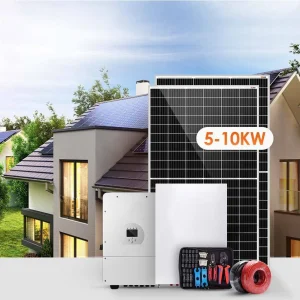
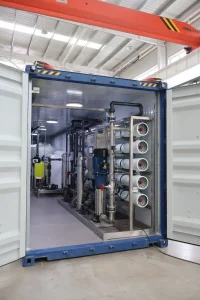
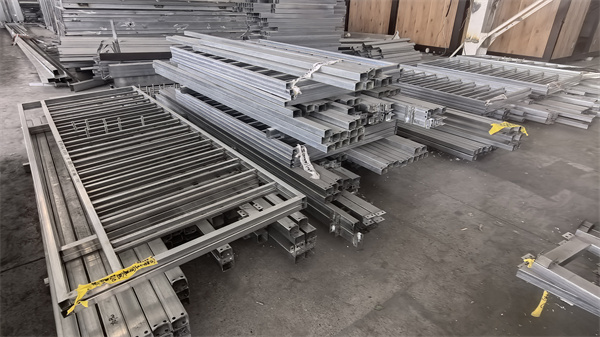
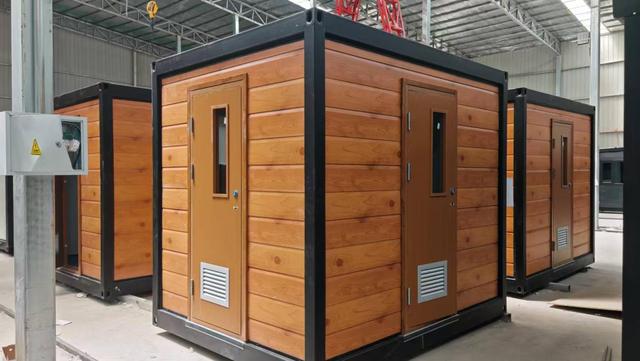
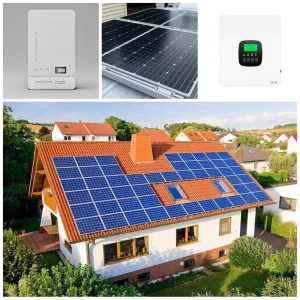
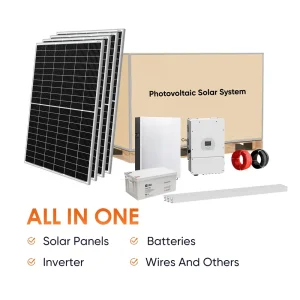
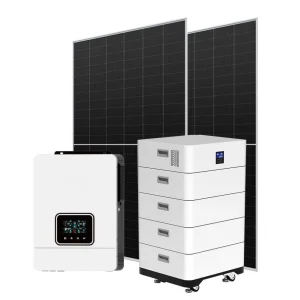
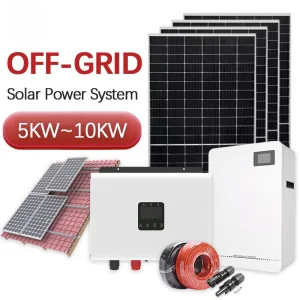
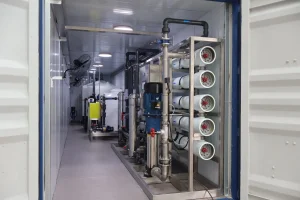
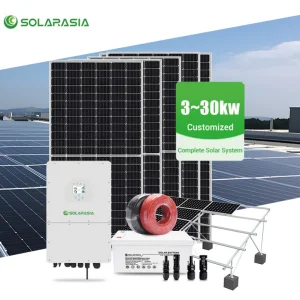
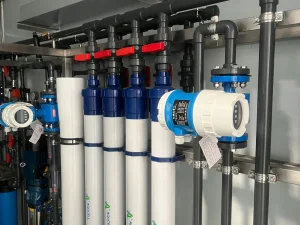
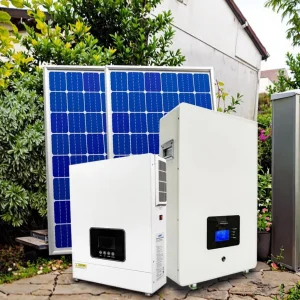
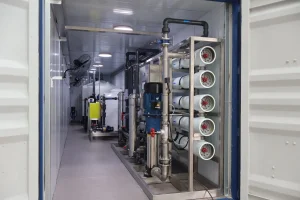
Our structures leverage precision-engineered structural steel framing and galvanized steel sheeting to resist oxidation, ensuring resilience against high humidity and rainfall. The integration of auxiliary off-grid solar panels and containerized reverse osmosis (RO) systems allows camps to operate with minimal environmental footprint, maintaining high water quality and power reliability in remote zones.
Understanding user intent and operational reality is key to designing modular infrastructure. Within Rwanda's borders, our modular camp systems are optimized for several critical applications:
In high-altitude mining sites near Lake Kivu, worker accommodations must be dynamic and adaptable. Since geological exploration shifts over time, the ability to pack up, transport, and re-establish camp housing is essential. The structural framing supports integrated bunk-beds, lockers, and shared bath modules while relying on solar power arrays and containerized RO water purifiers to keep operations functional.
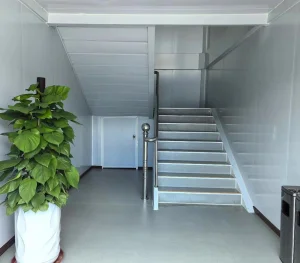
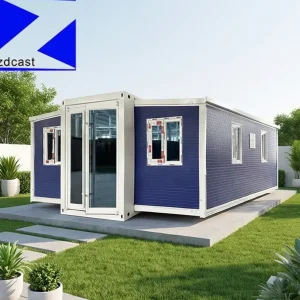
Large infrastructure works require massive labor forces. Building permanent dormitories for short-term phases is economically inefficient. Foldable housing systems provide rapid structural installations that can shelter hundreds of workers within days, complete with integrated electrical layouts, proper insulation, and optimized ventilation designed to prevent moisture buildup.
Constructing close to sensitive ecological zones requires non-invasive building practices. The compact footprint and low-impact foundations of prefabricated collapsible buildings ensure that zero chemical runoff enters local soils during construction. Minimal earthmoving machinery is required, keeping the natural landscape untouched.
As a key logistics node for regional stability, Rwanda frequently handles rapid humanitarian logistics. In emergencies, our rapid-conversion flat-pack and folding structures serve as clinics, temporary administrative centers, and family shelters, providing secure housing during critical windows.
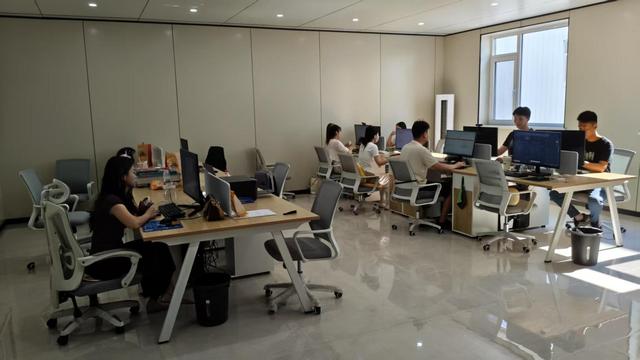
Dongguan Estable Living Co., Ltd. is a dynamic and innovation-driven manufacturer specializing in foldable housing and modular building solutions. Positioned as a Foldable House Manufacturer | Collapsible Modular Building Supplier | Rapid Deployment Housing Solutions provider, the company delivers efficient, portable, and cost-effective structures for global clients in construction, emergency response, mining camps, and temporary accommodation sectors.
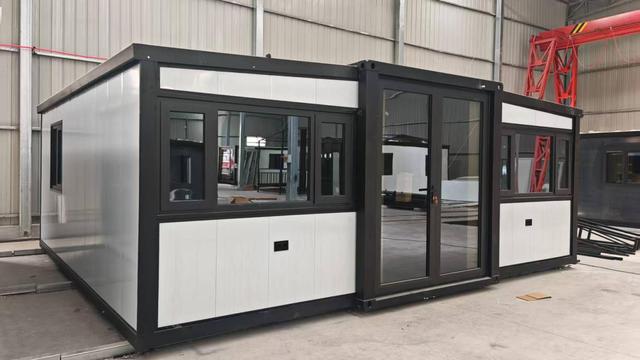
Founded in 2012 in Dongguan, China, Estable Living began as a small-scale metal structure workshop focused on light steel fabrication. By 2015, the company expanded into prefabricated housing systems, recognizing the growing global demand for fast-installation and relocatable buildings. In 2018, Estable introduced its first generation of foldable container houses, significantly reducing installation time and transportation costs.
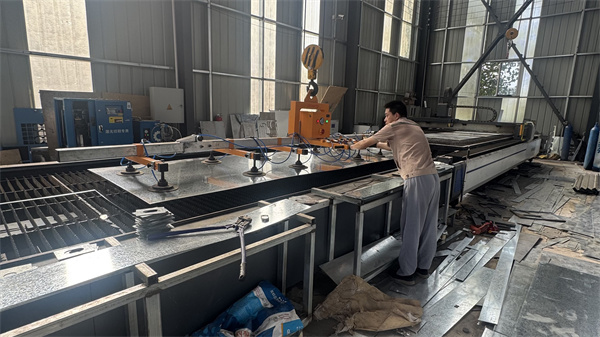
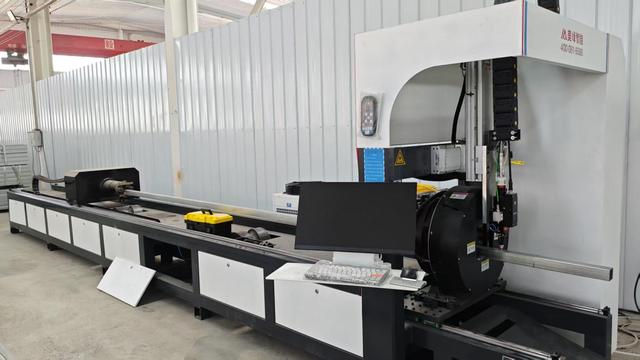
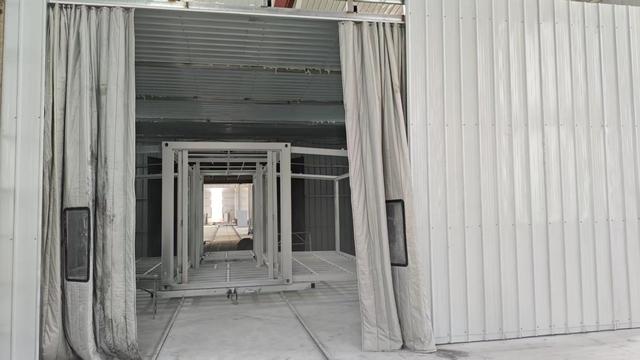
Driven by continuous R&D, the company upgraded its product line in 2021 to include advanced collapsible modular buildings with improved insulation, durability, and customizable layouts. Today, Estable Living operates modern production facilities equipped with automated cutting, welding, and assembly lines, ensuring consistent quality and scalable output.
With a strong commitment to innovation, sustainability, and customer-oriented design, Dongguan Estable Living Co., Ltd. has established long-term partnerships across Asia, the Middle East, Africa, and South America. The company continues to lead in rapid deployment housing solutions, offering reliable, flexible, and future-ready modular living spaces for a wide range of applications.
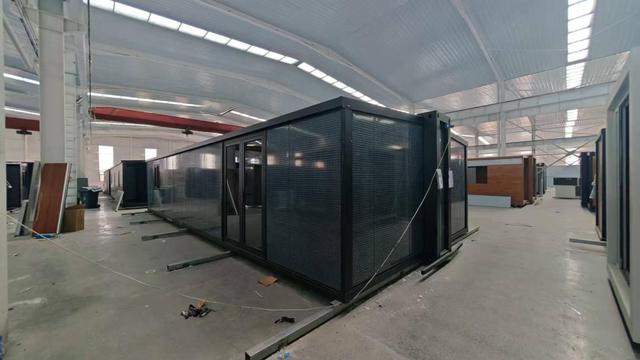
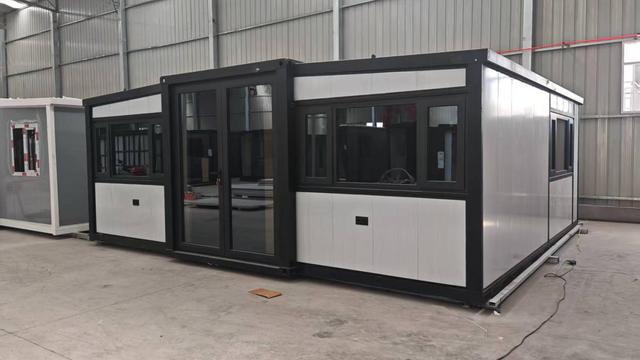
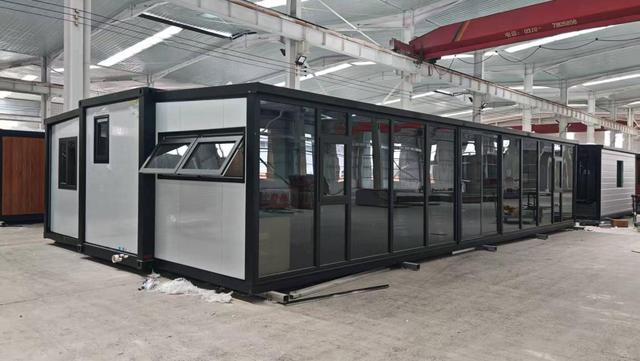
Core off-grid power solutions and advanced containerized water processing equipment designed to support large worker camps.
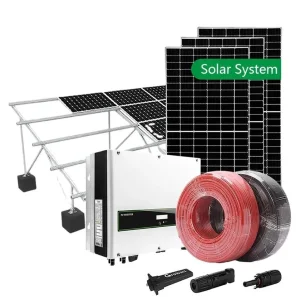
Direct technical answers concerning shipping, local engineering regulations, and setup in the Rwanda region.
Consult with our engineering department to configure structural layouts, solar power integration, and water purification units optimized for your project site.
Send Inquiry Now Estable Living