Explore our premium range of CE certified high-performance containerized housings, luxury pods, and system components engineered for rapid deployment globally.
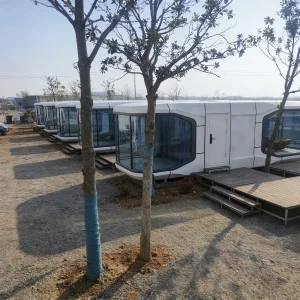
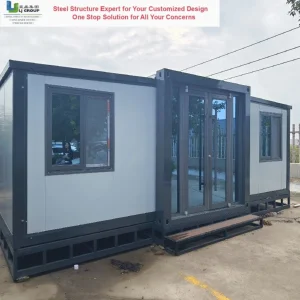
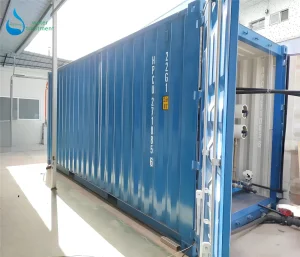
A comprehensive analysis of prefabricated resilience, modern regulatory structures, and urban architectural modularity.
The global construction industry is undergoing a structural transformation. Traditional brick-and-mortar methodologies are increasingly constrained by rising on-site labor costs, extended development timelines, and strict carbon emission regulations. In response, flexible living spaces (FLS) have transitioned from provisional shelter solutions into a dominant segment of commercial, industrial, and high-end residential engineering.
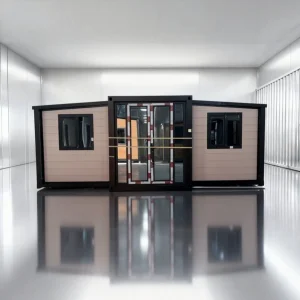
Modern structural flexibility is not merely about portability; it is a systematic design approach utilizing high-strength structural hollow sections, cold-formed steel frames, and state-of-the-art polyurethane (PU) or rockwool sandwich insulation panels. These integrated material technologies allow modules to scale vertically or horizontally, dynamic layouts to morph based on localized urban occupancy rates, and buildings to be fully folded, transported, and reassembled with negligible material degradation.
Information Gain Insight: The integration of ISO-standardized dimensioning with folding mechanics allows transport efficiencies to improve by up to 400%. Where standard flat-pack containers require individual slot allocations on ocean cargo vessels, specialized collapsible structures fold flat to 1/4 of their operational volume, permitting multiple modular components to ship in a single container envelope.
Within the European Economic Area (EEA) and increasingly within global procurement frameworks, the CE Marking is a non-negotiable regulatory prerequisite. For modular prefabricated structures, compliance must span across several structural codes:
B2B buyers, institutional developers, and government contractors must realize that importing non-certified modular structures risks massive regulatory liabilities, insurance denials, and structural failures under extreme local weather conditions. Selecting a manufacturer with a verified CE Certificate ensures that structural calculations, welding quality, thermal transmittance (U-values), and acoustic isolation meet the rigorous safety criteria demanded by modern building authorities.
Uncompromising structural integrity engineered to withstand the harshest environments globally.
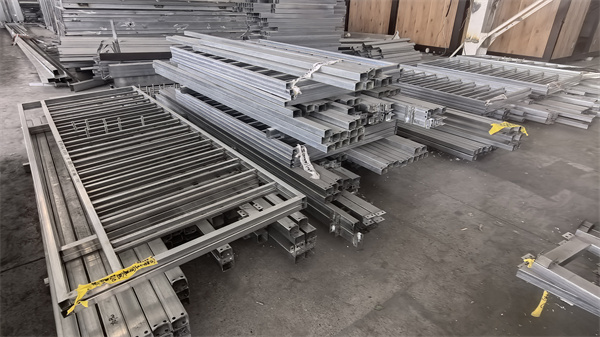
Utilizes Q235B or Q355B hot-dip galvanized steel framing. Minimum zinc coating weight of 275g/m² ensures C3/C4 class corrosion protection (ISO 12944) for coastal installations.
Sandwich panels incorporate high-density polyurethane (PU) or non-combustible basalt rockwool. Provides exceptional thermal barrier performance (U-values down to 0.24 W/m²K).
Engineered with proprietary heavy-duty structural hinges and EPDM weather-stripping seals. A single standard modular folding unit can be erected within 10 minutes by a team of three.
| Structural Parameter | Technical Specification | Standards Compliance |
|---|---|---|
| Wind Resistance Capacity | Up to Category 12 Typhoons (V_ref = 34 m/s) | EN 1991-1-4 (Eurocode 1: Wind Actions) |
| Seismic Performance Class | Designed for Intensity Grade 8 Zones | EN 1998-1 (Eurocode 8: Seismic Design) |
| Snow Load capacity | Up to 1.5 kN/m² roof live load capacity | EN 1991-1-3 (Eurocode 1: Snow Loads) |
| Structural Steel Coating | Epoxy primer + polyurethane finish coating (min. 120μm DFT) | ISO 12944 (Corrosion Protection Class C3/C4) |
| Insulation Core Materials | 50mm/75mm/100mm Rockwool or PU Board (density ≥ 120 kg/m³) | EN 13501-1 (Fire Classification Class A1/B-s1-d0) |
B2B procurement of flexible modular housing demands a deep understanding of total cost of ownership (TCO). In our partnerships with multinational mining consortia, EPC contractors, civil protection agencies, and real estate developers, three main factors emerge as primary drivers of successful procurement:
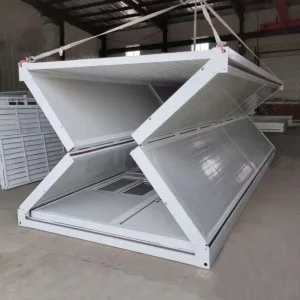
A. Packaging & Transportation Footprint Optimization: Shipping modular houses fully assembled is cost-prohibitive due to spatial constraints on container cargo ships. The modern standard requires either flat-pack systems (semi-assembled) or collapsible modular buildings. Collapsible modular units have a distinct advantage: the roof, floor, and side walls are pre-wired and factory-connected via heavy-duty structural hinges. They pack flat for ocean transit and expand vertically on-site, saving massive labor hours during assembly.
B. Structural Reusability and Mechanical Lifespan: Industrial clients, especially in the mining, oil & gas, and infrastructure sectors, move their workforce housing every 3 to 5 years. Standard lightweight panelized systems deform during dismantling. Stable Living's CE-certified frame configurations are designed with reinforced structural lifting points (using standard 8mm corner castings) to withstand repeated relocations, lifting, folding, and deployment cycles without compromising the core structural envelope.
C. Quick Interlock Utility Connections: On-site electrical and plumbing hookups represent a significant bottleneck. Advanced prefabrication integrates pre-installed distribution boards (DB), local standard compliance cabling (e.g., AS/NZS, UL, or VDE standards), and built-in water inlet/outlet manifolds, reducing on-site MEP (Mechanical, Electrical, Plumbing) integration times by up to 80%.
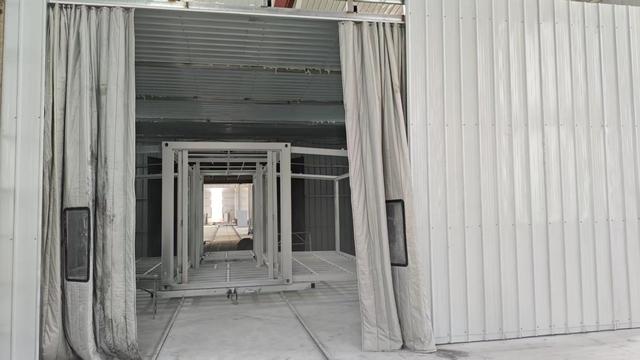
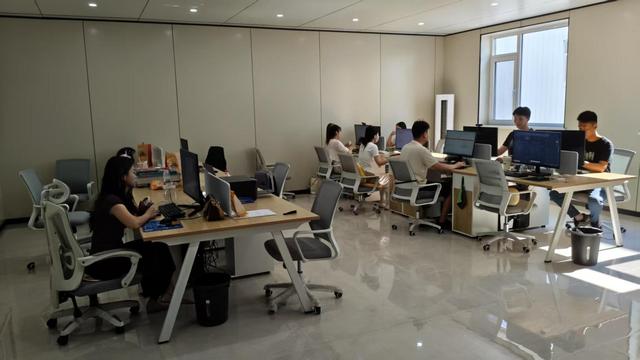
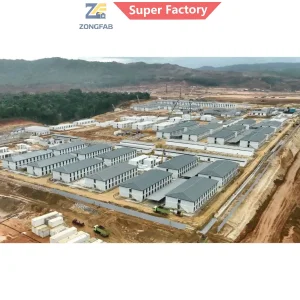
Dongguan Estable Living Co., Ltd.'s manufacturing facilities in Guangdong Province exemplify the transition of traditional modular factories to Factory 4.0 paradigms. Positioned in the heart of China’s advanced manufacturing belt, Estable Living leverages a completely integrated local industrial cluster, guaranteeing structural steel, specialized hardware, and insulation core materials are sourced and processed under strict quality controls.
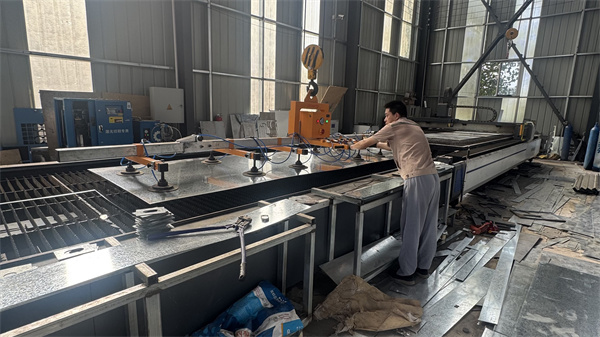
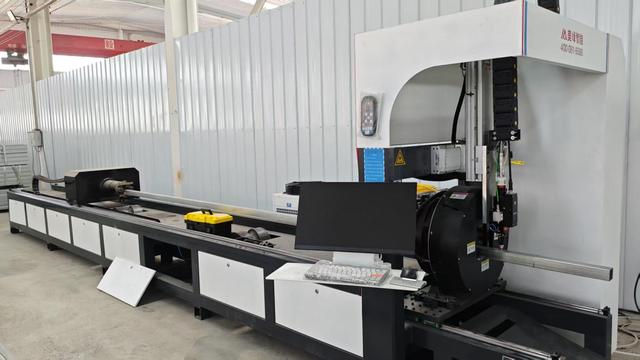
Our factory utilizes advanced CNC laser cutters to achieve high tolerance levels (≤ 0.5mm) on structural frames. Automated robotic welding units execute precise gas metal arc welding (GMAW), eliminating human error and ensuring structural joints satisfy EN 1090 structural integrity requirements.
Furthermore, our automated multi-stage pre-treatment and powder-coating lines protect steel structures against environmental degradation. This systematic production capability allows Estable Living to manufacture thousands of container units annually, maintaining consistent, high-precision quality and providing global B2B clients with highly competitive cost-per-square-meter ratios.
Supply Chain Resilience Insight: In times of global shipping disruptions, Estable Living's strategic proximity to Shenzhen, Nansha, and Hong Kong ports allows for flexible routing, reduced domestic logistics costs, and streamlined customs clearance operations.
No single modular design fits all environments. Real-world applications require tailored structural configurations to handle extreme variations in humidity, wind velocities, and sub-zero temperatures:
A trusted manufacturer specializing in foldable housing and modular building solutions.
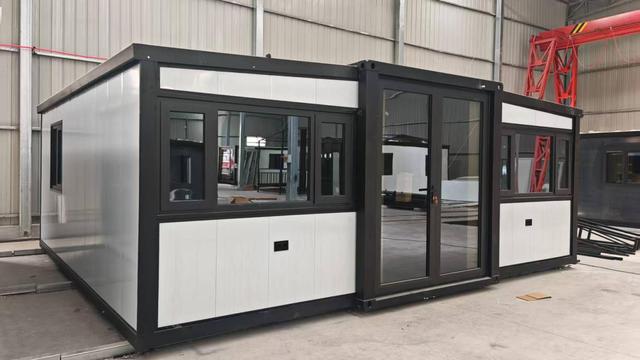
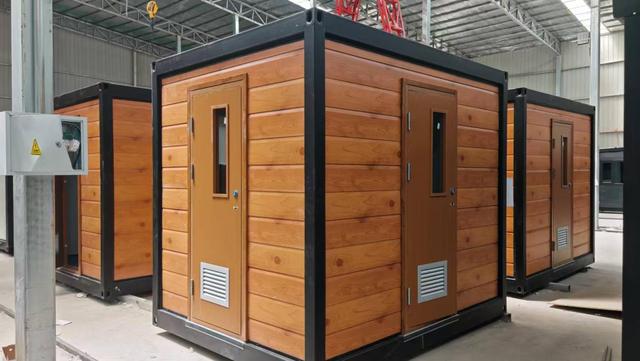
Dongguan Estable Living Co., Ltd. is a dynamic and innovation-driven manufacturer specializing in foldable housing and modular building solutions. Positioned as a Foldable House Manufacturer | Collapsible Modular Building Supplier | Rapid Deployment Housing Solutions provider, the company delivers efficient, portable, and cost-effective structures for global clients in construction, emergency response, mining camps, and temporary accommodation sectors.
Founded in 2012 in Dongguan, China, Estable Living began as a small-scale metal structure workshop focused on light steel fabrication. By 2015, the company expanded into prefabricated housing systems, recognizing the growing global demand for fast-installation and relocatable buildings. In 2018, Estable introduced its first generation of foldable container houses, significantly reducing installation time and transportation costs.
Driven by continuous R&D, the company upgraded its product line in 2021 to include advanced collapsible modular buildings with improved insulation, durability, and customizable layouts. Today, Estable Living operates modern production facilities equipped with automated cutting, welding, and assembly lines, ensuring consistent quality and scalable output.
With a strong commitment to innovation, sustainability, and customer-oriented design, Dongguan Estable Living Co., Ltd. has established long-term partnerships across Asia, the Middle East, Africa, and South America. The company continues to lead in rapid deployment housing solutions, offering reliable, flexible, and future-ready modular living spaces for a wide range of applications.
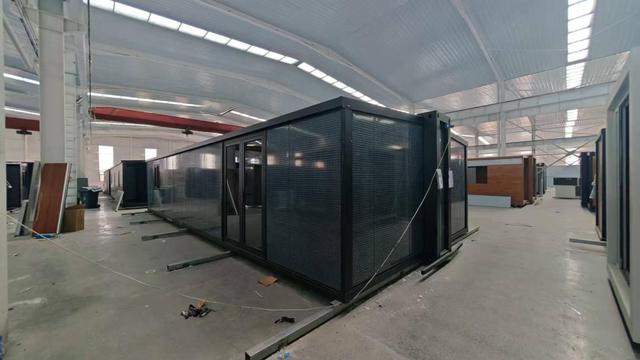
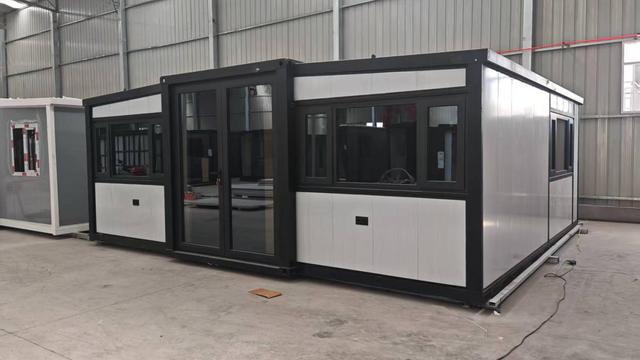
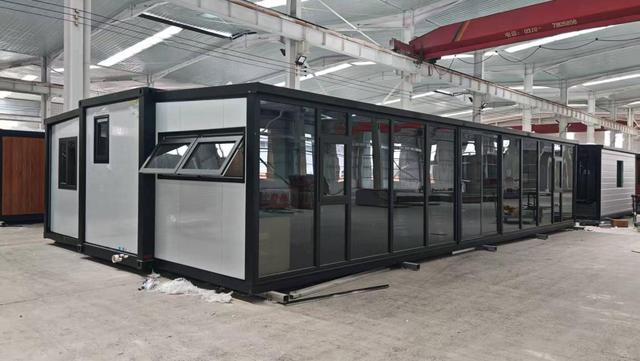
Find answers to common technical, logistics, and compliance questions regarding our flexible living spaces.
Our structures are fully designed and manufactured in accordance with EN 1090-1 and Eurocode 3 standards. This means we verify our steel raw material grades, weld penetration, and load calculations using finite element analysis (FEA). Each structure carries a declared wind load capability of up to 120km/h and supports snow load profiles customized to the destination region's environmental data.
We supply sandwich panel solutions in varying thicknesses (50mm, 75mm, 100mm, or custom 150mm sizes) using either Rockwool (mineral fiber) or Polyurethane (PU). Rockwool meets the highest Class A non-combustible fire ratings (EN 13501-1), which is ideal for strict commercial zoning codes. For extreme cold regions, our high-density PU panels deliver superior R-values, preventing thermal bridging and minimizing interior heating energy consumption.
Due to our factory-integrated structural hinges and pre-balanced lifting nodes, a standard 20ft foldable container house can be erected in approximately 10 to 15 minutes using an overhead crane or forklift and a crew of 3 installers. The process involves lifting the main roof structure, unfolding the pre-attached side walls, and securing the corner columns with high-strength structural bolts.
Logistical efficiency is one of our primary design goals. Standard rigid container modules require individual shipping space. In contrast, our collapsible modular houses fold down to a height of just 450mm. This allows us to load up to 4 folded units inside a single standard 40ft High Cube (HC) shipping container, reducing sea freight and inland transport costs by up to 75% per unit.
Yes. During the technical design review phase, we configure electrical cabling, sockets, conduit runs, and distribution panels to meet specific country requirements, including AS/NZS (Australia/New Zealand), BS (United Kingdom), VDE (Europe), and UL (United States). Plumbing pipe materials, connection diameters, and sanitary components are pre-assembled in the factory to allow for simple on-site utility hookup.
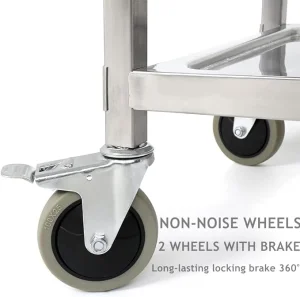
Explore our industrial structures, custom flat pack units, heavy-duty logistics shelving, and specialized mobile supporting infrastructure.
 Estable Living