Explore our state-of-the-art prefabricated capsules, modular bedrooms, and heavy-duty structural solutions engineered for global transportability and immediate assembly.
Analyzing market drivers, structural design requirements, and cost-effective export ecosystems for high-demand prefabricated housing.
The global real estate landscape is experiencing a paradigm shift. Rising land acquisition values, multi-generational family structures, and the demand for flexible work-from-home layouts have accelerated the adoption of Accessory Dwelling Units (ADUs). As secondary residential units built on existing lots, ADUs demand strict structural compliance, high architectural customization, and swift manufacturing lead times. Finding the right custom OEM ADU exporter is no longer just about searching for a supplier; it is about building a reliable supply chain strategy that addresses local zoning codes, environmental variables, and transportation optimizations.
By shifting construction from unpredictable outdoor environments to high-precision manufacturing facilities, OEM exporters deliver superior structural integrity, tighter environmental seals, and significantly reduced overheads. Whether the final application is an urban backyard office, an off-grid vacation rental capsule, or a rapid-assembly refugee cluster, the core value proposition of modular engineering remains unchanged: delivering structural consistency at a fraction of the traditional cost.
Modern ADUs are sophisticated structures required to meet the same building regulations as traditional on-site homes. They are subjected to rigorous engineering standards, including seismic resistance calculations, wind load modeling (often up to Category 5 hurricanes), and thermal insulation parameters (R-value optimization). As global exporters, top-tier manufacturer partnerships require certifications that comply with localized building codes, such as the International Building Code (IBC) in North America, CE marking in the European Union, and strict electrical standards (UL, CE, SAA).
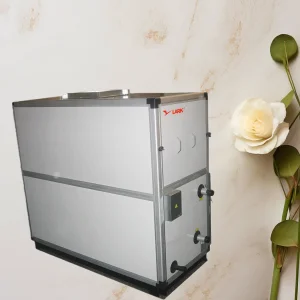
By implementing advanced automated production lines, OEM exporters guarantee millimeter-level precision. This precision eliminates gaps, reduces thermal bridging, and ensures that when components arrive on site, assembly is seamless. Integrating high-performance HVAC systems, such as direct-expansion (DX) and chilled-water air handling units (FAHU/AHU), ensures proper ventilation and air purification—a critical factor for low-volume living spaces like tiny homes and luxury capsule modules.
Verified manufacturer profile showing the evolutionary trajectory from light steel fabrication to globally certified modular architecture.
Dongguan Estable Living Co., Ltd. is a dynamic and innovation-driven manufacturer specializing in foldable housing and modular building solutions. Positioned as a Foldable House Manufacturer | Collapsible Modular Building Supplier | Rapid Deployment Housing Solutions provider, the company delivers efficient, portable, and cost-effective structures for global clients in construction, emergency response, mining camps, and temporary accommodation sectors.
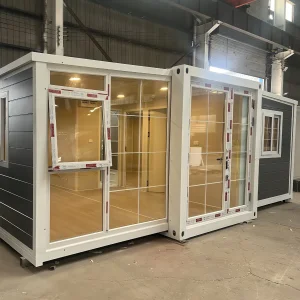
Founded in 2012 in Dongguan, China, Estable Living began as a small-scale metal structure workshop focused on light steel fabrication. By 2015, the company expanded into prefabricated housing systems, recognizing the growing global demand for fast-installation and relocatable buildings. In 2018, Estable introduced its first generation of foldable container houses, significantly reducing installation time and transportation costs.
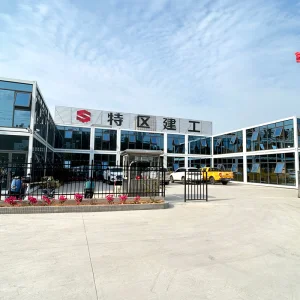
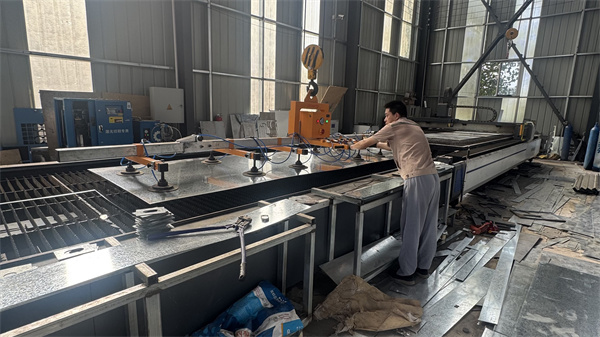
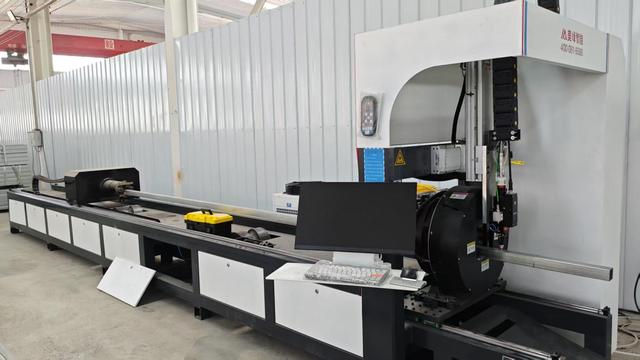
Driven by continuous R&D, the company upgraded its product line in 2021 to include advanced collapsible modular buildings with improved insulation, durability, and customizable layouts. Today, Estable Living operates modern production facilities equipped with automated cutting, welding, and assembly lines, ensuring consistent quality and scalable output.
With a strong commitment to innovation, sustainability, and customer-oriented design, Dongguan Estable Living Co., Ltd. has established long-term partnerships across Asia, the Middle East, Africa, and South America. The company continues to lead in rapid deployment housing solutions, offering reliable, flexible, and future-ready modular living spaces for a wide range of applications.
Why leading global developers and governments partner with Chinese OEM exporters for housing infrastructure.
Chinese factories leverage highly integrated local steel, composite panel, and electronics clusters. This proximity reduces material transport costs and enables scale-based pricing that on-site western builders cannot match, achieving a 30-50% reduction in total build cost.
From custom chassis designs to custom insulation types (EPS, Rockwool, PU), the factory works as an extension of your design team. Our engineers convert local layout preferences into precise CAD models designed for high-efficiency robotic fabrication.
Shipping is the single largest cost variable in modular exporting. Chinese factories have perfected flat-pack and collapsible engineering, enabling up to 4 complete units to fit inside a single standard 40ft HQ container, reducing ocean freight costs dramatically.
Under the hood of modern, structural engineering and smart home components manufactured for long-term sustainability.
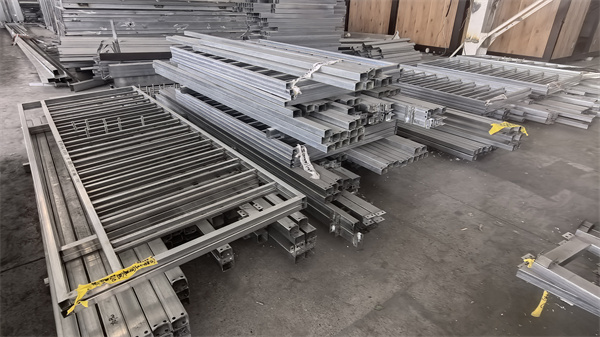
Treated with hot-dip galvanization (≥275g/㎡) to prevent oxidation, ensuring a structural lifespan exceeding 50 years even in harsh marine or humid climates.
Double-layer composite wall panels with PU/polyurethane foaming cores providing thermal conductivity values as low as 0.022 W/m·K for optimal energy efficiency.
Pre-wired smart hubs, integrating custom IoT lighting controls, security modules, and automated energy monitors designed for off-grid operations.
Advanced DX-type fresh air recovery modules keeping relative humidity stable and maintaining indoor air quality at premium standards.
Bridging the gap between industrial capabilities and regional consumer demands across global sectors.
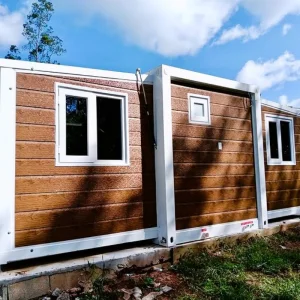
In high-density zones like North America (California, Washington) and Australia, local zoning laws have been revised to fast-track ADUs. Our modular designs fit seamlessly into compact suburban yards as granny flats or student housing. The flat-pack structure allows contractors to carry panels through standard side gates, completely bypassing the need for large, expensive crane rentals in tight spaces.
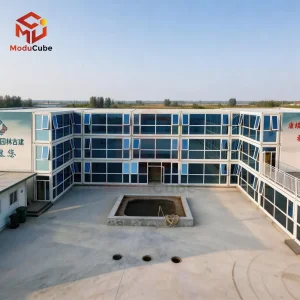
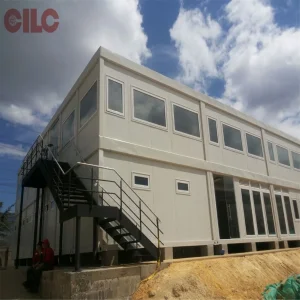
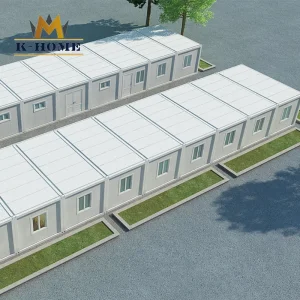
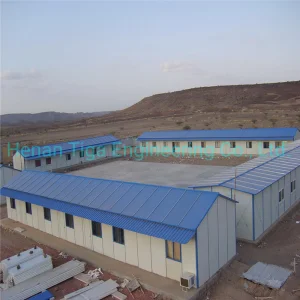
For large-scale mineral, oil, and gas extraction projects, housing hundreds of workers in extreme climates requires high structural durability and speed of installation. Our collapsible building blocks can be deployed in remote regions in days, providing thermal comfort, acoustic insulation, and full sanitary compliance.
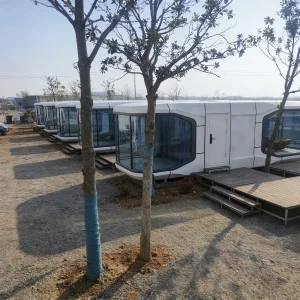
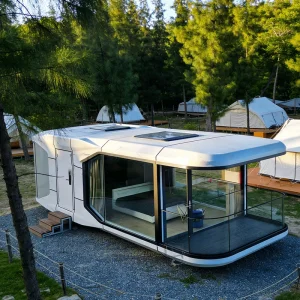
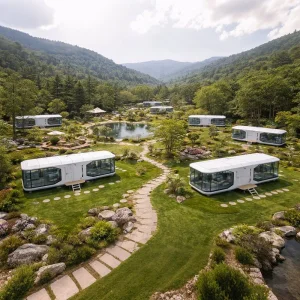
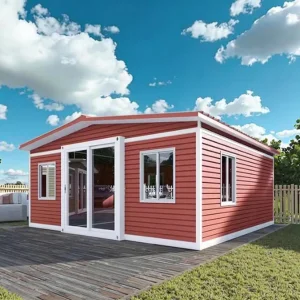
The rise of experiential hospitality demands visually striking, low-impact tourist structures. Our smart capsule homes feature panoramic structural glazing, integrated smart home technology, and minimal foundation footprint requirements. These pre-plumbed and pre-wired units function as plug-and-play luxury hotel rooms in national parks, ski resorts, and beachfront retreats.
When natural disasters hit, speed and density of shipping save lives. We design custom emergency modules with integrated solar collectors and water storage. One flatbed truck can carry multiple collapsed modular shelters, which are easily erected on site with basic hand tools in under 15 minutes per unit.
Understanding the step-by-step process of placing a custom OEM/ODM order with a Chinese exporter.
The B2B client provides site-specific requirements: wind zone variables, snow load requirements, local electrical grid voltage (110V vs 220V), plumbing connection configurations, and compliance rules (e.g. Title 24, CE, or local standards). Our engineers deliver preliminary CAD files, static calculations, and BOM lists.
For large-scale projects, a sample room is constructed. We perform rigorous mechanical tests, including seal checks, hydraulic pressure tests on plumbing, load-bearing tests on the roof structure, and insulation efficiency evaluations to verify thermal consistency.
Utilizing advanced CNC cutters and automated manufacturing, components are fabricated with consistent precision. Quality checks occur at every stage: steel weld integrity (ultrasonic testing), anti-corrosion coating thickness, and modular assembly clearances.
Units are systematically packed to maximize container utilization. All sensitive components (smart glass, electronics, sanitary fixtures) are heavily padded. We coordinate international freight logistics, custom clearances, and supply comprehensive on-site assembly guides or video tutorials.
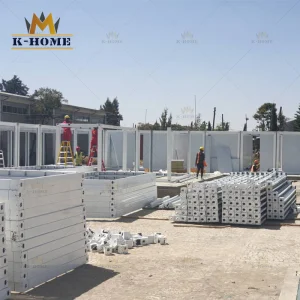
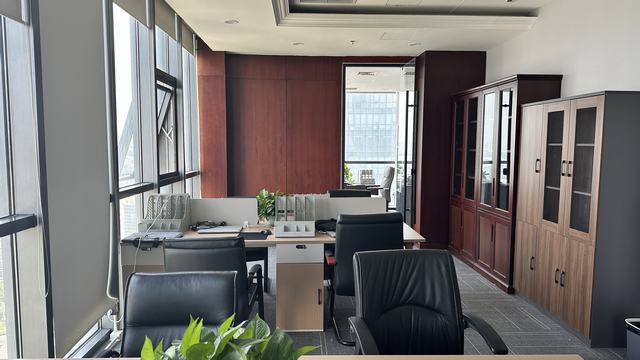
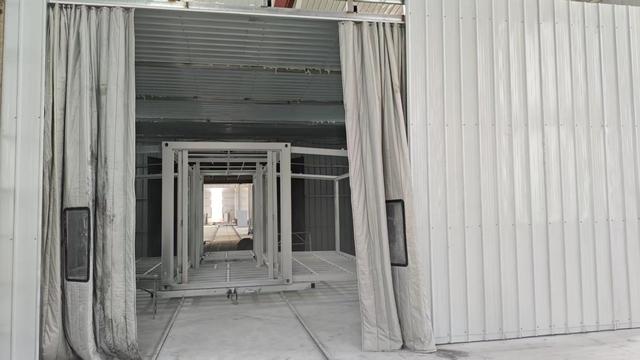
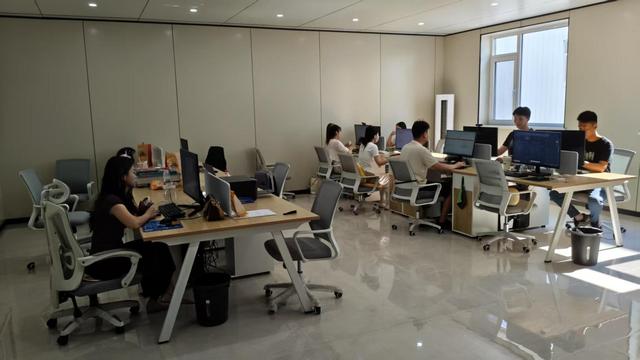
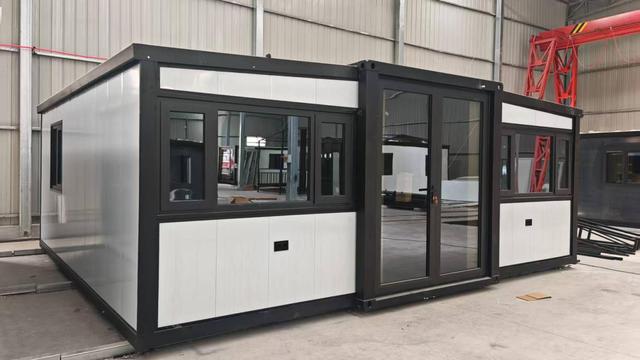
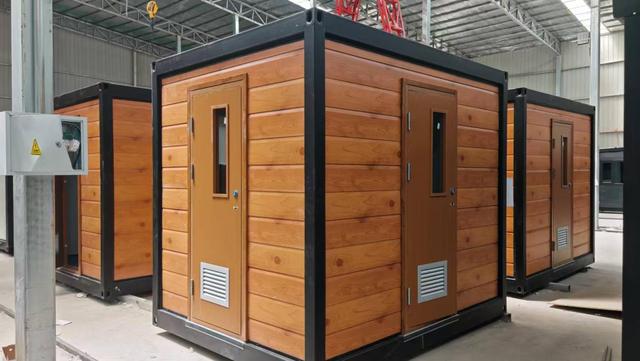
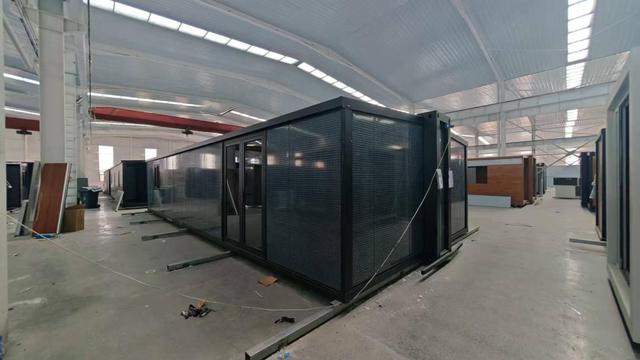
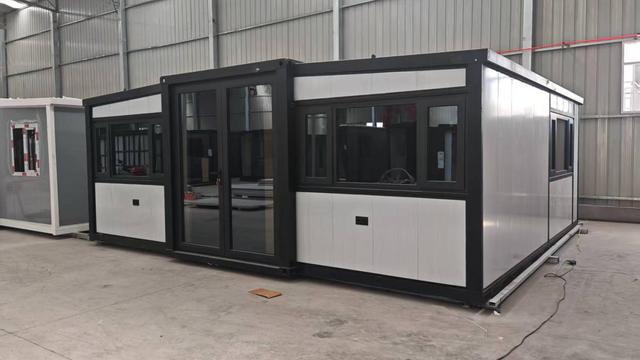
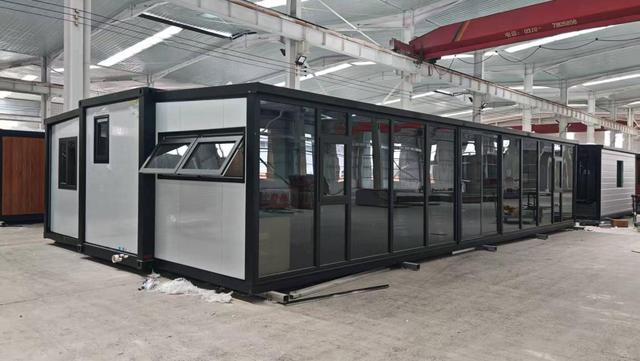
Direct visual proof of our fabrication standard, assembly trials, structural materials, and successfully exported structures.
Technical responses concerning custom design, shipping, structural durability, and B2B ordering procedures.
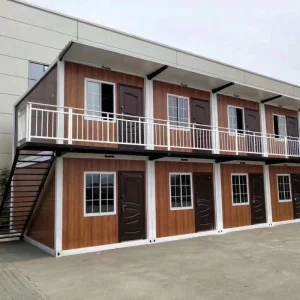
Discover our rugged modular accommodations, quick-assembly work site structures, and dedicated containment units engineered for challenging environments.
 Estable Living