Explore our premium structural configurations designed for rapid installation, maximum insulation, and structural stability across extreme environments.
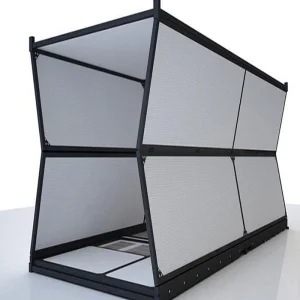
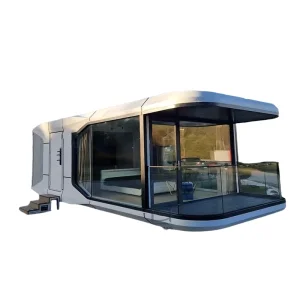
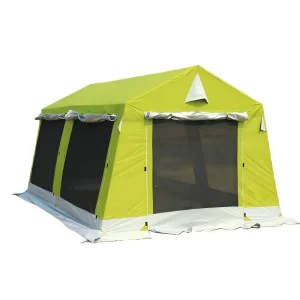
Analyzing the architectural shifts from traditional brick-and-mortar structures to responsive modular platforms.
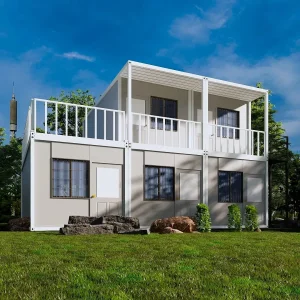
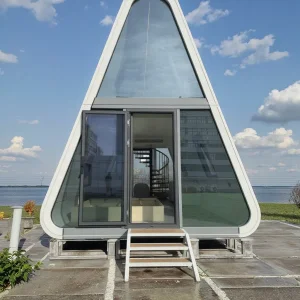
As metropolitan zones face soaring land values and acute space deficits, drop-in space capsule modules and stackable flat-packs offer high-density residential solutions. These systems integrate within existing urban footprints, reducing initial site investment costs by up to 40%.
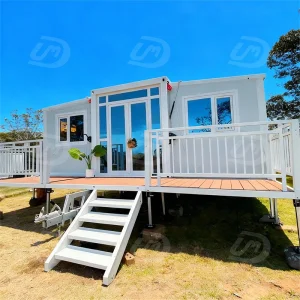
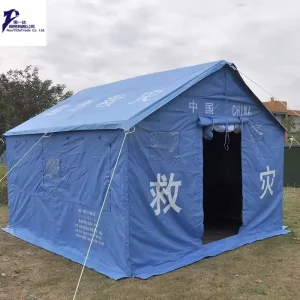
Natural catastrophes demand rapid, reliable, waterproof, and heavy-duty shelter deployments. Utilizing automated Z-fold and collapsible container houses enables immediate staging, keeping communities protected with high-insulation structural walls within hours of delivery.
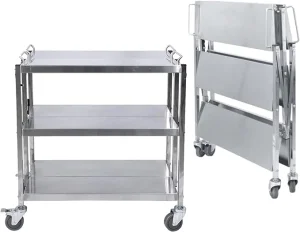
For resource extraction industries, including oil, gas, and mining, constructing temporary base camps has historically incurred significant logistical waste. Reusable, modular site offices and detachable living containers simplify logistics and lower long-term deployment costs.
A pioneering force in foldable housing and modular building solutions.
Founded in 2012 in Dongguan, China, Estable Living began as a specialized metal structure workshop focusing on light steel fabrication. Recognizing the global market shift toward rapid-deployment, high-efficiency relocatable structures, the company made a strategic shift into modular engineering. By 2015, we successfully expanded into prefabricated housing systems, servicing the growing international demand for ready-to-use temporary accommodation.
In 2018, we introduced our proprietary first-generation foldable container houses, which dramatically optimized ocean shipping logistics and lowered onsite assembly times. Continuous research and development led to a complete upgrade of our portfolio in 2021, showcasing advanced collapsible modular buildings featuring superior thermal insulation, robust seismic resilience, and highly flexible architectural configurations.
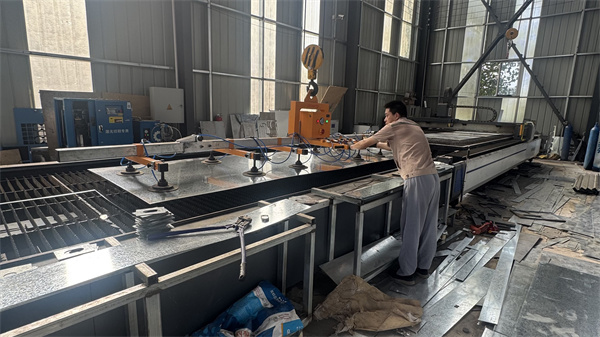
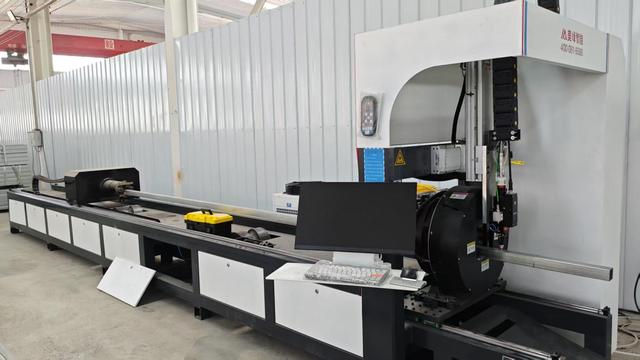
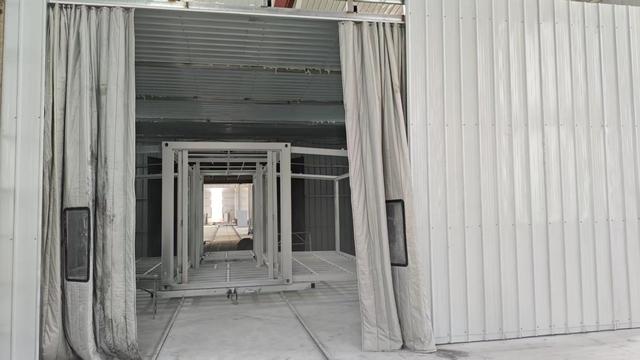
Today, Dongguan Estable Living Co., Ltd. operates a highly automated, state-of-the-art factory equipped with computerized laser cutters, automated welding stations, and precision quality-assurance assembly lines. This ensures consistent tolerances, structural safety, and scalable output to support major projects worldwide.
"Providing robust, reliable, and rapid physical infrastructure solutions for the world's most challenging environments."
How we leverage advanced industrial manufacturing and localized supply lines to guarantee short lead times and robust quality.
By using robotic welding arms and high-precision CNC laser cutters, our factory eliminates human error during metal framework fabrication. This ensures that every fold, Z-hinge, and modular lock aligns perfectly for fast onsite deployment.
Located in the heart of Dongguan, China’s manufacturing hub, our factory enjoys direct access to premium-grade hot-dip galvanized steel sheet producers and high-density polyurethane insulation suppliers. This location lowers raw-material transit times and shields our clients from volatile pricing spikes.
Every structural frame undergoes structural load simulations and systematic water-spraying tests to guarantee 100% waterproof sealing. From wall panels to localized Z-fold components, all elements are vetted prior to flat-pack container loading.
Review the comprehensive engineered features that differentiate our products from standard prefabricated containers.
| Structural Parameter | Z-Fold / Foldable Container Cabin | Flat-Pack Modular Office | Space Capsule Unit |
|---|---|---|---|
| Frame Materials | Q235 Hot-Dip Galvanized Steel (2.5mm - 3.0mm profile) | Cold-Rolled Galvanized Steel Channel (3.0mm thickness) | Aviation-Grade Aluminum Outer Alloy & Steel Chassis |
| Insulation Systems | 50mm/75mm Rockwool or EPS Sandwich Panels | 75mm Glasswool / PU Foamed Sandwich Board | Double-Layer Polyurethane Foam Layer (R-value ≥ 20) |
| Wind Load Rating | Up to Class 10 (90 - 110 km/h wind velocity resistance) | Up to Class 11 (110 - 120 km/h wind velocity resistance) | Up to Class 12 (120 - 135 km/h wind velocity resistance) |
| Seismic Resistance | Grade 8 Earthquake Intensity | Grade 8 Earthquake Intensity | Grade 9 Earthquake Intensity |
| Waterproof / Drainage | External eave gutter channels and continuous rubber seals | Internal four-corner drainpipes routed through pillars | Seamless shell with integrated diversion channel system |
| Logistics Footprint | Z-folds flat to 350-450mm height. 10 units fit in one 40HC | Flat-pack module height 648mm. 4 units fit in one 20GP | Pre-assembled unit. Requires dedicated flatbed trailer shipping |
How we align with standard operational protocols for EPC contractors, governmental agencies, and commercial developers.
Freight costs can make or break a project budget. Our Z-fold design packs up to 10 container units into a single 40HC container, cutting ocean freight costs by up to 75% compared to pre-assembled modular houses.
All plumbing lines, electrical conduits, pre-wired switches, and sockets conform strictly to AS/NZS, UL, CE, and SASO standards. This guarantees trouble-free local compliance checks right out of the box.
Unlike cheap alternative designs, our heavy-duty hot-dip galvanized profiles are coated with anti-corrosive powder. This protects the structures against rust for over 20 years, even in high-humidity coastal zones.
We recognize that different regions have specific regulations for wind loads, snow loads, and thermal properties. Our design team adapts structure heights, wall thicknesses, and window ratings to meet local regulations like the IBC (International Building Code), Eurocode 3, or AS1170.
Location: Middle East Desert Region
The Challenge: Delivering modular housing units for 1,200 staff in an environment with summer temperatures topping 50°C and frequent sandstorms.
The Solution: 75mm Polyurethane insulation panels paired with double-glazed, reflective aluminum windows, built on heavy Z-fold structures. Pre-wired systems meant units were operational within 7 days of arriving on site.
Result: On-site assembly labor reduced by 85% compared to traditional on-site frame construction.
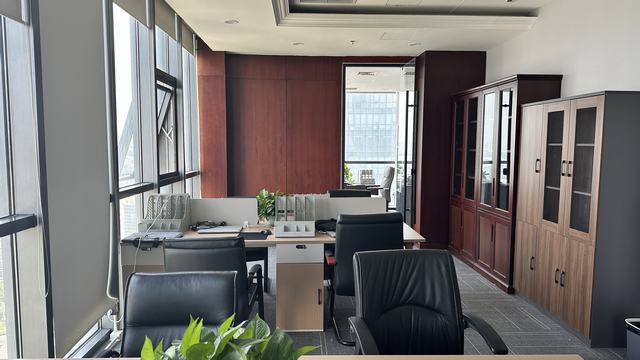
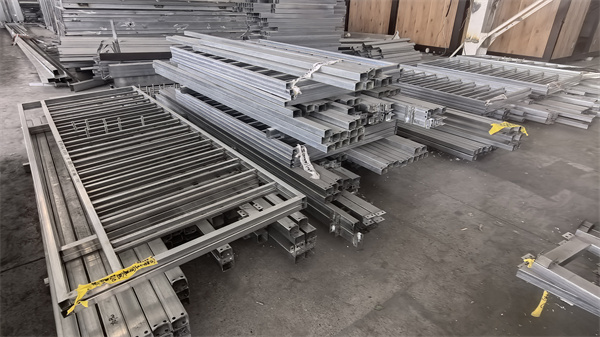
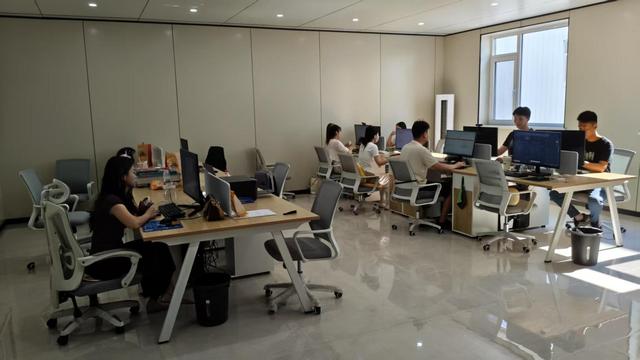
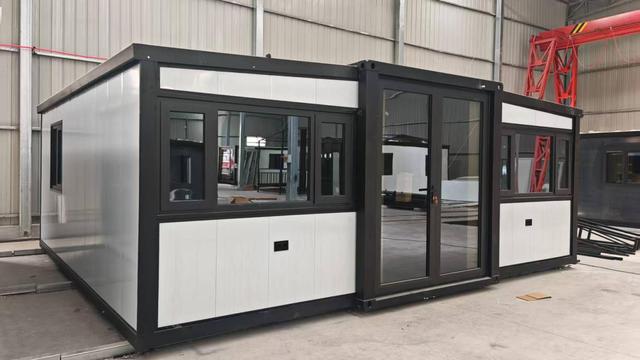
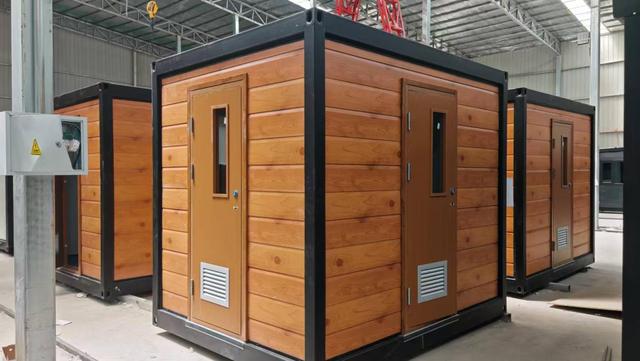
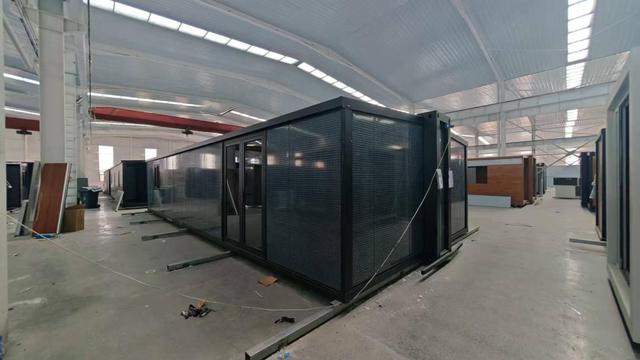
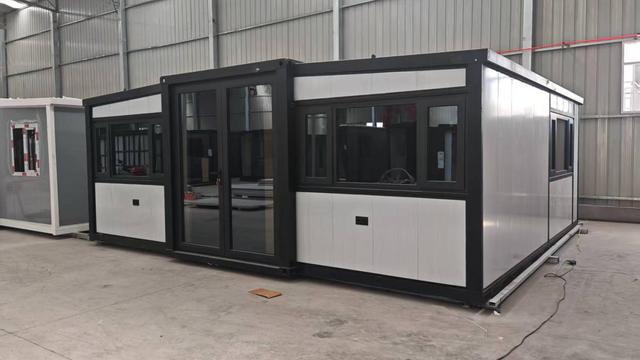
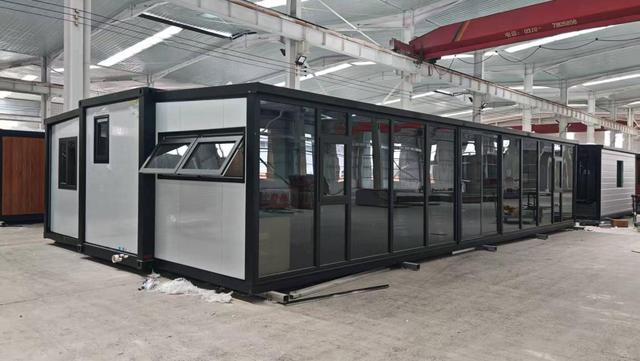
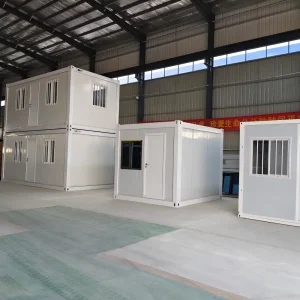
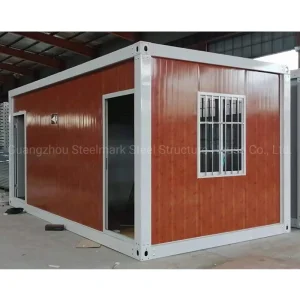
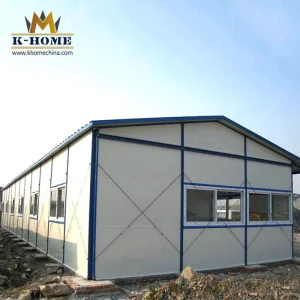
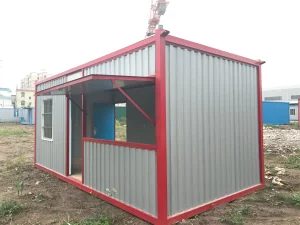
A closer look at our high-capacity production lines, assembly operations, and finished units before shipment.
Get answers to critical design, installation, and procurement questions from our lead engineering specialists.
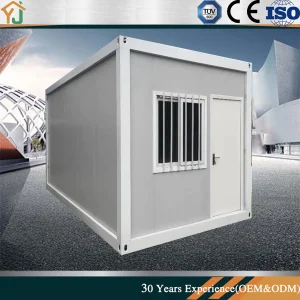
On average, a team of two skilled installers can fully erect and seal a standard 20ft foldable or Z-fold container cabin in less than 15 minutes. Heavy lifting equipment, such as a mobile crane or forklift, is required to lift the roof section while the walls swing outward into place.
Because our cabins feature a rigid, self-supporting steel floor frame, they do not require deep foundation excavations. A flat ground surface with concrete blocks or helical screw piles placed under the main support points is sufficient. This reduces setup costs and environmental impact.
All folding seams are sealed with industrial EPDM weatherstripping that compresses tightly under lock pressure. Additionally, the roof profile has integrated gutter channels that drain rain run-off down through corner channels, preventing water from pooling on top.
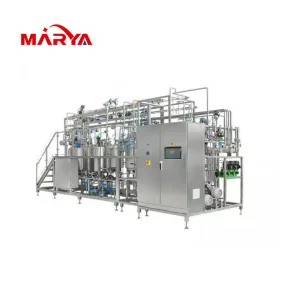
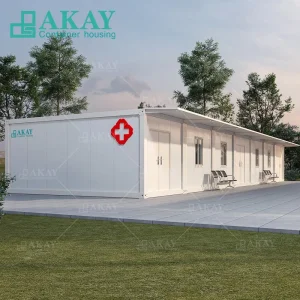
Yes. For medical or cleanroom needs, we design units with sanitary interior steel sheets (such as our Marya Sanitary Stainless Steel Unit configurations). For commercial use, we can open up walls to create wide open layouts, install glass curtain walls, or customize internal partitions.
Our ongoing research initiatives address sustainability, smart automation, and lightweight materials.
We are engineering roofing structures with built-in solar capture systems and battery storage blocks. This allows Z-fold offices to run fully off the grid in remote regions, providing power independently.
As part of our commitment to sustainability, we are testing lightweight bio-based polyurethanes. These materials offer the same thermal insulation as standard panels but reduce the overall carbon footprint of production by 35%.
Next-gen modules will feature embedded humidity and temperature sensors inside the sandwich panels. These sensors monitor structural integrity, giving real-time feedback on wall conditions to ensure long-term durability.
Select the ideal structural specifications tailored to your regional deployment requirements.
 Estable Living