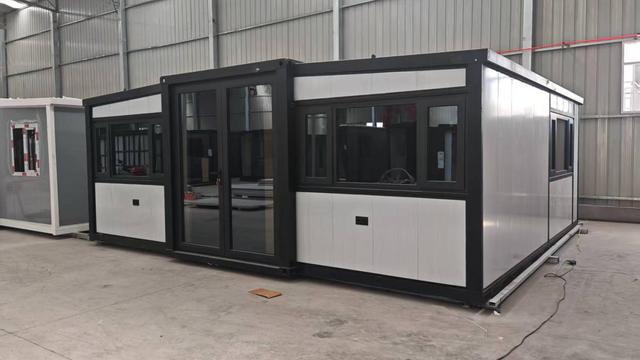
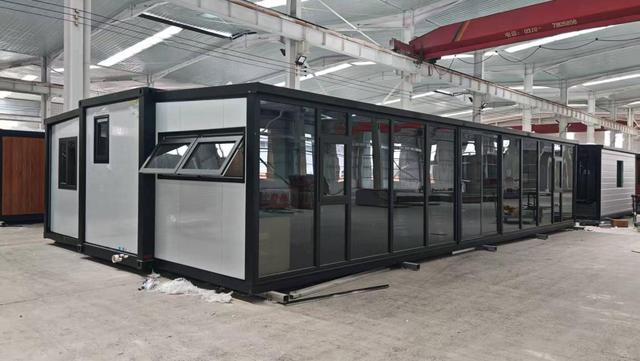
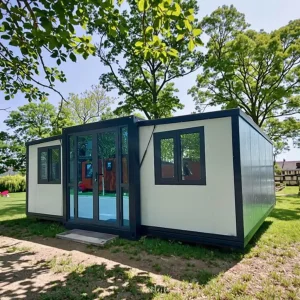
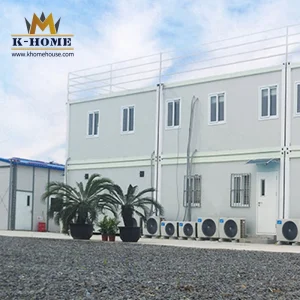
Engineered specifically for heavy marine environments, featuring advanced structural protection and rapid-folding mechanisms.
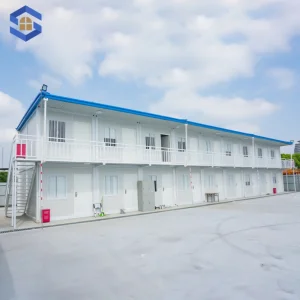
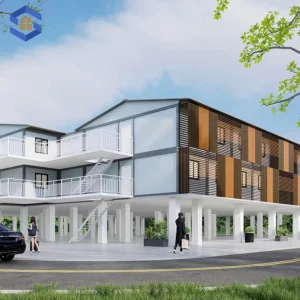
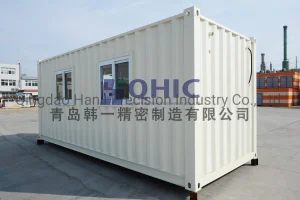
The Republic of Kiribati, comprising 33 low-lying atolls and reef islands scattered across 3.5 million square kilometers of the central Pacific Ocean, presents one of the most demanding environmental and logistical landscapes globally. Rising sea levels, high soil salinity, persistent humidity, and extreme exposure to salt spray mean traditional building materials degrade rapidly. Concrete structures face aggressive carbonation, while non-treated steel frames corrode within months.
Consequently, there is a vital need for flexible, weather-resilient, and instantly deployable work spaces. Mobile prefabricated offices provide Kiribati's government, public utilities, maritime sectors, and non-governmental aid programs with modular building options that bypass the complications of local material deficits and long on-site build times. Using pre-assembled, modular containers fabricated to withstand coastal conditions allows projects in Tarawa, Christmas Island (Kiritimati), and outer islands to establish immediate operational centers.
“As sea-level adaptation and marine infrastructure projects scale up across the South Pacific, the demand for relocatable structures that require zero permanent foundation and feature structural longevity has transitioned from a convenience to a necessity.”
Kiribati's economy is highly reliant on fisheries, public administration, and international development aid. Projects such as runway upgrades, seaport expansions, water sanitation plants, and climate monitoring facilities are frequently situated in remote atolls where traditional construction is unfeasible. Modular building systems serve as critical operational infrastructure. Since these offices can be relocated via small cargo vessels between islands, they offer a highly reusable asset with a long working life, optimizing the financial return on capital expenditure (CAPEX).
Our structures feature marine-grade protective coatings designed to resist high salinity, intense UV radiation, and heavy rainfall typical of the Pacific region.
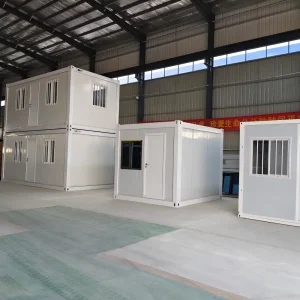
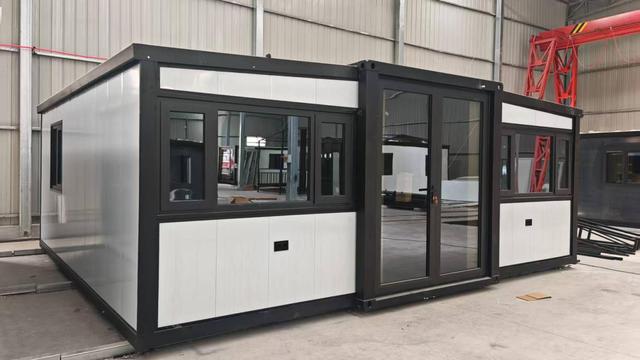
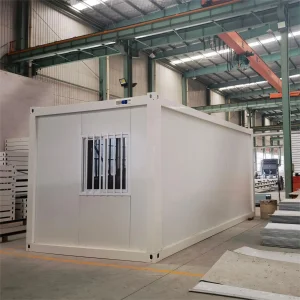
Foldable and flat-pack configurations compress transit volume by up to 75%, lowering break-bulk shipping costs across the Pacific.
Ready to install in hours. Minimal tooling required, enabling local installation teams to erect buildings quickly without specialized equipment.
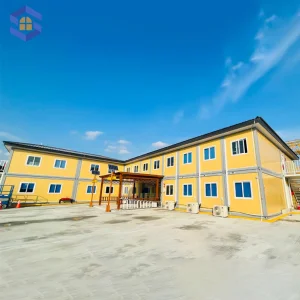
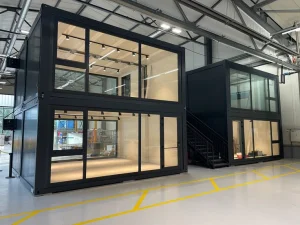
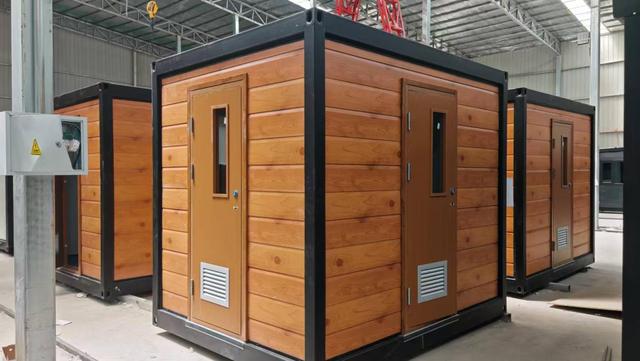
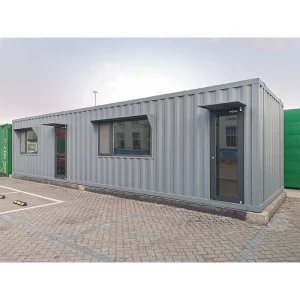
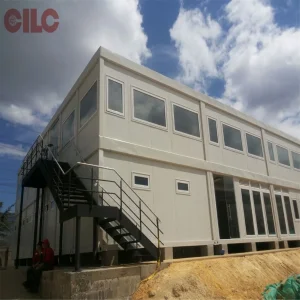
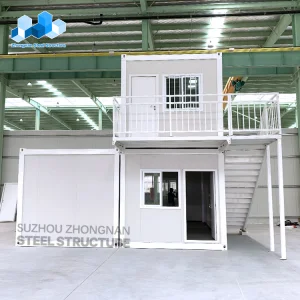
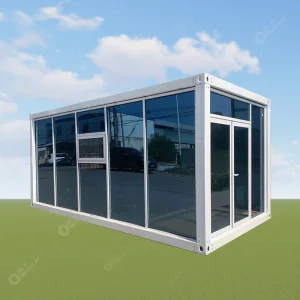
Tailored spatial designs including toilet complexes, living quarters, and heavy-duty administration containers.
Dongguan Estable Living Co., Ltd. is a dynamic and innovation-driven manufacturer specializing in foldable housing and modular building solutions. Positioned as a Foldable House Manufacturer | Collapsible Modular Building Supplier | Rapid Deployment Housing Solutions provider, the company delivers efficient, portable, and cost-effective structures for global clients in construction, emergency response, mining camps, and temporary accommodation sectors.
Founded in 2012 in Dongguan, China, Estable Living began as a small-scale metal structure workshop focused on light steel fabrication. By 2015, the company expanded into prefabricated housing systems, recognizing the growing global demand for fast-installation and relocatable buildings. In 2018, Estable introduced its first generation of foldable container houses, significantly reducing installation time and transportation costs.
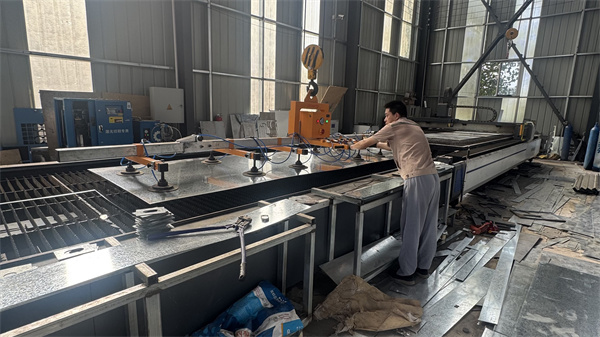
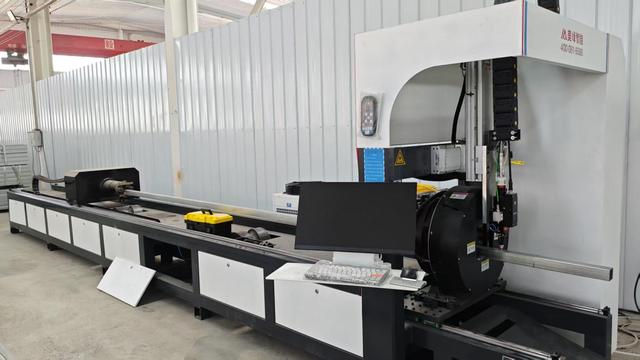
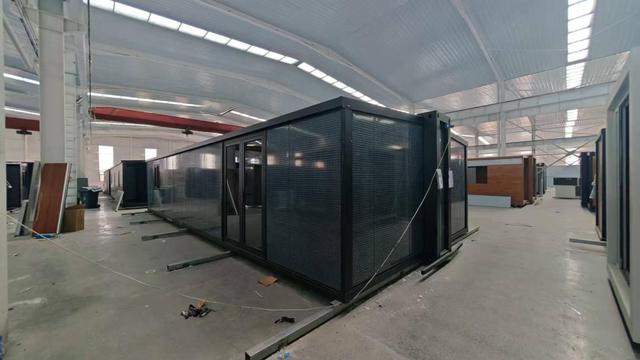
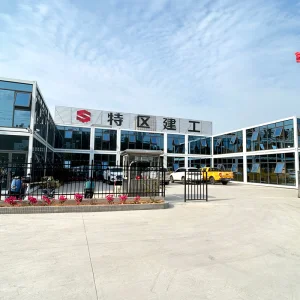
Driven by continuous R&D, the company upgraded its product line in 2021 to include advanced collapsible modular buildings with improved insulation, durability, and customizable layouts. Today, Estable Living operates modern production facilities equipped with automated cutting, welding, and assembly lines, ensuring consistent quality and scalable output.
With a strong commitment to innovation, sustainability, and customer-oriented design, Dongguan Estable Living Co., Ltd. has established long-term partnerships across Asia, the Middle East, Africa, and South America. The company continues to lead in rapid deployment housing solutions, offering reliable, flexible, and future-ready modular living spaces for a wide range of applications.
To meet the strict environmental guidelines of modern international donors (e.g., ADB, World Bank) and local governments, modular buildings must incorporate eco-friendly practices. Estable Living is continually refining its technical processes to reduce carbon footprints and ensure high performance over decades of use.
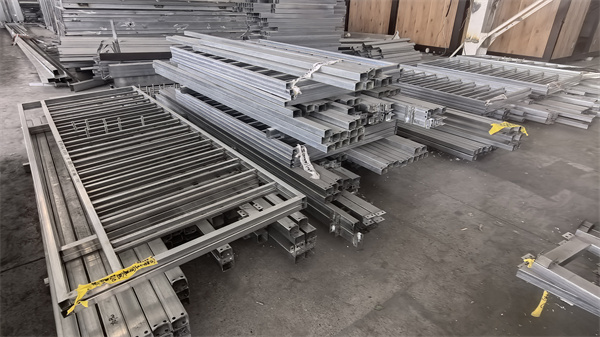
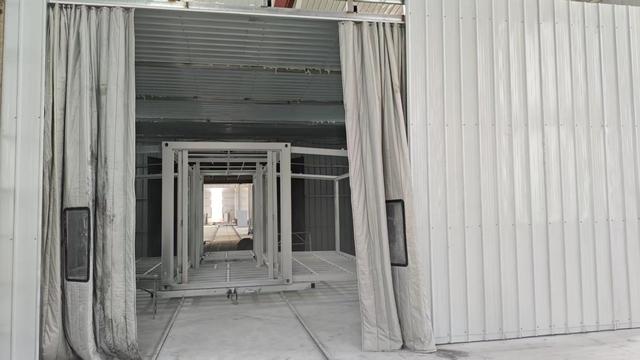
Marine-grade structural integrity relies on protective coatings. Standard structural frames are hot-dip galvanized with zinc coating weights exceeding 275 g/m². Following welding, frames undergo sandblasting before a two-part marine epoxy paint system is applied. This achieves a coating thickness of 120+ microns, preventing salt crusts from penetrating the underlying alloy.
Located on the equator, Kiribati experiences consistent solar radiation. Traditional uninsulated steel structures become dangerously hot inside. We utilize high-density polyurethane (PU) or rockwool sandwich wall panels with fire-resistant facers. These systems limit heat transfer, reducing internal AC power loads by up to 40% compared to standard field-welded containers.
With clean municipal water and utility grids limited in outer islands, our future-ready mobile offices can be equipped with rain-catchment roofing channels and pre-wired rooftop solar PV brackets. This allows individual offices to act as off-grid hubs, collecting solar power and storing rainwater for basic site operations.
Shipping logistics to the Port of Betio (Tarawa) require careful planning. Port handling capabilities are limited, and cargo ships run on long cycles. Flat-packed and foldable units reduce shipping volume. A single 40ft High Cube container can hold up to 4 packed units, saving on ocean freight costs and helping to minimize port congestion upon arrival.
Our engineering team ensures structural designs meet international wind load and earthquake standards, alongside the Kiribati National Building Code framework. Designs account for wind speeds up to 180 km/h (equivalent to Category 3 cyclones), offering peace of mind during seasonal weather systems.
When units land in Tarawa or are transshipped to Christmas Island, setup requires minimal site preparation. Concrete strip foundations or pre-cast concrete blocks keep the structures off the ground, protecting the base from high tides and heavy rain. No heavy cranes are needed; a standard forklift or basic winch system is sufficient for assembly.
Technical questions answered directly by our modular engineering team.
Select from our standard designs. Fully customizable to meet local project specifications and logistical requirements.
 Estable Living