Explore our leading range of precision-engineered collapsible cabins, modular container offices, and specialized high-durability wet units.
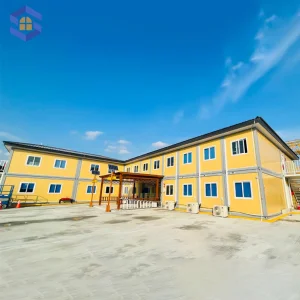
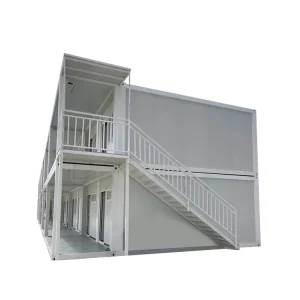
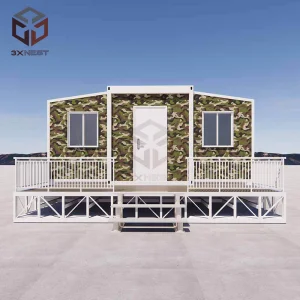
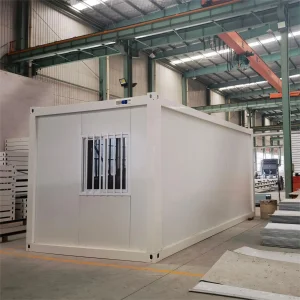
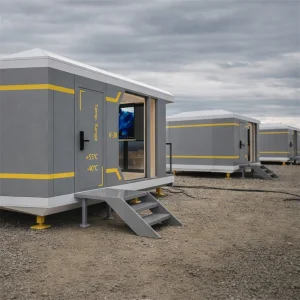
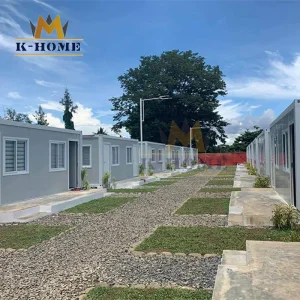
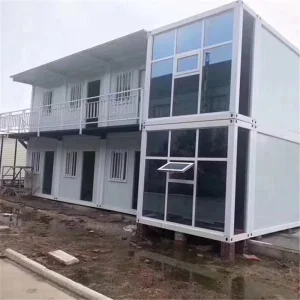
Analysis of global structural shifts, technical innovations, and the manufacturing framework powering modern relocatable structures.
The global construction landscape is experiencing a paradigm shift towards off-site manufacturing and rapid modular deployment. Modern mobile living solutions are no longer viewed as mere temporary fixes; they are highly engineered, sustainable, and permanent-grade structures designed to meet long-term infrastructural requirements. Driven by advancements in metallurgy, thermal barrier technology, and design automation, modern modular buildings now offer mechanical properties and thermal efficiency comparable—or even superior—to traditional site-built masonry structures.
Key indicators pointing to the rapid adoption of modular housing include escalating urban density, the rising cost of traditional construction labor, and the critical need for low-carbon building solutions. By shifting 90% of the fabrication process into a controlled factory environment, enterprises can achieve significant time savings, minimize construction waste by up to 120%, and ensure a level of structural consistency that field construction cannot replicate.
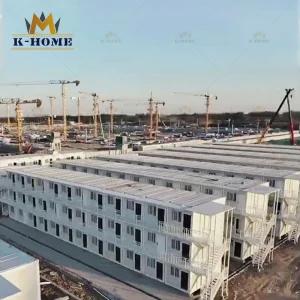
Enterprise-level procurement of mobile housing spans multiple demanding sectors including mining camp management, infrastructure engineering, emergency response logistics, and luxury hospitality developments. The criteria for global buyers have expanded beyond initial cost-per-square-meter figures to look at the total life-cycle cost (TCO) and logistical feasibility. In high-stakes operations, such as deep-interior oil and gas exploration or military logistics, the speed of deployment is directly proportional to operational profitability and safety.
"Global sourcing directors are prioritizing logistical efficiency. A collapsible building that packs flat and allows four units to ship inside a standard high-cube shipping container reduces freight costs by up to 75% compared to non-collapsible modular shipments."
Furthermore, ESG (Environmental, Social, and Governance) directives now play an integral role in procurement policies. Modular buildings manufactured from recyclable steel, insulated with non-hazardous polyurethane (PU) or rock wool, and built with low volatile organic compound (VOC) interior finishes are vital for multinational companies seeking compliance with local environmental regulations.
China's industrial capabilities in advanced manufacturing have made it the global epicenter for modular structures. By integrating automated robotic welding, high-precision laser cutting, and computerized quality control, companies like Dongguan Estable Living Co., Ltd. achieve unprecedented manufacturing scales and tolerances. Located in the manufacturing hub of Dongguan, the company leverages local supply chain ecosystems, securing structural steel, advanced sandwich panels, and precision marine-grade sanitary components with zero logistics bottlenecks.
The manufacturing process at Estable Living reflects this evolution. Having transitioned from a light steel workshop in 2012 to a fully automated manufacturing powerhouse today, the factory maintains strict dimensional tolerances down to ±1mm. This degree of accuracy is critical for ensuring that foldable and collapsible units align perfectly during rapid manual deployment, eliminating the need for on-site corrective fabrication.
Dongguan Estable Living Co., Ltd. is a dynamic and innovation-driven manufacturer specializing in foldable housing and modular building solutions. Positioned as a Foldable House Manufacturer | Collapsible Modular Building Supplier | Rapid Deployment Housing Solutions provider, the company delivers efficient, portable, and cost-effective structures for global clients in construction, emergency response, mining camps, and temporary accommodation sectors.
By constantly investing in material R&D and automated plant technologies, Estable Living ensures that every unit dispatched from our facilities conforms to international safety, thermal, and wind-load performance guidelines.
Our Core Mission: Delivering structurally superior, rapidly deployable living systems that perform in the most demanding environmental conditions on earth.
Founded in Dongguan, China, starting as a small-scale metal structure workshop focused on light steel fabrication and machining.
Recognized the global demand shift toward speed-build infrastructure. Built first factory production lines for modular housing systems.
Developed and patented our first-generation foldable container houses, drastically cutting installation time and container transit volume.
Upgraded the full portfolio to advanced collapsible modular structures featuring enhanced thermal breaks, fire ratings, and customizable floor layouts.
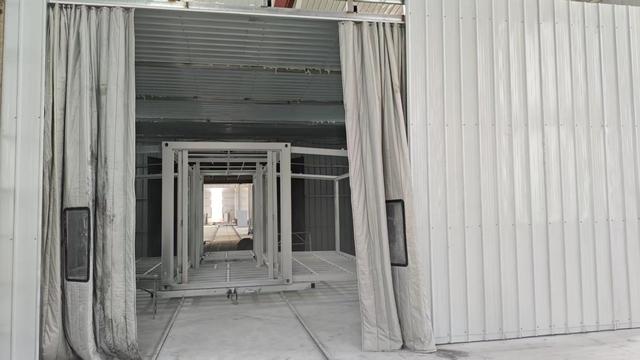
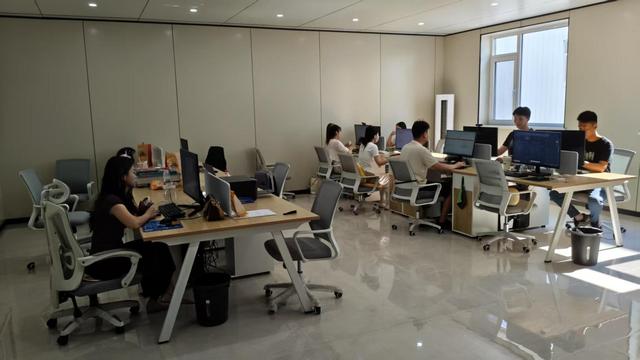
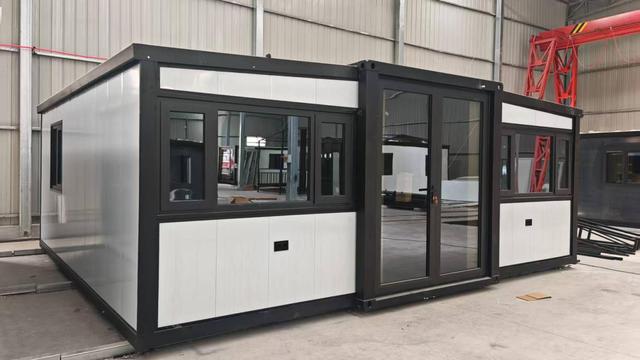
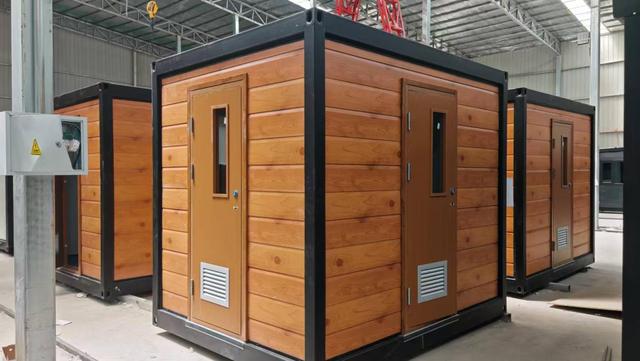
A visual walk-through of our production capacity, advanced fabrication tooling, assembly lines, and global shipping preparations.
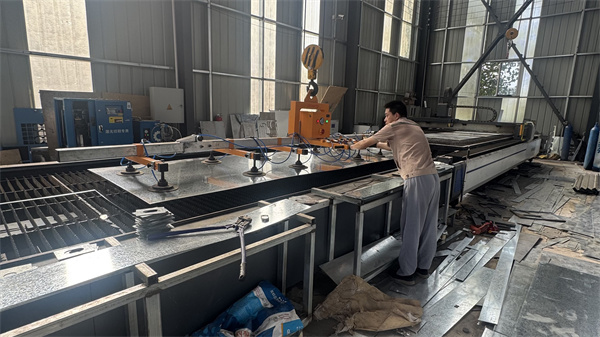
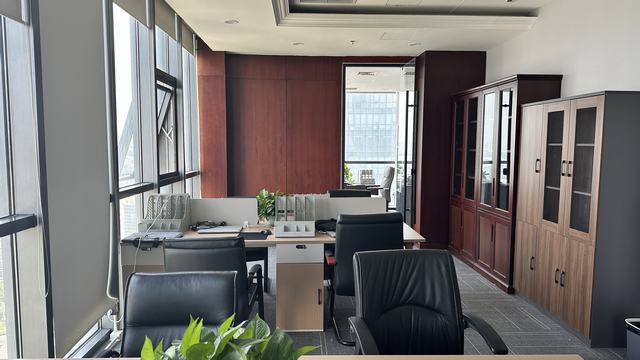
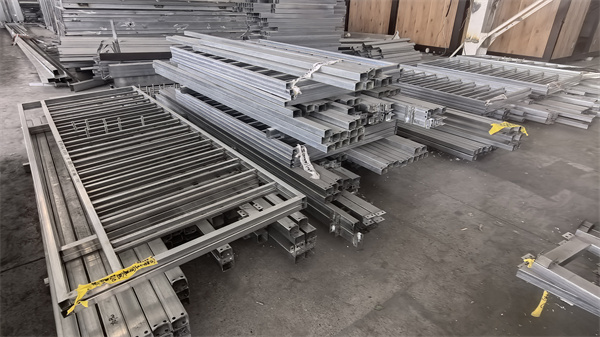
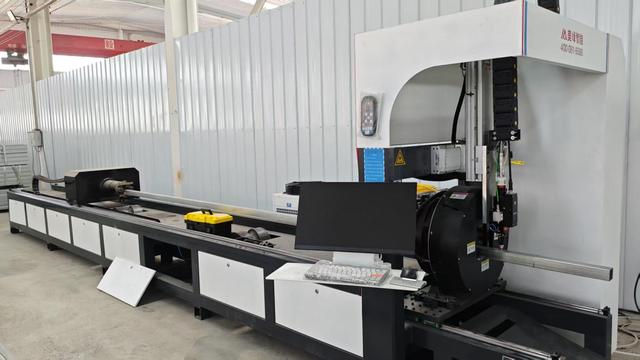
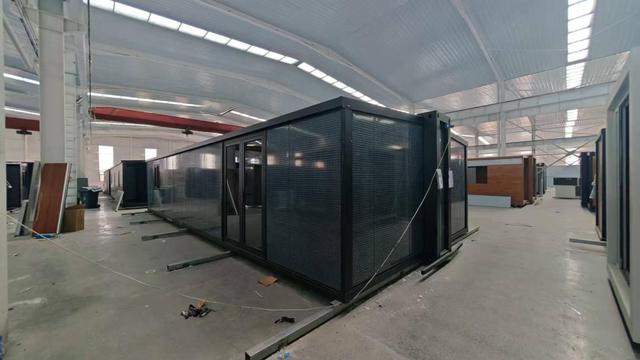
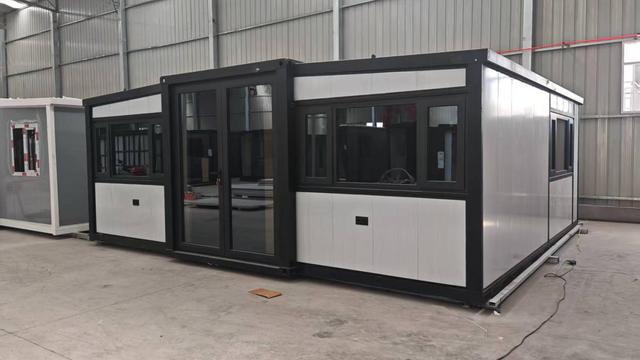
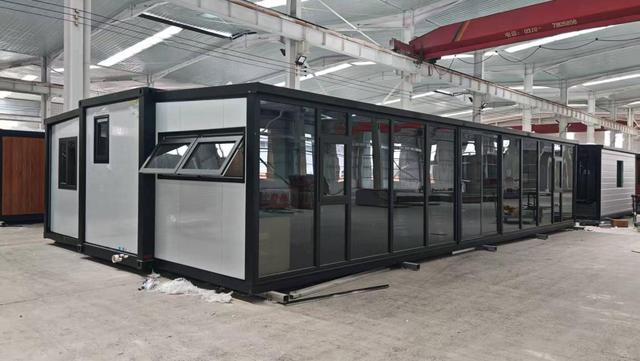
Review the raw engineering standards that define the structural lifespan and safety of our housing solutions.
| Structural Parameter | Specification Details | Compliance Standards |
|---|---|---|
| Main Frame Material | Q235B/Q345B Hot-Dip Galvanized Structural Steel, thickness: 2.5mm - 4.0mm | GB/T 700-2006, ASTM A36 |
| Wall Insulation | 50mm/75mm/100mm Rock Wool / Polyurethane (PU) Sandwich Panels (Density: 120kg/m³ - 40kg/m³) | EN 13501-1 (Class A1 Non-combustible) |
| Wind Resistance | Designed to withstand Wind Pressures up to 120 km/h (Typhoon Grade 11-12) | ASCE 7-10, Eurocode 1 |
| Seismic Acceleration | Fortified for Zone 8 Seismic activity (Acceleration coefficient: 0.2g - 0.3g) | GB 50011-2010 |
| Roof Load Capacity | Snow/Live load tolerance of 1.5 kN/m² with integrated hidden rain drainage channels | ISO 8903-1 |
| Internal Flooring | 18mm Fiber Cement Board + 2.0mm Heavy-Duty Wear-Resistant Vinyl sheet finish | EN 14041, ASTM F1303 |
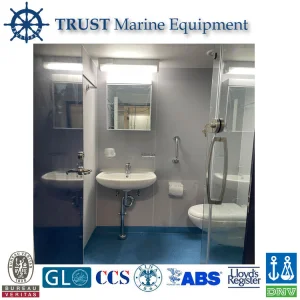
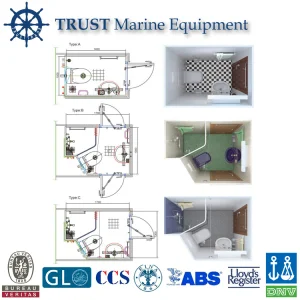
From the arid, high-temperature oilfields of the Middle East to the humid, saline marine environments of coastal Southeast Asia, mobile accommodations must be designed with microclimate-specific adaptations in mind. For example, standard prefabricated office components deployed in marine environments require C4-class anti-corrosion paint coatings and marine wet units (restroom cabins) manufactured using stainless steel grade 316 fittings to prevent localized corrosion.
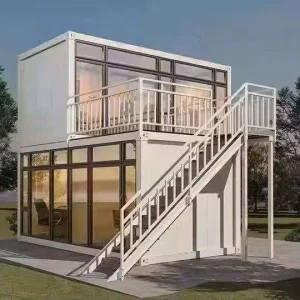
In eco-tourism and high-end hospitality sectors, designs focus on aesthetic integration and eco-compatibility. Modern capsule houses utilize high-performance double-glazed tempered glass panels, thermal break aluminum windows, and intelligent HVAC connections to ensure comfortable indoor environments in scenic locales while keeping energy footprints minimal.
Providing clear, expert answers to key technical and logistical questions asked by global procurement teams.
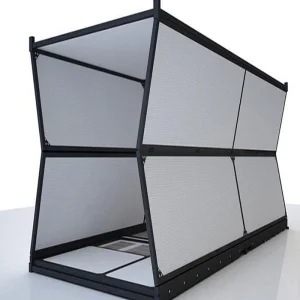
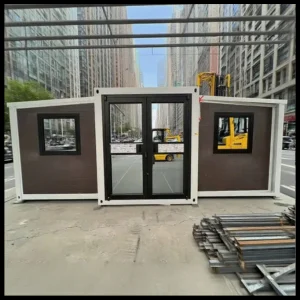
Review our heavy-duty marine wet units, compact folding cabins, and luxury container housing models.
 Estable Living