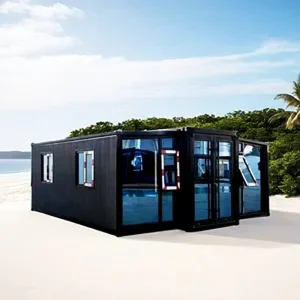
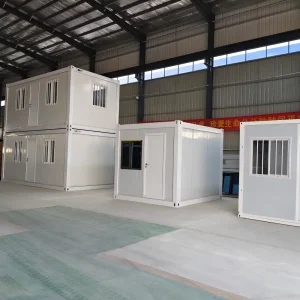
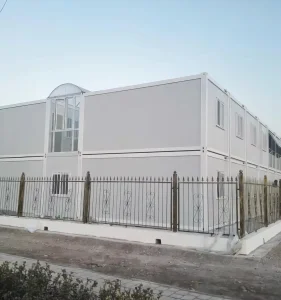
Engineered for immediate transportability, rapid construction, and long-term durability in industrial, commercial, and emergency sites worldwide.
The global construction sector is undergoing a massive structural transition. Driven by volatile labor markets, rising logistics expenses, and urgent timelines, institutional developers are moving away from traditional on-site masonry. Today’s commercial procurement is dominated by Modern Methods of Construction (MMC), where factory-controlled volumetric prefabrication ensures extreme precision and structural predictability.
At the center of this shift is the concept of Innovative Modular Architecture. These systems are not merely temporary shelters; they represent sophisticated engineering designs that balance structural load distribution, thermal barrier efficiency, and logistics optimization. By utilizing advanced structural steel frameworks and custom panel infills, modern manufacturers produce units that deploy in minutes yet endure for decades.
For B2B procurement directors, sourcing agents, and civil project engineers, finding a qualified production partner in China is critical. This whitepaper analyzes the structural engineering standards, procurement requirements, and technological trends shaping the contemporary modular housing market.
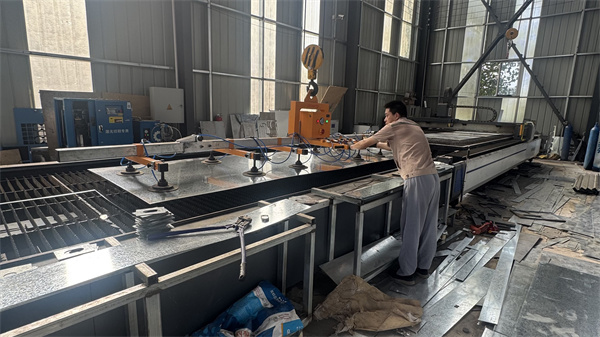
Understanding the technical, economic, and logistical factors driving institutional sourcing of modular assets.
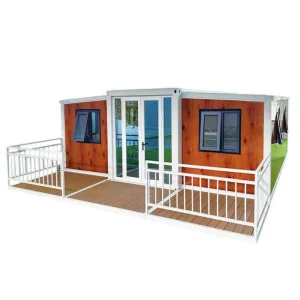
Traditional shipping methods are costly. By engineering collapsible and flat-pack systems, volumetric cargo space is reduced by up to 75%. This allows transport of four modular units in a single standard shipping slot, drastically lowering ocean freight rates.
Global developers require structural steel frameworks to comply with localized codes (e.g., Eurocodes, AS/NZS, IBC). Compliance regarding structural wind loads, seismic ratings, and flame-spread ratings remains a top requirement for B2B buyers.
Commercial developments must minimize carbon footprints. Prefabricated manufacturing cuts on-site material waste by 90% and eliminates continuous heavy vehicle traffic. It also uses highly recyclable steel and energy-efficient insulation materials.
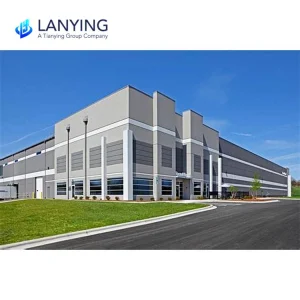
Modular systems are highly versatile, adapting to different environments and applications. Below is an overview of the key industrial and commercial applications driving global demand:
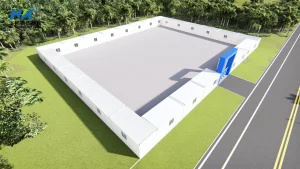
In regions like Western Australia, the GCC, and Sub-Saharan Africa, resource extraction projects require reliable housing. These units must withstand extreme heat and sandstorms. Integrated modular office blocks, dining units, and residential quarters provide reliable, insulated, and air-conditioned environments for workforce operations.
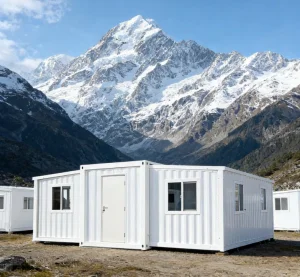
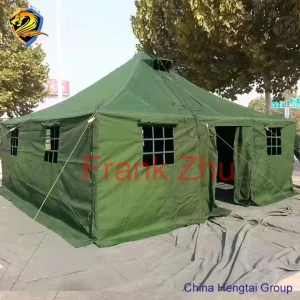
During natural disasters or humanitarian crises, relief organizations require robust shelters. Standard tents degrade within months, but galvanized steel folding shelters deploy in minutes, withstand harsh weather, and provide safe, sanitary conditions for vulnerable populations.
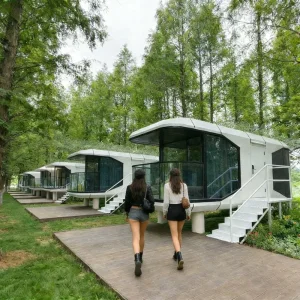
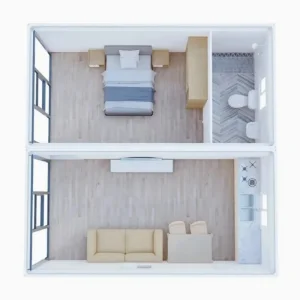
The hospitality sector is adopting off-site manufactured capsule hotels and modular cabins. These units are fabricated in-factory, pre-wired, and fully plumbed, allowing resort owners to install luxurious accommodations in remote locations without environmental disruption.
Choosing the correct core material for modular wall panels determines the thermal efficiency (R-value), structural capacity, and fire safety of the building. The table below compares the standard materials utilized in our manufacturing facilities:
| Material Type | Thermal Conductivity (W/m·K) | Fire Resistance Rating | Density (kg/m³) | Primary Application Areas |
|---|---|---|---|---|
| Expanded Polystyrene (EPS) | 0.035 - 0.041 | Class B2 (Flame Retardant) | 12 - 20 | Economic office spaces, mild-climate temporary housing, site storage units. |
| Rockwool (Mineral Wool) | 0.038 - 0.044 | Class A1 (Non-Combustible) | 80 - 120 | High-security offices, dangerous goods storage, industrial processing zones. |
| Polyurethane (PU / PIR) | 0.020 - 0.024 | Class B1 (Self-Extinguishing) | 38 - 45 | Cold storage facilities, extreme climates, premium high-efficiency residences. |
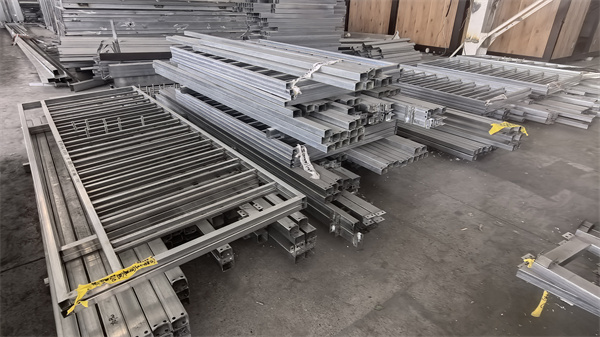
Dongguan Estable Living Co., Ltd. is a dynamic and innovation-driven manufacturer specializing in foldable housing and modular building solutions. Positioned as a Foldable House Manufacturer | Collapsible Modular Building Supplier | Rapid Deployment Housing Solutions provider, the company delivers efficient, portable, and cost-effective structures for global clients in construction, emergency response, mining camps, and temporary accommodation sectors.
Founded in 2012 in Dongguan, China, Estable Living began as a small-scale metal structure workshop focused on light steel fabrication. By 2015, the company expanded into prefabricated housing systems, recognizing the growing global demand for fast-installation and relocatable buildings. In 2018, Estable introduced its first generation of foldable container houses, significantly reducing installation time and transportation costs.
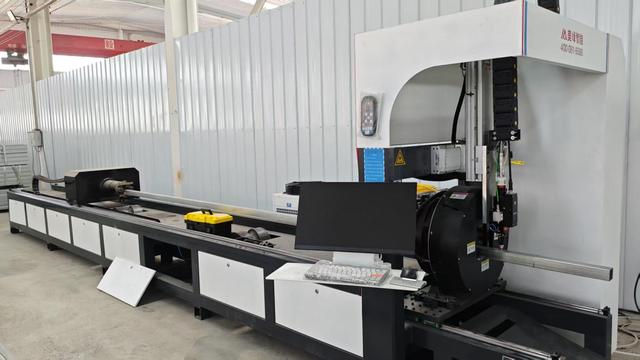
Driven by continuous R&D, the company upgraded its product line in 2021 to include advanced collapsible modular buildings with improved insulation, durability, and customizable layouts. Today, Estable Living operates modern production facilities equipped with automated cutting, welding, and assembly lines, ensuring consistent quality and scalable output.
With a strong commitment to innovation, sustainability, and customer-oriented design, Dongguan Estable Living Co., Ltd. has established long-term partnerships across Asia, the Middle East, Africa, and South America. The company continues to lead in rapid deployment housing solutions, offering reliable, flexible, and future-ready modular living spaces for a wide range of applications.
As the construction industry integrates advanced technology, Estable Living's R&D division is focusing on three main developments:
Future modular units will integrate thin-film solar roof layers, smart storage batteries, and greywater filtration. This will allow deployable units to operate in remote areas without local power grid hookups.
We are testing aerospace-grade composite panels and hollow section light steels. These composites reduce dead weight by 35% while increasing structural shear resistance, making handling easier and shipping costs lower.
Integrating IoT climate sensors, mechanical ventilation, and occupancy trackers into structures allows centralized operations management for large mining and construction camps.
Deploying modular houses globally requires structured quality control and logistical planning. Below is our system for ensuring reliability from the factory floor to the final site destination:
Clear answers to technical, commercial, and logistical inquiries from international sourcing professionals.
Discover our comprehensive collection of collapsible structures, medical utility cabins, and shelter designs.
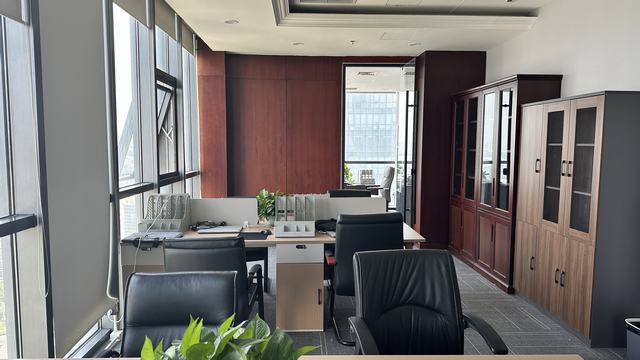
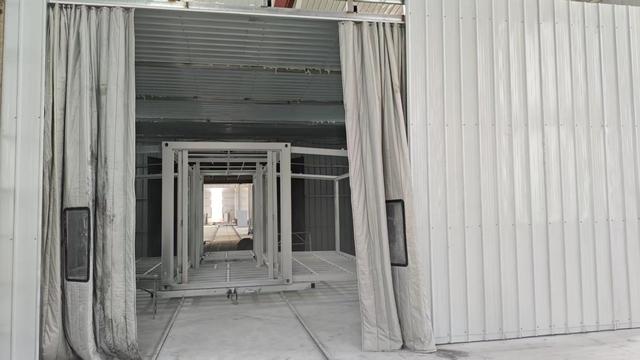
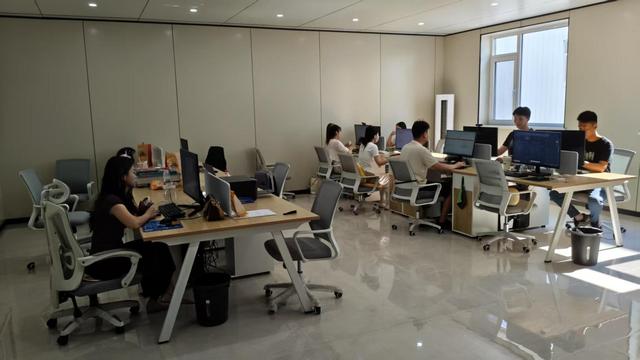
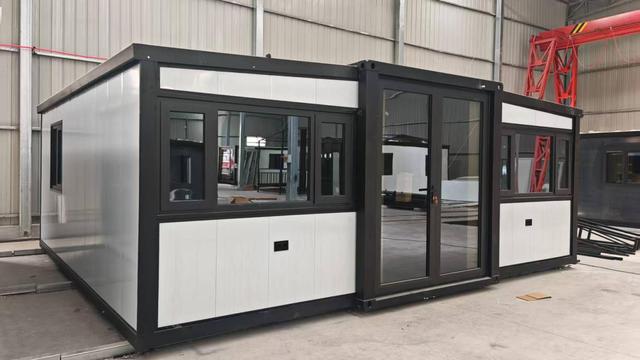
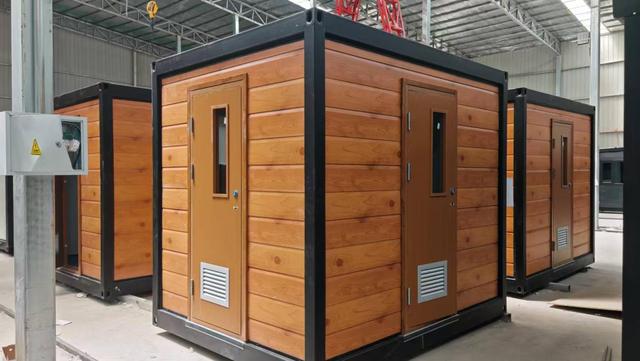
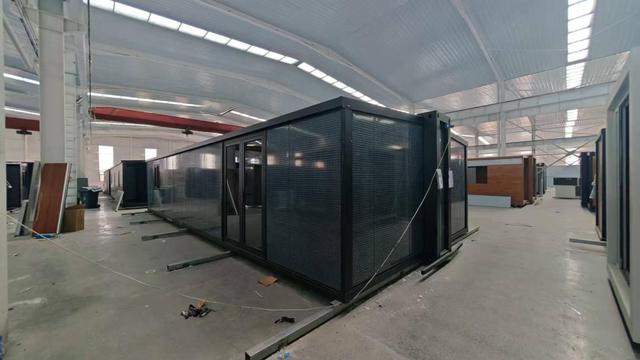
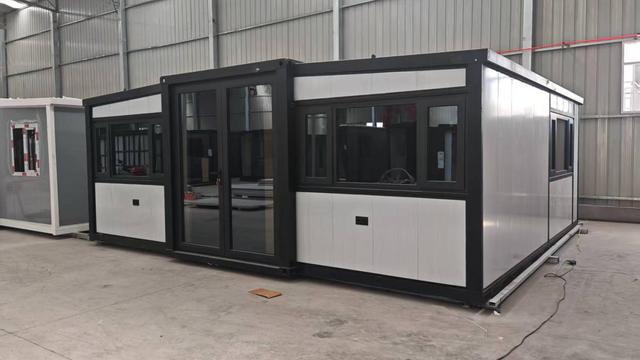
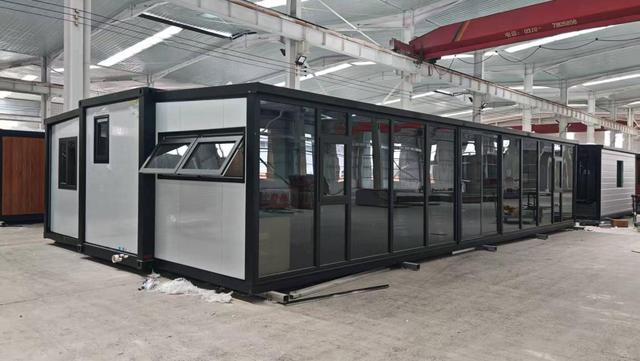
A transparent look inside our production facilities, structural test assemblies, and material processing workshops in Dongguan, China.
 Estable Living