Explore our cutting-edge structural units, quick-assembly homes, and specialized industrial facilities engineered for global compliance and structural efficiency.
Analyzing global demand, China's factory scaling efficiencies, and the technological standards driving rapid deployment structures.
The global construction industry is undergoing an unprecedented transition from traditional site-built methods to prefabricated, modular, and off-site manufactured solutions. At the vanguard of this shift is the category of compact modular homes. These structures are not merely temporary shelters; they represent a sophisticated merger of structural engineering, metallurgical innovation, thermal physics, and advanced logistics. High-density urban zones, remote mining installations, emergency relief programs, and high-end ecotourism ventures are increasingly adopting compact modular platforms to bypass the prolonged timelines, high labor costs, and unpredictable weather hazards associated with traditional brick-and-mortar development.
By transferring up to 90% of the construction workflow to highly controlled factory environments, manufacturers achieve structural tolerances measured in millimeters rather than centimeters. This industrial precision translates directly to superior structural integrity, enhanced thermal boundaries, and exceptional seismic resistance. For institutional developers, military procurement agents, and commercial housing operations, compact modular systems offer a predictable, rapid-return capital option that meets international building standards, including strict wind load capacities and R-value thermal performance certifications.
Modern macroeconomic challenges—ranging from soaring urban land values to acute skilled labor shortages across Western Europe, North America, and Australia—have elevated modular homes to a critical component of national infrastructure strategies. Globally, governments and private enterprises are seeking ways to scale affordable and resilient housing units at speed.
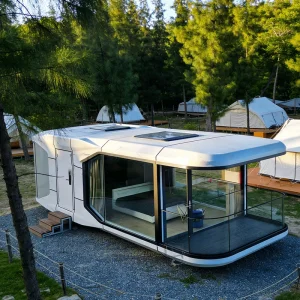
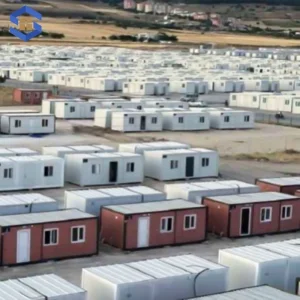
In the resource extraction and industrial sector, there is a constant need for mobile, relocatable housing structures. Offshore operations, deep-well mining, and massive transport infrastructure developments must establish self-sustaining workforce cities in remote geographies with zero existing services. Here, collapsible and expandable modular cabins provide rapid, dignified housing, offices, and security facilities. Concurrently, the post-pandemic hospitality surge has generated a lucrative sub-market: the high-end mobile tourism asset. Innovations like smart capsule houses and expandable luxury villas allow developers to position hospitality nodes in sensitive ecological regions—such as coastlines, forest reserves, and high-altitude slopes—with minimal environmental footprint and no destructive excavation work.
The global preeminence of China-based modular home factories stems from a concentrated industrial ecosystem. Rather than relying on disparate components shipped across long distances, Chinese manufacturing clusters integrate raw steel production, hot-dip galvanization, advanced insulation formulation, window/door fabrication, and electronics assembly in tight geographic configurations. Dongguan, located in the Pearl River Delta, serves as a primary hub for this specialized metal fabrication.
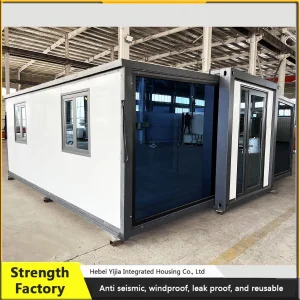
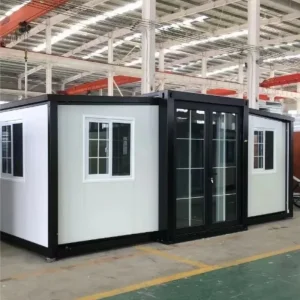
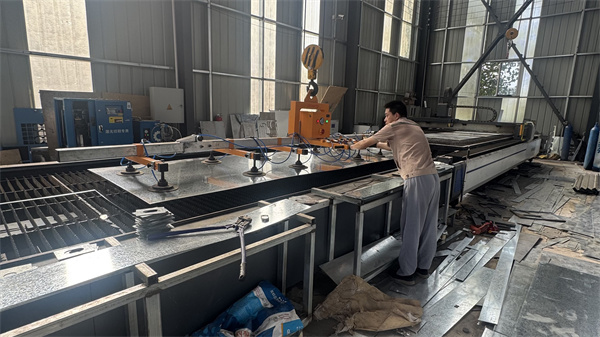
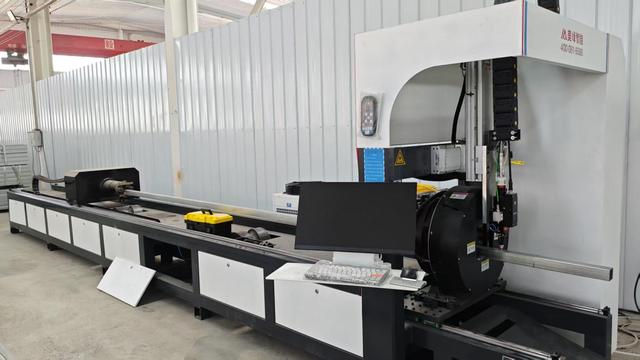
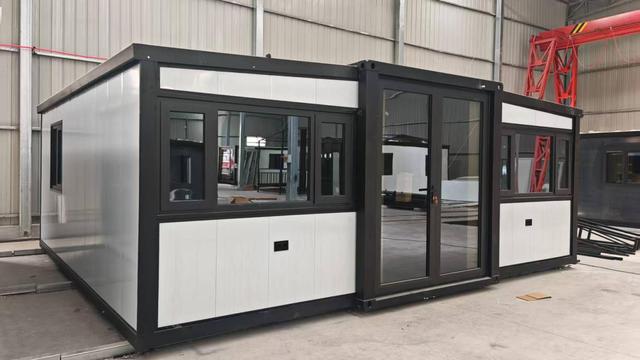
Chinese factories exploit these consolidated supply networks to purchase raw materials at massive scale, insulating international buyers from wild commodity price swings. Furthermore, the incorporation of advanced industrial robotics—such as laser cutting systems, automatic gas metal arc welding (GMAW) units, and automated spray coating systems—minimizes human error. The result is a highly repeatable structural framework that guarantees exact alignments, which are crucial for complex folding structures. A 20-foot dual-wing expandable unit, for example, features multiple mechanical hinges, gaskets, and folding wall panels that must align to within 0.5 millimeters to ensure watertightness and air sealing. Such accuracy is nearly impossible to maintain without advanced robotic production lines.
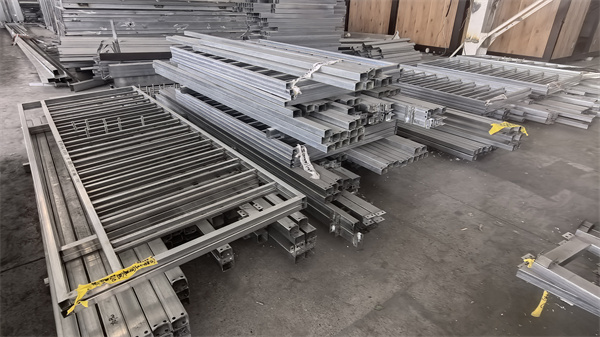
By leveraging Dongguan's localized supply chain, factories can procure structural grade steel, high-density polyurethane cores, and modular electrical components with zero long-distance transit delays. This integration enables rapid production runs, quick design modifications, and superior quality control.
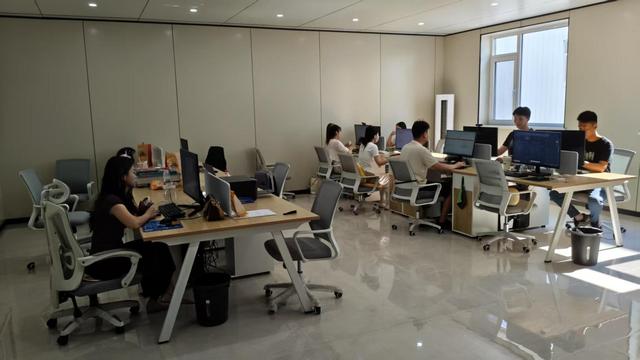
Dongguan Estable Living Co., Ltd. is a dynamic and innovation-driven manufacturer specializing in foldable housing and modular building solutions. Positioned as a Foldable House Manufacturer | Collapsible Modular Building Supplier | Rapid Deployment Housing Solutions provider, the company delivers efficient, portable, and cost-effective structures for global clients in construction, emergency response, mining camps, and temporary accommodation sectors.
Founded in 2012 in Dongguan, China, Estable Living began as a small-scale metal structure workshop focused on light steel fabrication. By 2015, the company expanded into prefabricated housing systems, recognizing the growing global demand for fast-installation and relocatable buildings. In 2018, Estable introduced its first generation of foldable container houses, significantly reducing installation time and transportation costs.
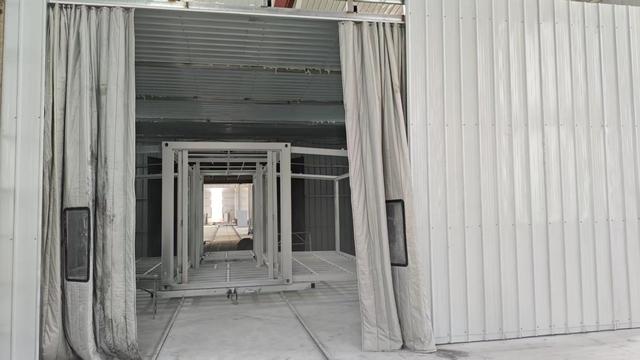
Driven by continuous R&D, the company upgraded its product line in 2021 to include advanced collapsible modular buildings with improved insulation, durability, and customizable layouts. Today, Estable Living operates modern production facilities equipped with automated cutting, welding, and assembly lines, ensuring consistent quality and scalable output.
With a strong commitment to innovation, sustainability, and customer-oriented design, Dongguan Estable Living Co., Ltd. has established long-term partnerships across Asia, the Middle East, Africa, and South America. The company continues to lead in rapid deployment housing solutions, offering reliable, flexible, and future-ready modular living spaces for a wide range of applications.
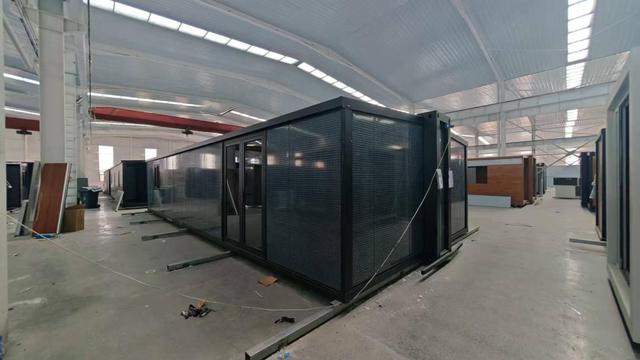
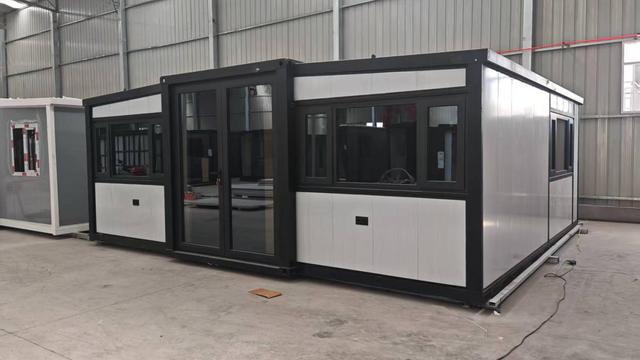
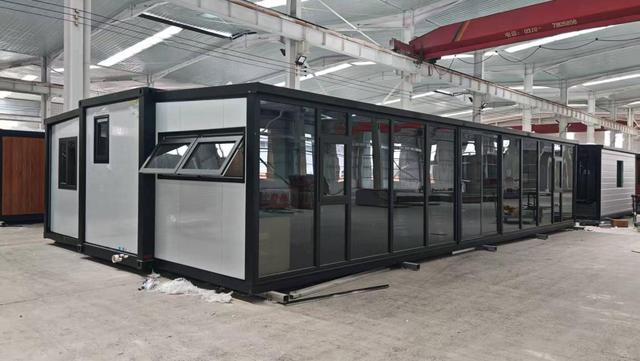
The mechanical superiority of modern compact modular housing lies in its structural engineering. A deep dive into these components reveals the following critical standards:
The adaptability of compact modular units makes them suitable for diverse regional and operational contexts:
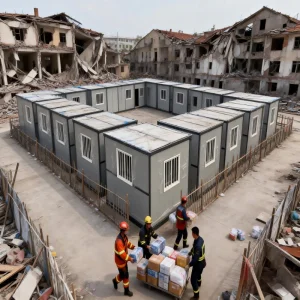
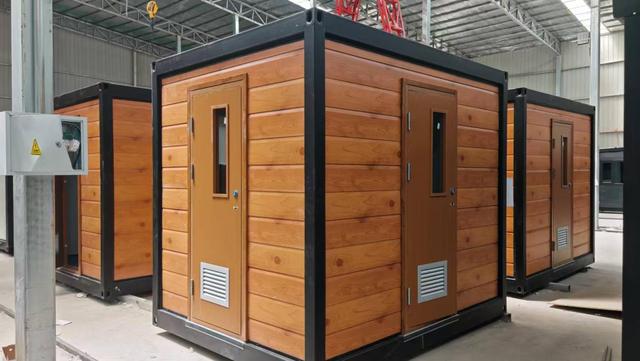
Deployable via flatbed truck within hours, these units offer immediate, hygienic shelter with integrated wiring, insulation, and washrooms for natural disaster zones.
Ideal for mining, oil exploration, and infrastructure projects, offering long-term dormitories, canteens, and administrative offices that can be easily relocated.
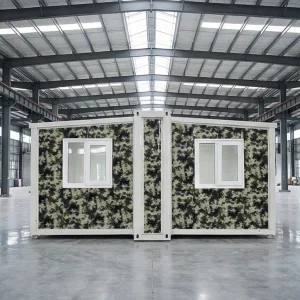
Futuristic smart capsule designs and high-end glass-paneled modular cabins provide premium accommodation in eco-resorts, minimizing environmental disruption.
International B2B sourcing agents must navigate complex logistics and local building codes. When purchasing from Chinese factories, procurement teams should evaluate:
The future of the compact modular homes sector is defined by integration and sustainability. We are moving toward Net-Zero Energy modular units that feature factory-integrated rooftop photovoltaic arrays, lithium-ion battery storage banks, and greywater recycling loops. As global energy costs fluctuate, off-grid self-sufficiency has become a primary selling point for developers.
Furthermore, smart automation is being built directly into the wall panels. From integrated climate control to automated security systems, smart capsule units now feature voice-controlled operations and energy monitoring software. Simultaneously, structural materials are evolving toward ultra-light carbon-composite framing and advanced bio-based insulation materials. This reduces transport emissions while enhancing insulation properties and flame-retardant performance.
With hot-dip galvanized steel framing and anti-corrosive finishes, structural frames are engineered to last 20 to 30 years under normal weather conditions. Regular inspection of joint seals and external panels can extend this lifespan.
Thermal performance is determined by sandwich panel thickness (50mm–100mm) and core material (PU/Rockwool). Polyurethane cores offer low thermal conductivity (around 0.022 W/m·K), making them suitable for sub-zero mining operations and hot desert climates.
Yes. Specifically designed flat-pack modules with reinforced corner castings and load-bearing pillars can be stacked up to three stories high, provided that adequate ground foundation works and structural connecting brackets are utilized.
For rapid temporary setups, a flat concrete pad, compact gravel base, or simple steel pier system is sufficient. For permanent residential code compliance, a concrete slab-on-grade foundation or screw-pile system is recommended to ensure wind uplift resistance.
A comprehensive overview of heavy-duty workspace solutions, storage configurations, and auxiliary drive equipment for modular systems.
 Estable Living