Understanding the difference between prefab and modular homes can be challenging. Many people use these terms interchangeably. However, knowing what is the difference between prefab and modular homes is essential for homebuyers.
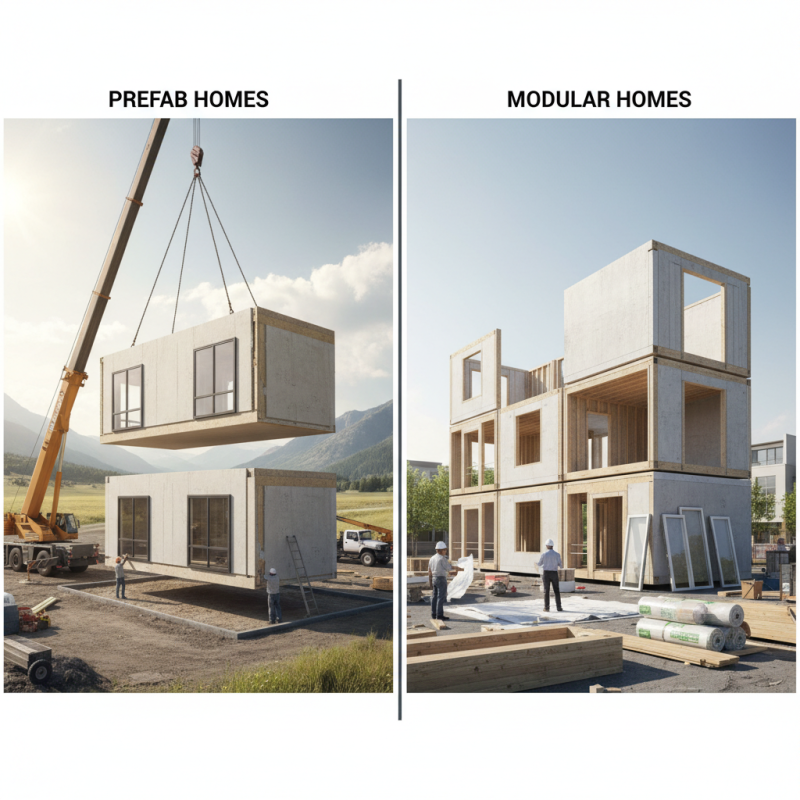
Prefab homes are factory-built structures. They are usually constructed in sections and then transported to the site. Modular homes, while also factory-built, are assembled on-site. This key distinction affects their design, financing, and construction timelines. Each type has its pros and cons.
For example, prefab homes often offer quicker Assembly. But they may lack customization options. Modular homes provide more design flexibility. Yet, they can take longer to complete. The decision between the two will depend on personal needs and preferences. It's important to weigh the facts carefully. Understanding these differences leads to a more informed choice.
What are Prefab Homes and Their Characteristics?
Prefab homes, short for prefabricated homes, are structures made from sections manufactured in factories. These sections are then transported to the building site for assembly. One key characteristic is their construction speed. Typical prefab homes are built 25% faster than traditional homes, according to industry reports. Additionally, they often boast greater energy efficiency, with many designs incorporating sustainable materials.
Modular homes, a subset of prefab homes, are built in modules. Each module is complete with plumbing, electrical, and insulation before transport. This often results in enhanced structural strength compared to conventional methods. A report from the Modular Home Builders Association indicated that modular homes can reduce waste by up to 30%.
Tip: Consider the importance of location when selecting a prefab home. Some areas may have specific zoning laws or building codes. Understanding these regulations can save time and money.
Also, think about customization options. While many prefab homes come with set designs, some manufacturers offer adaptable layouts. This flexibility can help create a space that truly feels like home.
Finally, get informed. Research past projects and customer reviews to gauge the quality and reliability of construction. Being diligent now can pay off later.
Understanding Modular Homes: Features and Design
Modular homes have gained popularity due to their efficient design and construction methods. They are built off-site in sections, called modules, and then transported to the site for assembly. This allows for better quality control and often quicker construction times. According to a report by the Modular Building Institute, the modular construction market is expected to grow by 6.9% annually through 2026. This growth reflects the increasing acceptance of modular homes in residential markets.
Features of modular homes include flexible design options and sustainability benefits. Homebuyers can choose from a variety of layouts and finishes. The use of eco-friendly materials is common in modular construction. This enhances energy efficiency, reducing utility costs for homeowners. Research indicates that modular homes can use up to 60% less energy than traditional homes. This statistic highlights a significant advantage. However, some may worry about perception and zoning challenges which can slow down adoption rates.
The design of modular homes can be as unique as any traditional house. Customizable features are integral. Owners can add personal touches, influencing the home's final appearance. Issues may arise with resale. Homeowners might face obstacles in finding buyers who are familiar with modular designs. Understanding these aspects is crucial for potential buyers. They must weigh the benefits and challenges in their decision-making process.
Key Differences Between Prefab and Modular Homes
Prefab and modular homes are often confused, but they have distinct characteristics.
Prefabricated homes are built off-site in sections. These sections are then transported and assembled on-site. The construction process can be faster than traditional homes.
Modular homes, on the other hand, are built in individual modules. These modules follow specific building codes and are also transported to the site for assembly.
One key difference lies in quality control. Prefab homes can vary widely in quality since they may come from different manufacturers.
Modular homes typically undergo strict inspections during construction. This ensures they meet local codes. Both types offer flexibility in design. However, prefab homes may
lack customization options compared to modular units, which can be tailored more closely to a buyer's preferences.
Another aspect to consider is cost. Prefab homes can sometimes be cheaper, but hidden costs may arise in site preparation. Modular homes often have clearer pricing structures due to standardized construction processes.
Buyers should also reflect on their long-term needs. What seems economical now might not be the best choice in the future. Understanding these nuances can guide potential homeowners toward a more informed decision.
Advantages and Disadvantages of Prefab and Modular Housing
Prefab and modular homes are becoming increasingly popular. However, they have pros and cons that potential buyers should consider.
Prefab homes are built off-site. They are made in sections and then transported to the location. This process generally lowers costs. According to a report from the National Association of Home Builders, prefab homes can save homeowners up to 15% compared to traditional constructions. However, buyers might face limitations in customization. The designs may not fit everyone’s taste.
Modular homes, while similar, are usually more customizable. They are built in sections and assembled on-site. This flexibility often leads to higher prices. According to a 2021 survey by Statista, nearly 70% of buyers prefer customization options. Yet, these options can increase the build time and price. Delivery delays can be frustrating.
Tip: Consider your long-term needs before making a decision. Think about lifestyle and family size. Check local regulations since zoning laws may impact your options. Make informed choices based on your budget and preferences.
How to Understand the Difference Between Prefab and Modular Homes? - Advantages and Disadvantages of Prefab and Modular Housing
| Feature |
Prefab Homes |
Modular Homes |
| Construction Method |
Constructed off-site in sections |
Built off-site in modules, also sections |
| Assembly Time |
Quicker assembly compared to traditional homes |
Generally faster than traditional homes due to factory production |
| Customization Options |
Limited customization; more predefined |
More options for customization and design |
| Building Codes |
Subject to local or state building codes |
Built to same local codes as traditional houses |
| Cost Effectiveness |
Generally lower cost than on-site built homes |
Usually more budget-friendly due to modular building |
| Financing Options |
May have limited financing options |
Typically similar financing options to traditional homes |
| Resale Value |
May depreciate faster |
Often maintain value well over time |
| Environmental Impact |
Less waste during construction |
Factory efficiency can lower environmental impact |
Factors to Consider When Choosing Between Prefab and Modular Homes
When choosing between prefab and modular homes, several factors require careful evaluation. One key consideration is cost. According to the U.S. Census Bureau, the average price for a modular home is about 10-20% less than traditional building methods. This can make modular homes an attractive option for budget-conscious buyers. However, hidden costs can arise, such as site preparation and utility connections. Always factor these extras into your budget.
Another crucial aspect is the construction time. A modular home can be completed in a fraction of the time compared to traditional homes. Reports indicate that modular homes can be built and assembled in as little as three months. Prefab homes may take longer, depending on the complexity of the design. This speed advantage can be significant for those needing immediate housing solutions.
Finally, local building codes play a vital role. Modular homes must comply with state regulations, often resulting in higher standards. Prefab homes can vary widely in quality due to less stringent regulations. It's imperative to research local laws to ensure compliance. Making an informed decision means understanding how these factors align with your priorities and future needs.
Comparison of Prefab and Modular Homes
Conclusion
In exploring the question of what is the difference between prefab and modular homes, it's important to first define each type. Prefab homes, or prefabricated homes, are built off-site in sections and assembled on the property, featuring a variety of designs that can be customized. In contrast, modular homes are constructed in segments that meet specific building codes and are also assembled on-site, often allowing for more complex architectural designs.
Key differences include construction methods and regulatory compliance, which can impact durability and building options. Both types offer distinct advantages, such as shorter build times and sustainable practices, but they also come with drawbacks like potential zoning challenges and financing issues. Ultimately, factors such as budget, design preference, and location should guide homeowners in choosing between prefab and modular housing.

 Estable Living