Top 10 Facts How Fast Can a Modular Building Be Assembled?

Time:2026-10-21 Author:Amelia
0%

How fast can a modular building be assembled? The answer depends on design, factory capacity, transport routes, site readiness, and local approvals. A small modular structure may be installed within days. Larger projects can require several weeks for on-site assembly and final services.

Mark Farmer, a respected construction strategist and author of the Modernise or Die report, has warned, “Modernise or die.” His statement explains why modular construction attracts attention. Factory production can run beside foundation work. Teams may install finished wall panels, bathrooms, wiring, and flooring with fewer weather delays. A crane can sometimes place several modules in one day.

Still, speed is not automatic. Poor coordination can create expensive pauses. A delayed permit, unsuitable access road, or missing utility connection may stop the entire schedule. That detail is easy to overlook.

This introduction examines ten practical facts behind modular assembly times. It considers manufacturing hours, transport planning, crane operations, connection work, inspection stages, and weather exposure. It also separates factory completion from full building readiness. A module may look finished while commissioning remains incomplete.

Experienced contractors often measure progress in milestones, not promises. They check when the design is frozen, when production begins, when modules arrive, and when occupants can safely enter. These dates can differ significantly. The fastest project is not always the best project. Rushed work may increase defects, rework, and maintenance concerns.

The following facts offer a realistic view of how fast can a modular building be assembled. They also show where optimistic schedules need closer review.
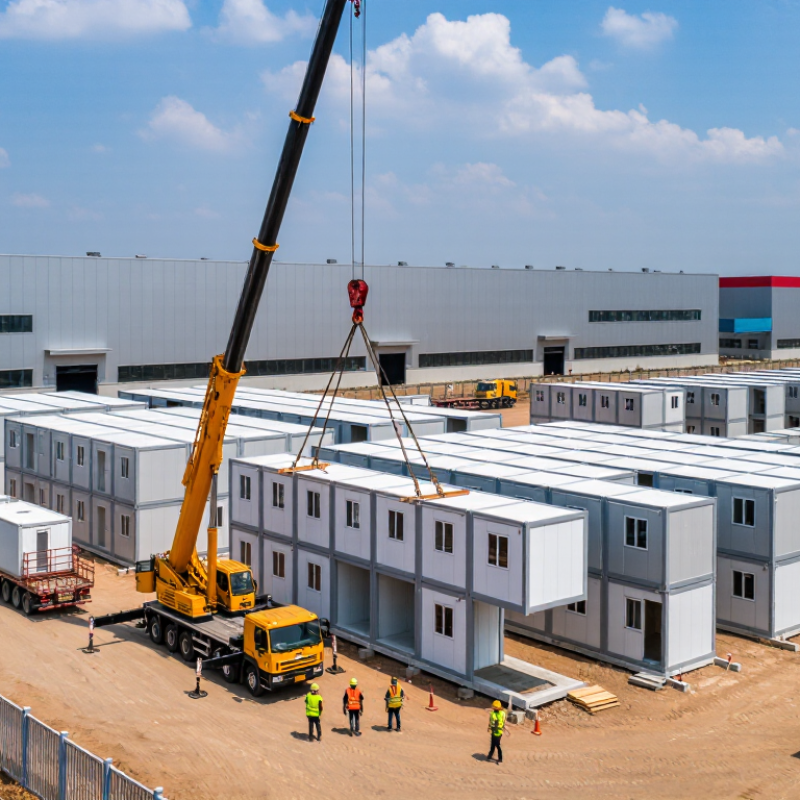
Top 10 Facts How Fast Can a Modular Building Be Assembled?

What Determines the Assembly Speed of a Modular Building?

Assembly speed depends on more than the number of modules arriving onsite. A prepared foundation is often the biggest advantage. Surveyors must confirm anchor points, elevations, and access routes before delivery. Even a small foundation error can stop a crane operation.

Module design also controls the schedule. Simple room-sized units usually connect faster than irregular units with complex services. Factories can install wiring, plumbing, insulation, and finishes under controlled conditions. This reduces onsite labor and protects interior work from changing weather. However, factory efficiency does not remove every delay.

Crane capacity matters. So does the distance between the truck and foundation. A narrow road, soft ground, or overhead obstruction can slow each lift. Skilled crews may place several modules in one day, but safe positioning still requires careful communication. Connections need inspection before walls and finishes conceal them. Local approvals, utility readiness, and weather forecasts also influence the final pace.

Experience shows that rushed assembly creates hidden problems. Misaligned panels can affect doors, flooring, and mechanical connections. A project manager should leave time for measurements and corrections. That allowance may feel inefficient. It often prevents longer delays later. Some schedules appear fast only because preparation work happened weeks earlier. The visible assembly is merely the final, highly coordinated stage.

How Modular Building Components Are Prepared Off-Site

Top 10 Facts: How Fast Can a Modular Building Be Assembled?

How Modular Building Components Are Prepared Off-Site

Off-site preparation begins with a coordinated digital model and approved shop drawings. Fact one: design decisions must be settled early. Fact two: factory work can start while foundations are prepared. Fact three: steel or timber frames are cut by controlled equipment. Fact four: wall panels receive insulation, sheathing, windows, and service openings indoors. Fact five: plumbing and electrical lines can be installed before delivery. Fact six: labeled components arrive in planned installation sequences. Small details matter.

McKinsey’s 2019 modular construction analysis reported potential schedule reductions of 20% to 50%. It also identified possible cost reductions of up to 20%, depending on project conditions. Dodge Data & Analytics has reported that off-site methods can improve schedule predictability and reduce material waste. These figures are not guarantees. Weather, transport distance, design changes, and incomplete site surveys still create delays. The factory may be efficient, but the project is not automatic.

Quality teams inspect dimensions, connections, moisture levels, and service routes before loading. A typical panel may leave the line with protective film, labels, and lifting points already attached. That preparation reduces cutting, drilling, and storage work on site. Fact eight: fewer wet trades can shorten the weather-sensitive phase. Fact nine: factory repetition supports consistent workmanship. Fact ten: installation speed depends on logistics as much as manufacturing. In practice, a crane waiting for one missing panel can erase hours of factory savings. The process is fast, but never effortless.

Top 10 Facts How Fast Can a Modular Building Be Assembled? - How Modular Building Components Are Prepared Off-Site

No. Key Dimension Typical Fact or Range How It Affects Assembly Speed
1 Parallel Site Work Foundation work and off-site manufacturing can occur at the same time. This overlap can shorten the overall project schedule because the building components are prepared while the site is being excavated, serviced, and prepared for installation.
2 Off-Site Preparation Floor, wall, ceiling, insulation, and service components are produced in a controlled factory environment. Factory production reduces the amount of cutting, measuring, and material handling required at the construction site.
3 Typical Module Installation A prepared volumetric module can often be lifted, positioned, and temporarily secured within a short installation cycle. Actual output depends on module size, crane capacity, delivery sequence, weather, site access, and the complexity of connections.
4 Crane and Delivery Logistics Modules are commonly delivered in a planned sequence and lifted directly from transport vehicles. Just-in-time delivery reduces double handling and on-site storage, but road restrictions, lifting plans, and traffic controls can affect the rate of assembly.
5 Weather Protection Most factory work takes place indoors and is less exposed to rain, snow, and wind. Weather-controlled production can improve consistency and reduce weather-related interruptions, although transport and crane operations may still be weather-sensitive.
6 Pre-Installed Services Electrical wiring, plumbing, heating, ventilation, and finishes may be installed before the module leaves the factory. More work is completed before delivery, so the site team mainly performs module connections, testing, sealing, and final commissioning.
7 Quality Control Factory stations allow repeated inspections at defined production stages. Standardized checks can identify defects before shipment and reduce rework after the modules have been installed on site.
8 Final Site Connections Inter-module joints, utility connections, weatherproofing, stairs, corridors, and external works are usually completed on site. These activities remain critical schedule items because a building is not ready for occupancy until structural, service, safety, and inspection requirements are complete.
9 Schedule Reduction Potential Modular methods can reduce total project time, but the exact saving varies by design, approvals, procurement, and site conditions. The largest benefits usually occur when the design is finalized early and factory production, transportation, foundations, and installation are carefully coordinated.
10 Waste and Material Handling Factory-controlled cutting and standardized production can reduce material waste and unnecessary site movement. Fewer on-site operations can help keep the work area organized, improve productivity, and support a faster installation process.

Note: Assembly speed varies significantly according to building size, module type, design complexity, local regulations, transportation conditions, weather, site readiness, and the level of factory completion.

The Step-by-Step Process of On-Site Modular Assembly

On-site modular assembly begins long before the first module arrives. Crews verify foundations, anchor points, access routes, and crane positions. A small surveying error can delay the entire sequence. Delivery trucks then place factory-built sections near the lifting zone, often according to a carefully marked installation plan.

The crane lifts each module onto prepared supports. Workers guide it with tag lines, connect structural fasteners, and check level and alignment. Weather matters. Strong wind or heavy rain may pause lifting for safety. Once the modules are secured, teams join corridors, floors, roofs, and exterior seals. Electricians, plumbers, and ventilation specialists connect services between sections. Inspectors examine fire protection, moisture barriers, stairs, and emergency access before final finishes begin. Assembly can be remarkably quick, but “fast” depends on site readiness, transport timing, and local approvals. That part is easy to underestimate.

Tips: Keep a delivery schedule with spare time. Protect openings from rain. Photograph every connection before walls are closed. Use one site coordinator for daily decisions. A second inspection is worthwhile; rushed checks sometimes miss uneven floors, loose fittings, or damaged seals. Teams also need clear communication when plans change, because one late module can affect several trades.

Typical Timelines for Different Modular Building Types

Top 10 Facts How Fast Can a Modular Building Be Assembled?

Typical Timelines for Different Modular Building Types

Assembly speed depends on design, site access, permits, and utility connections. Factory-built classrooms often reach weather-tight status within two to four weeks after foundation approval. Small site offices may take one to three weeks. Multifamily projects commonly require three to eight months for manufacturing and installation, depending on unit numbers and finishes. Healthcare modules usually take longer, often four to nine months, because medical systems require stricter testing and coordination.

The McKinsey Global Institute report Modular Construction: From Projects to Products found that modular methods can reduce construction schedules by roughly 20% to 50%. A 2024 industry report from the Modular Building Institute also highlights stronger schedule control through factory production and parallel site work. These figures are useful benchmarks, not guarantees. Weather still matters. So does paperwork. A delayed foundation can leave completed modules waiting in storage, which weakens the expected time advantage.

In practical terms, a basic classroom may be occupied within two to four months from design approval. A small healthcare extension may need six to twelve months. Larger residential developments can exceed one year, even when assembly itself takes only several weeks. That difference matters. The building may rise quickly, but approvals, transport planning, inspections, and commissioning often decide the real completion date. Some schedules look impressively short on paper. They may still need more contingency.

Key Factors That Can Delay or Accelerate Construction

Top 10 Facts: How Fast Can a Modular Building Be Assembled?

Key Factors That Can Delay or Accelerate Construction

A modular building may be assembled in weeks, not months. However, speed depends on preparation, coordination, and site conditions. Factory production can run while foundations are being completed. This overlap often shortens the schedule. A frozen design also prevents costly changes during manufacturing. Small revisions can create large delays.

Site readiness matters greatly. Uneven ground, incomplete drainage, or missing utility connections can stop installation. Permits and inspections may also affect delivery dates. Transport routes need careful checking, especially for narrow roads or low bridges. Strong wind can delay crane lifting. Heavy rain may damage access roads and slow equipment movement. Skilled crews usually accelerate assembly, but limited labor can create bottlenecks. One missing component can leave an entire room unfinished.

Tips: Confirm drawings, permits, access routes, and foundation measurements before production begins. Keep a weather buffer in the schedule. Assign one person to coordinate the factory, transport team, site crew, and inspectors. Label deliveries clearly, then inspect each module immediately. This sounds simple. It is often missed. In practice, the fastest projects are not always the most rushed. They are the projects with fewer surprises. Even experienced teams can underestimate final connections, interior finishing, or utility testing. A realistic schedule should allow time for correction. That imperfect allowance may protect the overall deadline.

FAQS

What must be checked before modular sections arrive?

Crews verify foundations, anchor points, access routes, and crane positions. A small surveying error can delay the installation sequence. Delivery trucks need clear, marked spaces near the lifting zone.

How are modules lifted and secured on site?

A crane places each section onto prepared supports. Workers use tag lines while checking level and alignment. They then connect structural fasteners and secure the module.

How does weather affect modular assembly?

Strong wind or heavy rain may pause crane lifting. Wet conditions can also expose openings and materials to damage. Weather can stop everything.

What happens after the modules are placed?

Teams connect corridors, floors, roofs, and exterior seals. Electricians, plumbers, and ventilation specialists link services between sections. Inspectors then review safety and moisture protection.

How long can a small modular building take?

Small site offices may take one to three weeks for assembly. A basic classroom may become usable within two to four months after design approval. Paperwork can still extend the timeline.

How long do larger modular projects usually require?

Multifamily projects often need three to eight months for manufacturing and installation. Healthcare projects may require four to nine months. Larger developments can exceed one year overall.

Can modular construction reduce the building schedule?

Modular methods may reduce schedules by roughly 20% to 50%. Factory production and site preparation can happen in parallel. These figures are useful benchmarks, not promises.

What practical steps can prevent delays?

Keep spare time in the delivery schedule. Protect openings from rain and photograph connections before closing walls. Use one site coordinator for daily decisions. A second inspection is worthwhile. Rushed checks may miss uneven floors, loose fittings, or damaged seals.

Conclusion

How fast can a modular building be assembled depends on its design, size, materials, site conditions, and level of preparation. Unlike traditional construction, many modular components are manufactured in a controlled off-site facility while the foundation and utilities are prepared on-site. This parallel process can significantly reduce overall construction time. Walls, floors, ceilings, electrical systems, plumbing, and interior finishes may be completed before the modules arrive at the project location.

Once delivered, the on-site process usually includes foundation inspection, transportation, lifting, positioning, connection, weatherproofing, utility installation, and final inspections. Simple modular units may be assembled within days, while larger residential, commercial, or multi-story buildings can require several weeks or more. Delays may result from poor weather, transportation challenges, design changes, incomplete foundations, permit requirements, or unexpected site conditions. Careful planning, accurate engineering, efficient logistics, and early coordination can accelerate the schedule and help ensure a safe, smooth, and predictable assembly process.

Amelia

Amelia

Amelia is a seasoned marketing professional with a wealth of expertise in our company’s core offerings. With an unwavering passion for driving growth and innovation, she plays a pivotal role in shaping our marketing strategies and enhancing brand visibility. A key aspect of her responsibilities......