How Long Do Prefab Modular Homes Last Over Time?

Time:2026-07-23 Author:Aria
0%

Prefab modular homes have gained popularity for their design flexibility and quick assembly. Many potential homeowners wonder, "how long do prefab modular homes last?" This question is crucial for anyone considering investing in one of these modern structures. While manufacturers claim longevity, various factors affect lifespan.

Quality of materials is essential. Some homes are built with high-grade components, ensuring durability over time. Others may use cheaper alternatives, leading to deterioration. Location also plays a role. Homes in areas with extreme weather face different challenges compared to those in temperate climates. Maintenance cannot be overlooked either; regular upkeep can significantly extend a home’s lifespan.

Many new buyers might not realize that improper installation can lead to issues later. Moreover, the evolving building codes and standards may impact longevity. These complexities raise important questions about reliability and overall value. Understanding these factors helps potential homeowners make informed decisions.
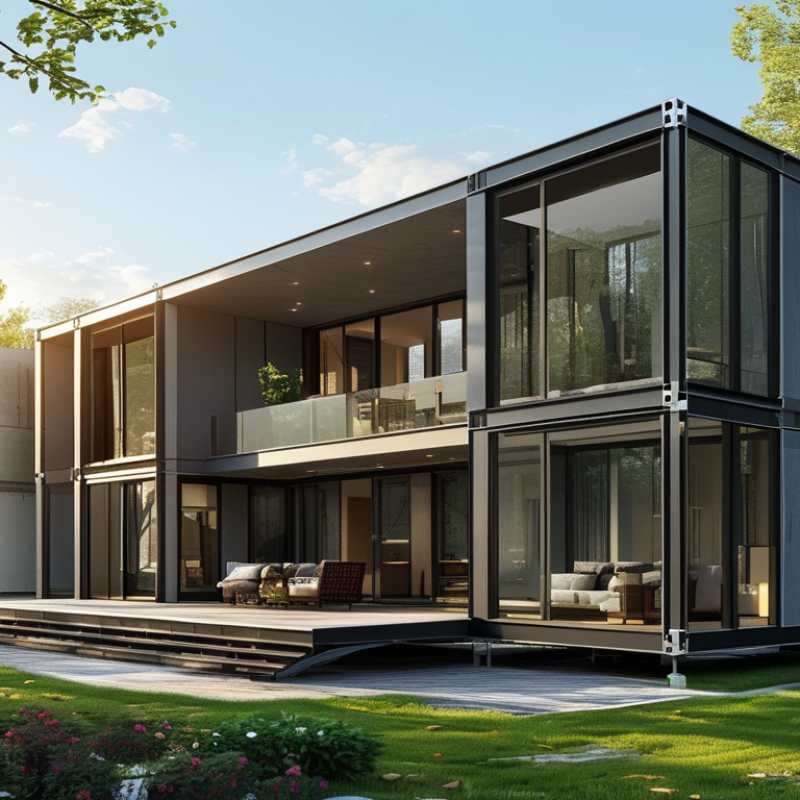
How Long Do Prefab Modular Homes Last Over Time?

The Longevity of Prefab Modular Homes: An Overview

Prefab modular homes have gained popularity for their efficiency and cost-effectiveness. Their longevity, however, is a key concern for potential buyers. On average, a well-constructed modular home can last 50 years or more. This lifespan matches that of traditionally built homes. A recent report from the Modular Building Institute indicates that these homes can withstand extreme weather conditions better than conventional houses due to their robust construction methods.

Material quality plays a significant role in durability. Many prefab homes are built with high-quality materials designed to resist wear and tear. For example, steel frames and engineered wood can enhance structural integrity. Yet, not all prefab homes are created equal. Some may skimp on material quality to cut costs, which can shorten their lifespan. Regular maintenance is crucial to ensure that these homes remain in good condition over time.

Homeowners should be aware of potential weaknesses, such as issues with insulation or foundation settling. Addressing these concerns proactively can significantly extend the life of a prefab home. The National Association of Home Builders emphasizes that consistent upkeep is essential. Poor maintenance can lead to costly repairs, ultimately affecting a home's longevity.

Longevity of Prefab Modular Homes Over Time

This chart illustrates the estimated structural integrity of prefab modular homes over time, showcasing how their longevity can vary based on age. As shown, homes tend to lose some structural integrity as they age, typically starting at 90% after 10 years and decreasing to about 50% after 50 years.

Factors Affecting the Lifespan of Modular Homes

The lifespan of modular homes is influenced by several key factors. Quality of materials is essential. Homes built with high-grade materials tend to last longer. Cheaper materials may reduce lifespan significantly. Additionally, weather conditions play a major role. In areas with harsh climates, homes may experience quicker wear and tear.

Maintenance is another critical factor. Regular upkeep can extend a home’s life. Neglected homes often face issues like mold or structural damage. Homeowners must be proactive about inspections and repairs. The skill of the builders also matters. A poorly constructed home can face serious problems earlier than expected.

Environmental factors should not be overlooked. Soil conditions affect stability. Flood-prone areas may require additional safeguards. Modular homes also depend on local regulations. Some areas enforce stricter building codes, which can enhance longevity. Each factor interconnects, creating a complex picture of durability. The decisions made during construction significantly impact how long these homes will last.

How Long Do Prefab Modular Homes Last Over Time? - Factors Affecting the Lifespan of Modular Homes

Factor Impact on Lifespan Average Lifespan (Years)
Material Quality Higher quality materials increase durability and longevity. 50-100
Climate Extreme weather conditions can reduce lifespan. 30-70
Maintenance Regular maintenance prolongs lifespan significantly. 50-80
Foundation Quality A strong foundation prevents settling and structural issues. 50-100
Design and Engineering Well-designed homes withstand wear and tear better. 50-90

Comparative Durability: Modular Homes vs. Traditional Homes

When comparing the durability of modular homes to traditional homes, several factors come into play. Modular homes are built in a controlled environment, which protects them from weather-related issues that can occur during traditional construction. This process often leads to fewer defects and better overall quality. However, some criticize that these homes might lack the unique character found in traditional designs.

On the other hand, traditional homes are generally constructed on-site. This allows for customization, but it exposes them to unpredictable weather conditions, which may impact their longevity. It’s not uncommon for traditional homes to have more hidden problems that only reveal themselves over time.

Modular homes, built with contemporary materials, can also include energy-efficient systems and insulation that traditional homes may lack.

Nevertheless, not all modular homes guarantee long-lasting durability. They require proper maintenance, just like their traditional counterparts. The choice between these two types of homes ultimately depends on personal preferences and needs.

Each has its strengths and weaknesses. Understanding these can help potential homeowners make informed decisions about their living spaces.

Maintenance Practices for Prolonging Prefab Home Lifespan

Prefab modular homes are gaining popularity for their efficiency and cost-effectiveness. However, their longevity largely depends on proper maintenance practices. Regular checks and timely repairs can significantly extend their lifespan. According to a report by the National Association of Home Builders, well-maintained homes can last over 70 years, while neglect can lead to costly repairs or early replacement.

One key aspect of maintenance is regular inspection of structural elements. This includes checking the roof, walls, and foundation for signs of wear. Seasonal clean-ups are essential too. Keep gutters clear to prevent water damage. Address small issues before they escalate to major problems. It’s surprising how many homeowners overlook these simple steps.

Tips: Ensure you perform a thorough inspection at least once a year. Document any repairs or concerns immediately. Aim for every component to be functioning optimally. An investment in maintenance today can lead to a more durable home tomorrow. Additionally, consider landscaping that directs water away from the foundation. This small change can prevent future issues and enhance your home’s longevity.

Industry Standards and Regulations Impacting Home Longevity

Modular homes can last for decades, but their longevity is heavily influenced by industry standards and regulations. Quality control is crucial during the manufacturing process. Approved materials and building codes ensure that homes can withstand weather and normal wear over time. These standards help protect investments and provide assurance to homeowners.

When considering a prefab home, research local regulations. Some areas have stricter guidelines that affect the construction quality. If a home is built below these standards, it may not last as long. Regular inspections can also help identify potential issues early.

Tips: Choose a manufacturer with a solid reputation. Quality craftsmanship matters greatly. Regular maintenance is essential. Inspect seams and joints regularly to prevent leakage or mold. Each aspect of care can extend the life of a modular home. Remember, investing time in maintenance pays off in the long run.

FAQS

: What factors influence the lifespan of modular homes?

: Key factors include material quality, weather conditions, maintenance, builder skill, and local regulations.

How do weather conditions affect modular homes?

Harsh climates can lead to quicker wear and tear on homes, reducing their overall lifespan.

Why is maintenance important for modular homes?

Regular upkeep prevents issues like mold and structural damage, extending the home’s life.

Are modular homes durable compared to traditional homes?

Generally, modular homes are built in controlled environments, reducing defects compared to traditional homes.

Can all modular homes guarantee long-term durability?

No, they also require proper maintenance to ensure longevity, just like traditional homes.

How do industry standards impact home longevity?

Quality control and approved materials ensure that homes can withstand weather and wear over time.

What should I research when considering a modular home?

Look into local regulations and building codes, as they can significantly affect construction quality.

How can I maintain my modular home effectively?

Regular inspections of seams and joints can help prevent leaks and mold, which is critical for longevity.

What are some hidden problems in traditional homes?

Traditional homes often reveal issues over time due to exposure to unpredictable weather during construction.

What should I look for in a modular home manufacturer?

Choose a manufacturer with a solid reputation, as quality craftsmanship is vital for durability.

Conclusion

Prefab modular homes have gained popularity for their efficiency and design flexibility, but a common question arises: how long do prefab modular homes last? Generally, these homes can last over 50 years with proper construction and maintenance. Several factors influence their lifespan, including the quality of materials used, design, and local climate conditions.

When comparing the durability of modular homes to traditional homes, studies indicate that both can be equally enduring if built to code. Regular maintenance practices, such as timely repairs and inspections, play a crucial role in maximizing longevity. Furthermore, adherence to industry standards and regulations ensures that prefab homes are constructed to withstand various environmental stresses, contributing to their overall durability. Therefore, with the right care and consideration, prefab modular homes can offer lasting value.

Aria

Aria

Aria is a dedicated marketing professional with a deep passion for innovative strategies and a keen understanding of our company's product offerings. With a wealth of experience in the industry, Aria excels at crafting engaging content that highlights the unique features and benefits of our......