As climate change intensifies, extreme weather events are becoming increasingly common. This raises a crucial question: are modular houses safe in extreme weather? According to a report by the National Oceanic and Atmospheric Administration (NOAA), the frequency of severe storms has increased significantly over the past few decades. Consequently, understanding the resilience of modular homes in these challenging conditions is vital.
Modular homes, built in controlled factory settings, are designed for durability and efficiency. A study from the Modular Building Institute highlights that properly constructed modular buildings can withstand wind speeds of 140 mph or more. However, there are concerns regarding their performance in flood-prone areas. The foundation and elevation of a modular home play critical roles in its safety during extreme weather events.
While many modular homes meet stringent building codes, industry experts argue that not all designs are equally resilient. It is essential for buyers to conduct thorough research and seek professional advice. Reflecting on these aspects can help ensure safety amid unpredictable weather patterns. The question remains: are modular houses safe in extreme weather? The answer depends on various factors that warrant careful consideration.
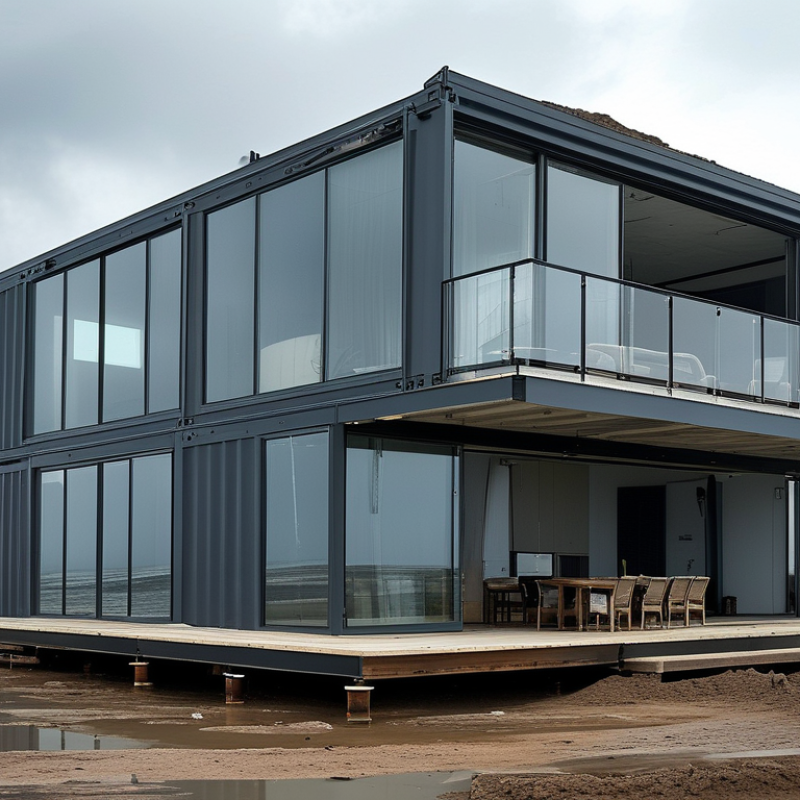
Modular houses are gaining popularity due to their efficient design. The construction process involves pre-fabricated sections built in controlled environments. This method often leads to stronger structures that can withstand various weather conditions. However, this strength hinges on the quality of materials used and the expertise of the builders.
In extreme weather, the design of modular homes plays a crucial role. Factors such as insulation and wind resistance should be prioritized. Proper insulation helps maintain a stable interior temperature. Enhanced wind resistance protects against storms and hurricanes. Yet, many modular homes may fall short in meeting these standards if not properly designed.
Despite their growing reputation, concerns remain. Some modular homes may not be tested adequately against severe conditions. Buyers should research the construction methods and materials used. It is essential to ask about certifications related to safety and durability. This knowledge can empower homeowners to make informed decisions regarding their living spaces.
| Feature | Description | Impact on Safety |
|---|---|---|
| Wind Resistance | Modular houses are designed to withstand high winds by using reinforced materials and secure anchoring systems. | High |
| Flood Resistance | Elevated foundations and moisture-resistant materials help protect against flooding. | Moderate |
| Insulation | High-quality insulation reduces energy costs and maintains safe indoor temperatures during extreme temperatures. | High |
| Roof Structure | Designed for snow and rain load, preventing structural damage during storms. | High |
| Material Durability | Use of advanced materials that are resistant to rot, pests, and decay enhances longevity. | High |
re modular houses safe in storms?
Modular homes often use lighter materials for cost savings, but this can affect stability during extreme weather.
Retrofitting can enhance durability but requires additional investment. Consider options based on local climate risks.
No, performance varies significantly. Some designs have better wind resistance, while others face challenges.
Insufficient insulation and poor design preparation can lead to issues like roof collapses in heavy snow.
Evaluate construction quality, materials, and the builder's expertise. Local climate risks should inform your decision.
Yes, some modular houses have withstood hurricanes well due to reinforced structures, but results can differ.
Experiences are mixed; many see durability, while others report challenges. It's essential to choose experienced builders.
It requires careful planning, local adjustments, and high-quality materials to truly enhance weather resistance.
Some believe all modular houses are equally resilient, but they vary greatly based on specific designs and materials.
The article "Are Modular Houses Safe in Extreme Weather Conditions?" delves into the safety and resilience of modular homes when faced with severe weather events. It begins by examining the construction and design principles unique to modular housing, emphasizing the use of specific materials that provide enhanced weather resistance. The structural integrity of these homes during storms is critically assessed, underscoring their ability to withstand high winds and heavy rains compared to traditional homes.
Furthermore, the article includes a comparative analysis highlighting the advantages and disadvantages of modular houses in extreme weather scenarios versus conventional constructions. Real-world examples illustrate how modular homes have performed in various extreme conditions, providing insights into their reliability and safety. Overall, the findings suggest that while there are considerations to bear in mind, modular houses can indeed be safe in extreme weather when built with proper standards and materials.

 Estable Living