In recent years, the topic "are modular houses safe in extreme weather" has gained significant traction. With climate-related events becoming more frequent, this question is more urgent than ever. Dr. Emily Carter, an expert in sustainable architecture, emphasizes the need for resilient housing. She states, "Modular homes can be built to withstand extreme conditions, but design and materials are crucial."
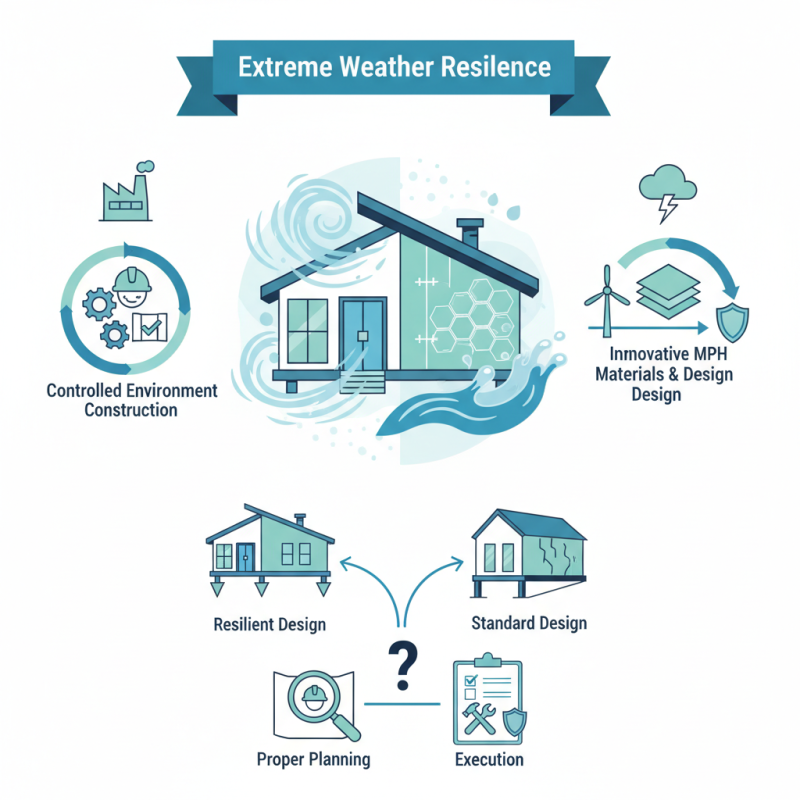
Modular houses offer unique benefits. They are constructed in controlled environments, ensuring consistent quality. Innovative materials increase durability against harsh weather. For example, high-strength panels can resist winds exceeding 150 mph. These aspects make modular homes appealing in areas prone to storms and flooding.
However, it’s crucial to note that not all modular homes are equally safe. Design variations impact performance in severe conditions. Further research is needed to standardize safety protocols. As we address the question, "are modular houses safe in extreme weather," it’s clear that proper planning and execution are essential for optimal protection.
Key Design Features of Modular Houses for Extreme Weather Safety
Modular houses are designed with resilience in mind. These structures often use advanced materials that withstand high winds and heavy rains. The use of reinforced panels enhances their durability. Many modular homes have elevated foundations, making them safer against flooding. This strategic elevation is crucial in areas prone to storm surges.
Energy efficiency is another key feature. Insulation in modular houses is superior, providing thermal protection during extreme temperature fluctuations. The windows are often triple-glazed, which minimizes heat loss. These elements contribute to a comfortable living environment, regardless of external conditions. The design allows for natural ventilation, reducing reliance on heating and cooling systems.
However, not all modular homes meet stringent safety standards. Some may skimp on quality control in manufacturing. This variability can affect long-term reliability. It's essential for buyers to research and verify the certifications of modular homes. An informed decision can lead to a safer living space during extreme weather events.
Materials Used in Modular Construction for Enhanced Durability
Modular houses are engineered to withstand extreme weather conditions using advanced materials. These materials enhance durability and provide structural integrity. For example, reinforced steel and insulated panels offer superior resistance to high winds and thermal fluctuations. According to the Modular Building Institute, modular homes can endure winds of up to 180 mph, which is crucial in hurricane-prone areas.
Wood, one of the most common materials in modular construction, has unique properties that contribute to safety. Treated wood resists moisture and pests, adding to the longevity of the structure. In a report by the National Institute of Standards and Technology, treated wood can last significantly longer than untreated counterparts, particularly in humid environments.
Tip: When considering a modular home, prioritize materials and construction techniques proven for durability in your specific climate.
Additionally, composite materials are becoming increasingly popular. They combine the advantages of traditional materials with enhancements that improve performance. For instance, some composites can expand and contract without compromising their structural integrity. However, not all composites offer the same level of protection; research is essential.
Tip: Always ask about the certifications and performance ratings of the materials used in your modular home.
Structural Innovations in Modular Homes to Withstand Severe Conditions
In recent years, modular homes have gained attention for their resilience in extreme weather conditions. These homes are designed with advanced engineering techniques that allow them to withstand hurricane winds, heavy snow loads, and seismic activity. A report by the Federal Alliance for Safe Homes indicates that modular homes can endure winds of up to 160 mph, making them suitable for hurricane-prone areas.
One key innovation is the use of reinforced materials. Many modular homes employ structural insulated panels (SIPs), which provide better insulation and strength. These panels are both energy-efficient and able to resist impacts from falling debris during severe storms. Additionally, the modular construction process allows for better quality control, ensuring that each component meets rigorous safety standards.
There are challenges, though. Some argue that the rapid construction may compromise the long-term durability of certain aspects. Furthermore, while modular homes are designed to be strong, they must be properly anchored to their foundations. Failing to secure them correctly can lead to structural failure in extreme conditions. As the industry evolves, ongoing assessments are necessary to ensure these homes adapt to changing climate threats.
Smart Technology Integration in Modular Houses for Weather Resilience
Modular houses are emerging as a reliable option for extreme weather conditions. One major advantage is their integration of
smart technology. These homes can be equipped with sensors that monitor
environmental changes. For instance, temperature fluctuations can trigger energy-efficient heating or cooling systems,
maintaining comfort and safety.
Moreover, smart technology enhances structural resilience. Some modular units have
built-in weather forecasting tools. These can alert homeowners to
impending storms, allowing timely preparations. Remote monitoring offers
peace of mind, even when residents are away. However,
integration complexity can pose challenges. Not every homeowner
may fully utilize these advanced features, which may lead to underperformance in critical situations.
Additionally, while modular houses can be strong, not all designs are equal. Builders must ensure that all technology is
up to date. Poor installation can compromise safety. It is essential for manufacturers
and homeowners to stay informed about the latest advancements. This continuous engagement can bridge gaps in performance,
ultimately enhancing resilience against nature's fury.
Case Studies: Successful Modular Homes in Extreme Weather Events
Modular homes have shown remarkable resilience in severe weather conditions. Case studies illustrate this strength. In New Orleans, many modular homes withstood Hurricane Katrina's fury in 2005. The Federal Emergency Management Agency (FEMA) documented that modular structures sustained less damage compared to traditional homes. Their innovative construction methods bolster durability, making them a sound choice for challenging climates.
Another example is in California, where modular homes proved effective during wildfires. A report from the California Office of Emergency Services found that homes built with fire-resistant materials fared better against flames. These homes maintained structural integrity even when neighboring properties were destroyed.
Despite the notable successes, challenges exist. Not all modular homes are built with extreme weather in mind. Some builders prioritize cost over quality. This can lead to vulnerabilities during intense events. Continuous evaluation of building practices and materials is essential for progress. Adapting to climate change means learning from past events to improve future designs.
FAQS
: Modular houses use advanced materials and reinforced panels for durability. Elevated foundations help prevent flooding.
They have superior insulation and triple-glazed windows to reduce heat loss. Natural ventilation further enhances comfort.
No, some may lack stringent quality controls. Researching certifications is vital for ensuring reliability.
Reinforced steel, treated wood, and advanced composites improve resistance to winds and thermal fluctuations.
Treated wood resists moisture and pests. It typically lasts longer in humid conditions than untreated wood.
Smart sensors monitor environment changes. They optimize heating and cooling, providing comfort and safety.
No, complexity may lead to underperformance. Homeowners might not utilize all features effectively.
Inquire about certifications and performance ratings to ensure durability in your specific climate.
Integrated weather forecasting tools alert homeowners, allowing timely preparations ahead of storms.
Yes, improper installation can compromise safety. Up-to-date technology is essential for effective resilience.
Conclusion
Modular houses are increasingly recognized for their safety in extreme weather conditions, which is supported by several key design features. These homes utilize durable materials specifically chosen for enhanced resilience against harsh elements, ensuring longevity and stability. Structural innovations allow modular homes to withstand severe conditions, such as high winds and heavy snowfall, by incorporating advanced architectural techniques that enhance their overall integrity.
Furthermore, the integration of smart technology plays a crucial role in weather resilience. These systems can monitor environmental changes and provide real-time alerts to occupants, improving preparedness and response during extreme weather events. Case studies of successful modular homes in various climates demonstrate their effectiveness, reinforcing the question: are modular houses safe in extreme weather? The evidence strongly suggests they are, making them a viable option for those living in vulnerable regions.

 Estable Living