Modular construction is transforming the building industry at a rapid pace. Recent market studies indicate that the modular construction sector is expected to reach $157 billion by 2023, reflecting significant growth. This growth raises the question: what are the latest trends in modular construction that buyers should be aware of?
One noteworthy trend is the increasing adoption of sustainable materials and building techniques. Many companies are prioritizing eco-friendly options to meet rising energy efficiency standards. Additionally, advancements in technology, such as building information modeling (BIM), are streamlining the design and construction process. This allows for greater precision and reduced waste. However, there are challenges, including the need for skilled labor and integration with traditional construction practices.
Another trend is the shift towards off-site construction, which offers shorter build times and lower overall costs. Despite this, some buyers are still hesitant due to initial investment concerns. This indicates a need for more education on the benefits and long-term savings associated with modular buildings. Understanding these evolving trends can empower buyers to make informed decisions in this dynamic market.
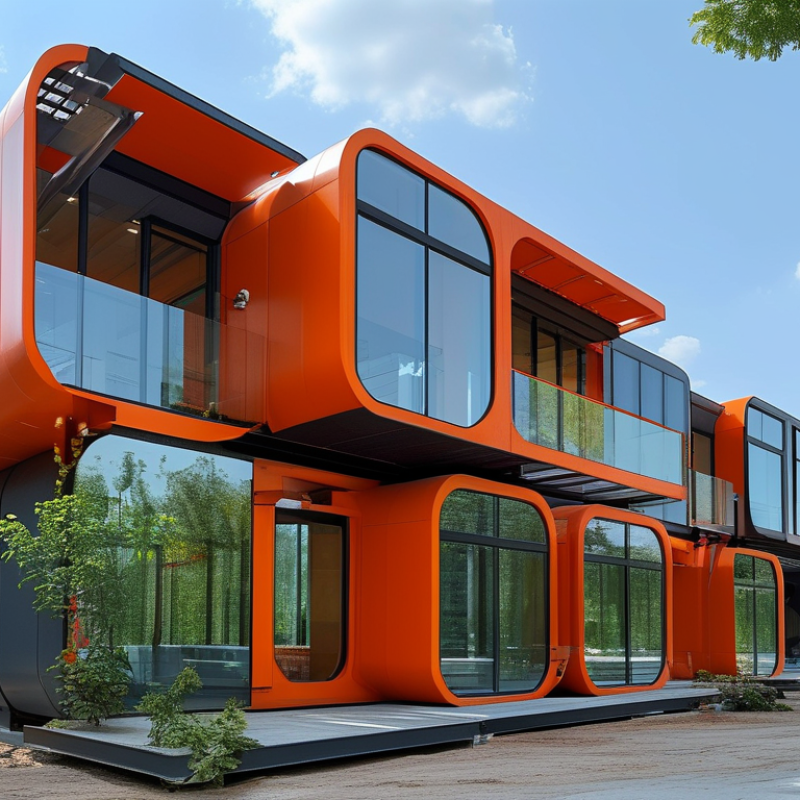
The landscape of modular construction is evolving rapidly, driven by emerging technologies. Prefabrication techniques have become more advanced. They allow for faster assembly and less waste. Digital design tools enable precise modeling of structures. This reduces errors and enhances collaboration among stakeholders.
Building Information Modeling (BIM) is also gaining traction. It helps visualize projects in 3D. This clarity can significantly improve communication. However, many teams are still adapting to this technology. Issues may arise when integrating different software platforms. Not every firm is fully equipped to handle these complexities.
Robotics and automation are on the rise in construction sites. They promise increased efficiency in labor-intensive tasks. Yet, they also raise questions about job security for workers. Balancing technology with human skills is crucial. While innovation drives progress, it also necessitates reflection on its broader impacts.
This chart illustrates the impact levels of the top 10 latest trends in modular construction. Each trend is rated on a scale from 1 to 10, reflecting its significance in shaping the future of the industry.
Sustainable materials are redefining modular construction. Buyers increasingly prioritize eco-friendly options. These materials make a difference in design and longevity. Recycled metal, bamboo, and reclaimed wood are gaining popularity. They reduce waste and promote responsible sourcing.
Using sustainable materials impacts energy efficiency. Structures built with these materials often require less energy to maintain. This can lower utility costs over time. Additionally, sustainable materials contribute to healthier indoor environments. They often have lower emissions and reduce exposure to toxins. However, sourcing can be challenging. Not all suppliers offer truly sustainable options.
Design flexibility is another consideration. While many sustainable materials offer durability, they may not fit every aesthetic. Buyers need to balance functionality with style. It’s crucial to research and choose materials wisely. The right choices can lead to incredible results, but not every eco-friendly option will suit every project. Engaging with experts can help navigate these complexities.
The rise of off-site fabrication has drastically changed modular construction. This innovative approach simplifies the building process. By constructing modules in a controlled environment, builders minimize delays caused by weather and labor shortages. This leads to faster project completion. The precision gained through factory conditions enhances quality control.
However, challenges exist in off-site fabrication. Transporting large modules can be complex. Special logistics and planning are necessary to ensure safe delivery. Additionally, there can be a disconnect between the factory and the construction site. This may result in a lack of communication that affects timelines and costs. Buyers must be aware of these potential pitfalls.
Despite these obstacles, the benefits are significant. Off-site fabrication promotes sustainability through reduced waste. Factories can recycle materials more efficiently. Furthermore, energy-efficient building practices are easier to implement. Buyers should consider how off-site methods can meet their project needs effectively.
The integration of smart home technology in modular homes is transforming the industry. Buyers now expect seamless connectivity within their living spaces. Smart thermostats, lighting systems, and security features are just a few examples. These technologies enhance the convenience and efficiency of daily living.
However, challenges exist. Not all modular homes can accommodate advanced tech easily. Installation can sometimes be complex. Homeowners may feel overwhelmed by the choices available. Ensuring compatibility between devices is crucial. This can lead to frustration if not properly managed.
Furthermore, buyers must consider the long-term implications of smart technology. Updates and maintenance can add to the overall costs. While the promise of added comfort and energy efficiency is appealing, it’s essential to evaluate whether these enhancements truly meet personal needs. Balancing modernity with practicality is key in this evolving landscape.
In the evolving world of modular construction, flexibility and customization have become essential. Buyers increasingly seek unique designs that align with their vision. Modular construction offers the chance to tailor spaces to specific needs. This adaptability not only enhances functionality but also promotes creativity.
Customization can manifest in various forms. From layout adjustments to material choices, the options are vast. Buyers can select finishes, colors, and even sustainable materials to fit their preferences. However, while customization is appealing, it can lead to challenges. Too many choices may overwhelm some buyers. It's crucial to strike a balance between personalization and practicality.
Moreover, the importance of flexibility extends beyond design aesthetics. Buyers must consider future changes. As needs evolve, modular structures should accommodate growth or alterations. This long-term vision can save time and resources. Nonetheless, buyers might overlook this aspect initially. Reflecting on future needs can lead to better investments and more successful outcomes.
: Sustainable materials include recycled metal, bamboo, and reclaimed wood. They reduce waste and support responsible sourcing.
They often require less energy to maintain, potentially lowering utility costs over time. This can be a significant advantage.
Yes, they typically have lower emissions and reduce exposure to toxins, promoting healthier indoor spaces.
Not all suppliers provide genuinely sustainable options. Buyers need to research suppliers carefully.
Many are durable but may not align with all styles. Balancing functionality and aesthetics is essential.
It simplifies building, minimizes delays, and enhances quality control through a controlled environment.
Transporting large modules can be complex, requiring special planning to ensure safe delivery.
Yes, it reduces waste and allows for better recycling practices in factories, making it an eco-friendly choice.
Engaging with experts can help address issues and ensure the right materials and methods are chosen.
A disconnect between factory and site can lead to delays and increased costs. Awareness is crucial.
In the realm of modular construction, buyers are increasingly interested in understanding what are the latest trends in modular construction that shape the industry. Emerging technologies play a significant role, introducing innovative methods that enhance efficiency and quality in building processes. Furthermore, the adoption of sustainable materials is transforming modular building design, promoting eco-friendliness and compliance with modern environmental standards.
One of the notable shifts is the rise of off-site fabrication, streamlining construction timelines and reducing waste. Additionally, the integration of smart home technology is becoming more prevalent, offering greater convenience and energy efficiency to homeowners. Finally, the emphasis on flexibility and customization allows buyers to tailor modular designs to meet their specific needs, making these structures more appealing than ever. As a result, the modular construction industry is not only evolving but also aligning closely with modern consumer demands.

Estable Living