What Industries Benefit from Collapsible Buildings?

Time:2026-05-28 Author:Isabella
0%

Collapsible buildings have become increasingly popular across various sectors. They offer unique solutions for businesses that require flexibility and efficiency. But what industries use collapsible buildings, and why do they benefit from them?

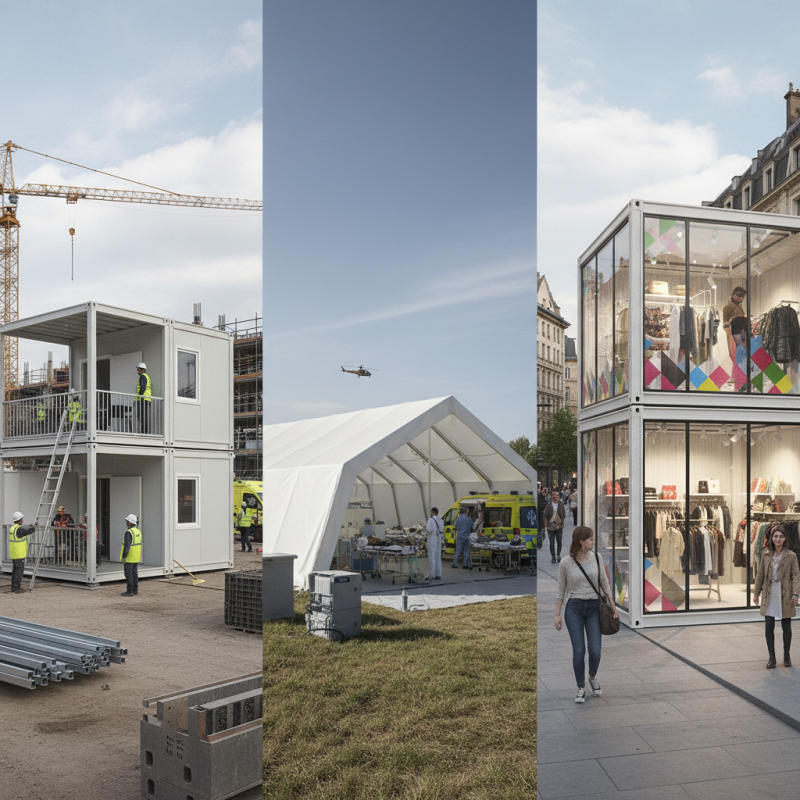
In the construction sector, these structures provide temporary sites for workers. They are easy to transport and set up. Additionally, the healthcare industry finds them valuable during emergencies. Mobile hospitals can be deployed quickly to disaster areas.

Retailers also utilize collapsible buildings for pop-up shops. These structures allow brands to enter new markets without a long-term commitment. However, some may question their durability compared to traditional buildings. In essence, collapsible buildings present innovative options but require careful consideration of their limitations.
What Industries Benefit from Collapsible Buildings?

Industries Utilizing Collapsible Buildings for Flexible Space Solutions

Collapsible buildings are gaining traction across various industries. These structures offer flexibility and rapid deployment, making them an ideal solution for businesses that require adaptable spaces. Event management companies, for example, can quickly set up and dismantle venues for festivals or conferences. This capability saves time and resources, allowing them to focus on the event's execution.

Additionally, the healthcare sector is increasingly utilizing collapsible buildings for temporary clinics or emergency hospitals. During health crises, these structures can be erected swiftly to accommodate patient surges. This adaptability ensures that healthcare providers can respond effectively, although maintaining long-term quality can be a challenge.

Moreover, the military often deploys collapsible structures for temporary bases. These buildings provide essential shelter and workspace in remote areas. However, issues such as durability and environmental impact require careful consideration. As industries explore collapsible buildings, they must balance flexibility with sustainability and reliability. The evolving landscape presents opportunities, but reflection on these challenges is necessary for long-term success.

Industries Utilizing Collapsible Buildings for Flexible Space Solutions

The Role of Collapsible Buildings in Temporary Event Management

Collapsible buildings are revolutionizing temporary event management across various industries. Their flexibility and ease of deployment make them ideal for festivals, trade shows, and sporting events. These structures can be set up quickly, providing much-needed space for amenities like restrooms, food stalls, and information booths.

When planning an event, consider the size and layout of your collapsible building. Think about foot traffic flow. Avoid making spaces too cramped, as this can lead to discomfort and frustration for attendees. Ensure that the building is strategically positioned for maximum visibility and access.

Another tip is to address weather conditions in your planning. Collapsible buildings should provide adequate protection from the elements. Use materials that are durable and can withstand wind and rain. This will ensure that your guests feel safe and comfortable throughout the event. Finally, keep sustainability in mind. Choose recyclable materials whenever possible. Evaluating these factors will enhance your event's success and leave a positive impression on attendees.

Construction and Real Estate: Adapting to Change with Collapsible Designs

The construction and real estate sectors are undergoing significant transformations. Collapsible buildings offer innovative solutions to traditional challenges. These structures provide flexibility in urban planning. They can easily adapt to changing needs, making them ideal for cities facing rapid population growth.

Collapsible designs enhance space efficiency. They allow developers to create multifunctional areas. For instance, a collapsible structure could serve as an office during weekdays and transform into a community space on weekends. This versatility attracts various industries, from tech startups to event organizers. Yet, designing these spaces requires a deep understanding of user needs and potential limitations.

Moreover, the environmental impact of collapsible buildings deserves attention. While they offer sustainable alternatives, their materials and assembly methods are vital. Not every collapsible structure is eco-friendly. Stakeholders must consider life cycle assessments and overall sustainability. As this industry evolves, it will crucially shape urban landscapes, prompting reflection on both potential and shortcomings.

Emergency Services: Quick Deployment of Collapsible Structures

Emergency services often face unpredictable situations. When disasters strike, time is critical. Collapsible structures provide a unique solution. These buildings can be quickly deployed, allowing first responders to set up operations efficiently. Whether it’s a natural disaster or a humanitarian crisis, every second counts.

These structures can serve multiple purposes. They can become medical stations, command centers, or shelters. Their mobility is a significant advantage. Emergency teams can establish a base close to the incident site. This proximity enhances communication and coordination. However, rapid deployment can have drawbacks. Not all areas are suitable for quick set-up, and terrain can complicate matters.

Additionally, training is essential. Personnel must be familiar with the setup processes. They need to practice assembling these structures under stress. Relying on collapsible buildings requires trust in the equipment. If not properly tested, they could fail when most needed. Adaptation and patience are crucial in these urgent scenarios.

Sustainable Development: Eco-Friendly Aspects of Collapsible Buildings

Collapsible buildings are reshaping the construction landscape with their eco-friendly attributes. These structures are designed for efficient resource use. They consume less material and require minimal energy during construction. This leads to a reduced carbon footprint, a critical factor in today's environmental challenges. Using sustainable materials further enhances their green profile. Many collapsible buildings are crafted from recycled elements, promoting a circular economy.

Moreover, their adaptability supports sustainable urban planning. They can be rapidly deployed in response to natural disasters. These buildings can serve as temporary shelters for displaced populations. After their primary use, they can be folded up and relocated. This flexibility addresses immediate needs without lasting environmental impact. However, the methods of construction may still leave room for improvement. More research is needed to perfect the balance between sustainability and durability in collapsible designs. As the demand for eco-friendly options grows, the industry is encouraged to innovate further.

What Industries Benefit from Collapsible Buildings?

Industry Benefits Eco-Friendly Aspects Use Cases
Construction Quick assembly and disassembly Reduced waste during construction Temporary sites, emergency shelters
Retail Flexible store configurations Energy-efficient materials Pop-up stores, seasonal markets
Healthcare Rapid deployment in crisis Sustainable medical waste management Field hospitals, mobile clinics
Education Adaptable learning environments Minimal environmental footprint Temporary classrooms, workshops
Events & Hospitality Easily reconfigurable spaces Utilization of recyclable materials Event venues, festivals

FAQS

: What are collapsible buildings used for?

: They are used for flexible space solutions in various industries.

How do collapsible buildings benefit event management?

They allow for quick setup and dismantle of venues, saving time and resources.

In what way does the healthcare sector utilize these structures?

They serve as temporary clinics or emergency hospitals during health crises.

What advantages do collapsible buildings offer to emergency services?

They enable quick deployment for medical stations, command centers, or shelters in disasters.

What challenges do collapsible buildings pose in emergencies?

Not all areas are suitable for fast setup, and training is essential for personnel.

How do collapsible buildings support sustainable development?

They use fewer materials and promote recycling, leading to a lower carbon footprint.

What role do collapsible buildings play in urban planning?

They can be rapidly deployed for temporary shelters, addressing needs without long-term impact.

Are collapsible buildings always reliable?

They require trust and proper training, as untested setups can lead to failures under stress.

What improvements are needed in collapsible building construction?

More research is required to balance sustainability with durability effectively.

How do collapsible buildings contribute to a circular economy?

They are often made from recycled elements, enhancing their eco-friendly profile.

Conclusion

Collapsible buildings offer innovative space solutions that benefit a variety of sectors. Industries such as event management utilize these structures for their ability to provide flexible venues for temporary gatherings, while the construction and real estate sectors have adapted to changing demands by integrating collapsible designs into their projects. Additionally, emergency services rely on these quick-deploy structures for rapid response in crisis situations, ensuring efficient operations when every moment counts.

Moreover, the sustainability aspect of collapsible buildings cannot be overlooked, as they present eco-friendly alternatives in construction. Their design allows for resource-efficient usage, contributing to sustainable development goals. In summary, what industries use collapsible buildings spans several key areas, highlighting their versatility and relevance in modern infrastructure solutions.

Isabella

Isabella

Isabella is a dedicated marketing professional with a sharp focus on driving brand growth and engagement through strategic content creation. With an extensive background in digital marketing, she combines her passion for storytelling with her keen understanding of industry trends to deliver......