Why Modular Construction Cuts Costs for Global Buyers?

Time:2026-10-01 Author:Aria
0%

Global buyers are asking how to reduce costs with modular construction without sacrificing quality, safety, or long-term performance. The answer begins before factory production. Early design coordination can reduce material waste, rework, and expensive site changes. A standardized bathroom pod, for example, can arrive with plumbing, finishes, and fixtures already installed. Workers then connect services instead of rebuilding each room outdoors.

Tom Hardiman, Executive Director of the Modular Building Institute, has said, “Modular construction is not a silver bullet.” That warning matters. Modular methods can lower labor costs, shorten schedules, and improve purchasing control. However, savings depend on transport distances, local regulations, factory capacity, and accurate planning. A poorly coordinated design may simply move costs from the construction site to the factory.

This article examines why modular construction can cut costs for global buyers. It will explore repeatable components, bulk procurement, reduced site disruption, and faster project delivery. It will also consider less visible expenses, including shipping, cranes, customs procedures, and on-site assembly. Small details matter. A delayed delivery can leave a crane idle for a full day. A late design change can affect dozens of identical modules.

The strongest results usually come from simple, disciplined decisions. Freeze key designs early. Confirm local standards. Inspect factories carefully. Compare whole-life costs, not only the initial quotation. The approach is powerful, but not effortless. Buyers must question assumptions and measure actual performance after completion. That reflection separates genuine savings from attractive promises.
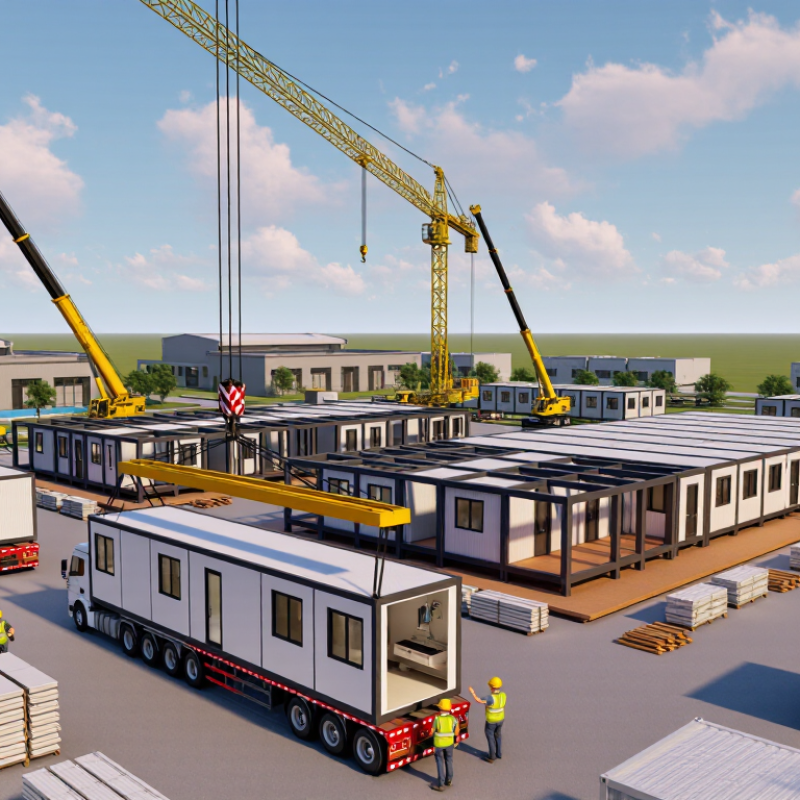
Why Modular Construction Cuts Costs for Global Buyers?

What Modular Construction Means for Global Buyers

Why Modular Construction Cuts Costs for Global Buyers?

Modular construction means producing building sections in a controlled factory, then assembling them at the destination. Workers complete floors, walls, wiring, and plumbing before delivery. This process reduces weather delays and material waste. It also creates repeatable quality checks, which help buyers compare production results across projects. For global buyers, the main advantage is coordination. A factory can prepare several modules while the site team installs foundations and utilities. This parallel work may shorten the construction schedule and reduce labor costs.

However, modular does not mean effortless. Transport dimensions, port handling, customs documents, and local building codes require early planning. A design approved in one country may need changes elsewhere. Buyers should request detailed drawings, material specifications, test records, and a clear warranty process. Independent inspections can also verify workmanship before shipment. Site access matters too. Narrow roads, cranes, or weak foundations can create unexpected expenses. Cost estimates are useful, but not perfect. They need regular review.

Tips: Compare total delivered cost, not factory price alone. Confirm taxes, shipping, installation, and local certification. Keep a small contingency budget. Ask who fixes damage discovered after arrival. Visit a production facility if practical. Small details often decide the final result.

Why Modular Construction Cuts Costs for Global Buyers

Factory-based production can shorten schedules, reduce on-site labor, and control material waste. The chart shows published industry benchmark ranges rather than company-specific results.

Reported potential ranges: up to 20% lower total project cost and up to 50% faster construction, based on industry research including McKinsey & Company’s modular construction analysis. Actual results vary by project type, location, design repetition, logistics, and local regulations.

How Modular Building Reduces Design and Production Costs

Modular construction lowers design and production costs by turning repeated building elements into controlled systems. Instead of redrawing every room, teams develop coordinated modules with fixed connection points, service zones, and tested dimensions. Designers can reuse that framework across housing, clinics, offices, and workforce facilities. This reduces drafting hours and exposes clashes before materials reach the site.

Early coordination matters. Factory production adds another saving. Workers cut panels, assemble frames, and install fixtures in a sheltered workspace. They avoid much of the weather delay, site congestion, and repeated setup found in conventional construction. Batch purchasing can reduce material prices, while measured cutting limits offcuts and disposal fees. Quality checks happen beside the production line, where defects are easier to identify and correct.

Yet modular work is not automatically cheaper. Poorly chosen dimensions can create expensive transport limits or awkward site connections. A late design change may affect several modules, not one wall. That risk deserves honest planning. Reliable estimates require local labor rates, shipping distances, crane access, foundation conditions, and code reviews. Experienced teams compare these factors before freezing the module design. They also leave carefully selected adjustment zones for plumbing, electrical routes, and finish tolerances. Small flexibility can prevent large rework. A neat spreadsheet can still hide difficult ground conditions. At one floor connection, a two-millimeter tolerance may determine whether a module fits cleanly or needs costly site work.

The Role of Standardization in Lowering International Expenses

Standardization is a major reason modular construction can reduce international expenses. Repeated module sizes, connection points, and material specifications limit redesign work. Engineering teams can reuse approved drawings instead of starting every project from zero. This shortens production schedules and lowers consulting costs. It also reduces errors between factories, inspectors, and installation crews.

In practical project reviews, standardized components often simplify purchasing and quality control. Suppliers can produce larger batches, which may improve pricing for steel frames, panels, doors, and electrical fittings. Consistent dimensions can also improve container loading. More usable components fit into each shipment, reducing freight costs per unit. Local teams receive clearer assembly instructions and need less training. However, standardization is not flawless. A fixed module may suit one climate but perform poorly in another. Local fire rules, insulation needs, and site conditions still require careful adaptation. Ignoring these details can create expensive changes later.

Tips: Define core specifications before requesting quotations. Keep connection points and service routes consistent. Check local building requirements early. Compare total landed cost, not factory price alone. Review one sample module physically before approving mass production. Small mistakes become costly when repeated. A simple revision log can prevent outdated drawings from reaching the factory. Teams should also question unnecessary customization, even when it seems convenient.

How Off-Site Manufacturing Improves Speed and Resource Efficiency

Modular construction moves much of the work into a controlled factory environment. Workers assemble wall panels, floor cassettes, and service sections beside fixed tools. This setting reduces weather delays and keeps measurements consistent. A completed module can leave the line within days, not weeks. Shorter production cycles help global buyers coordinate shipping, site crews, and financing with greater confidence. Still, factory speed does not remove every risk. Late design changes can disrupt several connected modules.

Off-site manufacturing also uses resources more carefully. Digital cutting plans can reduce timber offcuts, while repeatable processes limit excess concrete, insulation, and packaging. Indoor storage protects materials from rain, dust, and accidental damage. On a busy project site, fewer deliveries mean less idling equipment and lower local disruption. I have found that clear labeling matters as much as efficient machinery. A misplaced electrical panel can create hours of rework after installation.

Quality checks happen at several points before modules reach the site. Inspectors can verify dimensions, connections, and service routes under stable lighting. Buyers should request inspection records, material specifications, and realistic delivery schedules. These details support traceability across borders and reduce misunderstandings between suppliers and contractors. Yet modular construction is not automatically sustainable. Transport distance, lifting equipment, and unused design capacity can weaken its resource gains. Careful planning remains essential when local conditions differ from factory assumptions.

Key Factors Global Buyers Should Assess Before Ordering Modules

Why Modular Construction Cuts Costs for Global Buyers?

Global buyers should assess more than the factory price before ordering modules. McKinsey’s 2019 report, Modular Construction: From Projects to Products, found potential cost reductions of up to 20%. It also reported schedule savings of 20% to 50%. These gains depend on repeatable designs, early coordination, and stable production volumes.

Quality and compliance need careful checking. Request material certificates, welding records, factory inspection plans, and dimensional tolerances. Confirm fire ratings, insulation values, electrical standards, and structural calculations for the destination country. A module designed for a mild climate may fail approval in a seismic region. It may also need costly redesign.

Logistics can erase factory savings. Buyers should calculate container dimensions, port handling, inland transport, crane capacity, insurance, taxes, and local assembly labor. The World Bank’s Logistics Performance Index shows major differences in customs efficiency and infrastructure between markets. A delayed shipment can leave workers and equipment idle. That cost is easy to miss.

Supplier capacity matters too. Ask for production photographs, independent inspection records, warranty terms, and references from comparable climates. Factory acceptance tests should cover doors, plumbing connections, finishes, and water leakage. Do not rely on attractive renderings. The cheapest quote is not always the lowest total cost. My practical concern is simple: modular construction reduces waste, but poor planning only moves waste into transport, rework, and waiting.

FAQS

What does modular construction mean for global buyers?

Building sections are produced in a factory, then assembled at the destination. Floors, walls, wiring, and plumbing may be completed before delivery. Factory work and site preparation can happen together. This can shorten the schedule.

How can modular construction reduce total project costs?

Factory production may reduce weather delays, material waste, and repeated labor. Standardized components can also lower design and purchasing costs. A low factory price can mislead. Buyers must include shipping, taxes, installation, inspections, and local certification.

Why is standardization important in international projects?

Repeated module sizes and connection points reduce redesign work. Consistent dimensions can improve container loading and simplify installation. Workers receive clearer instructions. However, fixed designs may not suit every climate or site.

What should buyers check before requesting quotations?

Define module sizes, connection points, materials, and service routes. Confirm local fire, insulation, and structural requirements. Request drawings and test records. Small details matter.

How does off-site manufacturing improve project speed?

Factory teams can assemble wall panels, floor sections, and service areas under stable conditions. Site crews can prepare foundations and utilities simultaneously. A module may leave production within days. Late design changes can still disrupt several connected modules.

What quality documents should international buyers request?

Ask for material specifications, inspection records, detailed drawings, and realistic delivery schedules. Check dimensions, connections, and service routes before shipment. An independent inspection can identify poor workmanship early. It is not perfect, but it helps.

What transport and site problems can increase expenses?

Narrow roads may prevent module delivery. Port handling, customs documents, and crane access need early planning. Weak foundations can cause additional work. A beautiful module is useless if the site cannot receive it.

Is modular construction automatically sustainable?

No. Digital cutting can reduce timber waste, and indoor storage protects materials. Fewer site deliveries may reduce local disruption. Long transport distances, lifting equipment, and unused capacity can reduce these benefits. The assumption needs testing.

Conclusion

Modular construction offers global buyers a practical way to control budgets while maintaining consistent quality and reliable delivery. Instead of building every project entirely on-site, modular systems use repeatable designs and factory-made components that can be assembled efficiently in different locations. This approach helps buyers understand how to reduce costs with modular construction by limiting material waste, shortening labor requirements, and reducing delays caused by weather or site conditions. Standardized dimensions and production processes also simplify international sourcing, packaging, shipping, and installation.

Off-site manufacturing improves resource efficiency because materials are measured and used in a controlled environment, while multiple modules can be produced at the same time. Before placing an order, global buyers should assess local building codes, transportation routes, customs requirements, climate conditions, installation capabilities, customization needs, and long-term maintenance. Careful planning in these areas can prevent unexpected expenses and ensure that modular buildings deliver lasting value across different markets.

Aria

Aria

Aria is a dedicated marketing professional with a deep passion for innovative strategies and a keen understanding of our company's product offerings. With a wealth of experience in the industry, Aria excels at crafting engaging content that highlights the unique features and benefits of our......