In recent years, modular housing has gained widespread attention. However, ensuring quality in these projects remains a challenge. Understanding how to ensure quality in modular housing projects is crucial for builders and stakeholders alike. Many projects fall short due to inconsistent materials and craftsmanship.
Designing a modular home involves various stages, such as planning, production, and assembly. Each stage requires strict adherence to quality standards. Despite advancements, issues like miscommunication between manufacturers and builders can still arise. It is essential to establish clear guidelines and protocols from the start. Doing so can help mitigate potential risks.
Quality assurance in modular housing also involves regular inspections. These inspections can reveal flaws in design or materials early on. However, not all projects prioritize this step, leading to problematic outcomes. Striving for excellence requires constant reflection and improvement. Quality should never be compromised.
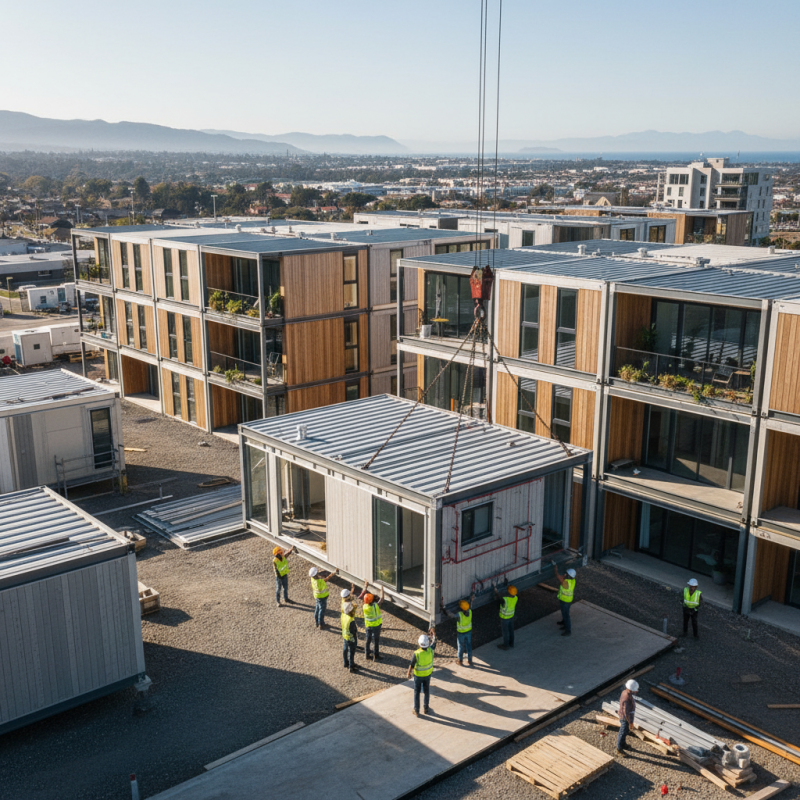
Understanding Modular Housing: Definition and Global Trends
Modular housing represents a transformative approach to construction. Defined as prefabricated sections built off-site, this method allows for faster assembly on location. According to the Modular Building Institute, the industry is projected to grow by 25% over the next five years. Countries like the United States and Sweden are leading in this trend, but challenges remain.
Quality assurance across different regions presents a dilemma. Standards vary significantly, causing inconsistencies in durability and safety. Reports from the International Organization for Standardization suggest a lack of universal codes complicates this issue. Craftsmanship can differ widely, impacting long-term performance. Each modular unit must be monitored rigorously during production.
Adopting advanced technology could address some concerns. Integrating IoT sensors during the build process can enhance quality control. Data analytics can help identify defects early on. However, it's important to remember that technology alone cannot guarantee quality. Human oversight remains crucial, given the complexity of construction environments and varying local practices. Balancing innovation and tradition requires continuous reflection in the modular housing sector.
Key Quality Standards for Modular Housing Construction
Quality standards in modular housing construction are crucial for success. A recent report by the Modular Building Institute indicates that modular construction can reduce waste by 30% and improve efficiency by up to 50%. These advantages highlight the importance of adhering to established quality standards. Builders must ensure compliance with local and international regulations. Certifying bodies play a vital role in evaluating materials and processes used in construction. This ensures safety and sustainability.
Key quality standards include ISO 9001 for quality management and ISO 14001 for environmental management. Implementing these standards can enhance product reliability. However, many companies face challenges in meeting these standards consistently. For example, a survey by McKinsey shows that 70% of modular housing projects encounter delays due to quality control issues. This raises concerns about proper training and workforce preparedness.
Investing in technology can help improve quality assurance. For instance, utilizing Building Information Modeling (BIM) can streamline design and construction phases. Yet, not all companies adopt such innovations, leading to potential inefficiencies. Striking a balance between speed and quality is essential. As the modular housing industry continues to grow, maintaining a commitment to quality standards will determine long-term success.
Essential Materials and Techniques for Quality Assurance
Ensuring quality in modular housing projects globally requires a keen understanding of essential materials and techniques. The right materials directly impact durability and sustainability. For example, high-grade steel and eco-friendly insulation contribute to long-lasting structures. It's crucial to source materials from reliable suppliers who prioritize quality over cost.
When selecting materials, always consider local climate conditions. Different regions require specific adaptations in materials to withstand environmental challenges. For instance, using moisture-resistant materials can prevent mold in humid areas. It's also vital to ensure that these materials meet international standards. This ensures safety and reliability across different markets.
Tips: Regular inspections during construction can highlight issues early. Engage local experts who understand regional challenges. Always document the sourcing process for accountability. Streamlining communication channels among all stakeholders enhances transparency. Quality in modular housing is not just about specifications; it's also about collaboration and shared responsibility. Building a quality home is a journey, not a destination.
Implementing Quality Control Processes in Modular Projects
Implementing effective quality control processes in modular housing projects is crucial for success. These projects require rigorous oversight to ensure that every component meets established standards. Quality checks should be integrated at every stage, from design to construction and final assembly. This ensures that no deficiencies are overlooked.
Regular inspections should be conducted throughout the modular construction process. These can include material quality assessments and structural integrity checks. Engaging expert auditors can enhance trust in the quality control measures. It's important to remain open to feedback from construction teams and engineers. They often provide valuable insights that can identify potential issues before they escalate.
Documentation plays a pivotal role. Keeping detailed records of inspections and modifications adds transparency to the process. However, it's essential to review these documents regularly and not become complacent. Even the best plans can have flaws. Addressing these shortcomings requires a commitment to continuous improvement and adaptability in methods. This can help ensure that the final product not only meets but exceeds expectations.
Stakeholder Collaboration for Achieving Global Quality Standards
In modular housing projects, collaboration among stakeholders is vital. Developers, architects, contractors, and local authorities must align on quality standards. Each party brings unique insights and experiences. Frequent communication can bridge gaps, ensuring everyone is on the same page. Regular meetings help to iron out misunderstandings. Yet, time constraints often challenge this collaboration.
Quality assurance should be a shared responsibility. Engaging all stakeholders early can prevent later issues. For instance, early design reviews can identify potential problems. However, conflicting interests may arise, leading to friction. Trust is essential in these relationships. Building a culture of transparency may help foster this trust.
Furthermore, ongoing training for all involved is crucial. This education can help everyone understand the latest quality standards. Not all team members are equally informed, leading to inconsistencies. A collaborative platform for sharing knowledge can address this issue. It’s worth noting that not every collaborative effort yields perfect results. Regular assessments can highlight areas for improvement.
FAQS
: Modular housing is constructed from prefabricated sections built off-site. These sections are assembled quickly on location.
The industry is projected to grow by 25% in the next five years. This growth reflects increasing global interest in construction efficiency.
Quality assurance varies across regions, causing durability and safety issues. Inconsistencies complicate construction and project completion.
Using IoT sensors can improve quality control during construction. Data analytics can help identify defects early in the process.
Yes, key standards include ISO 9001 and ISO 14001. These standards ensure safety and sustainability in construction practices.
Many companies struggle with compliance. A survey revealed that 70% of modular housing projects face delays due to quality control issues.
Certifying bodies evaluate materials and processes. They ensure compliance with safety and quality standards in construction.
Modular construction can cut waste by 30%. This is due to more efficient building processes and better material management.
Human oversight is crucial. Complexity and varying local practices require careful monitoring beyond what technology alone can provide.
The industry must balance speed and quality. Innovation is essential, but a commitment to quality standards is vital for success.
Conclusion
To address the question of how to ensure quality in modular housing projects globally, it is essential to first understand the definition and emerging trends in modular housing. Recognizing key quality standards specific to modular construction is crucial, as these standards guide the overall quality assurance process. Utilizing essential materials and advanced techniques not only supports the durability and safety of modular units but also enhances their aesthetic appeal.
Implementing rigorous quality control processes throughout the modular project lifecycle is vital to maintaining high standards. Furthermore, fostering stakeholder collaboration ensures that everyone involved, from designers to contractors, adheres to these global quality standards. This comprehensive approach enables the successful delivery of high-quality modular housing solutions that meet diverse needs across different markets.

 Estable Living