Designing a modular housing project requires careful planning and creativity. Understanding how to design a modular housing project begins with recognizing the benefits of modular construction. These homes can be built faster and are often more affordable than traditional methods.
Developing a successful project involves several key elements. Consider the location, zoning laws, and sustainability features. Each detail matters. Collaborating with experienced architects and builders can lead to innovative designs. It is essential to focus on quality materials and efficient processes.
However, not all projects turn out as planned. Challenges may arise during construction or in meeting client expectations. Analyzing these challenges can provide valuable lessons. A successful modular project not only meets immediate needs but also adapts to future trends. Embracing flexibility in design can lead to lasting success.
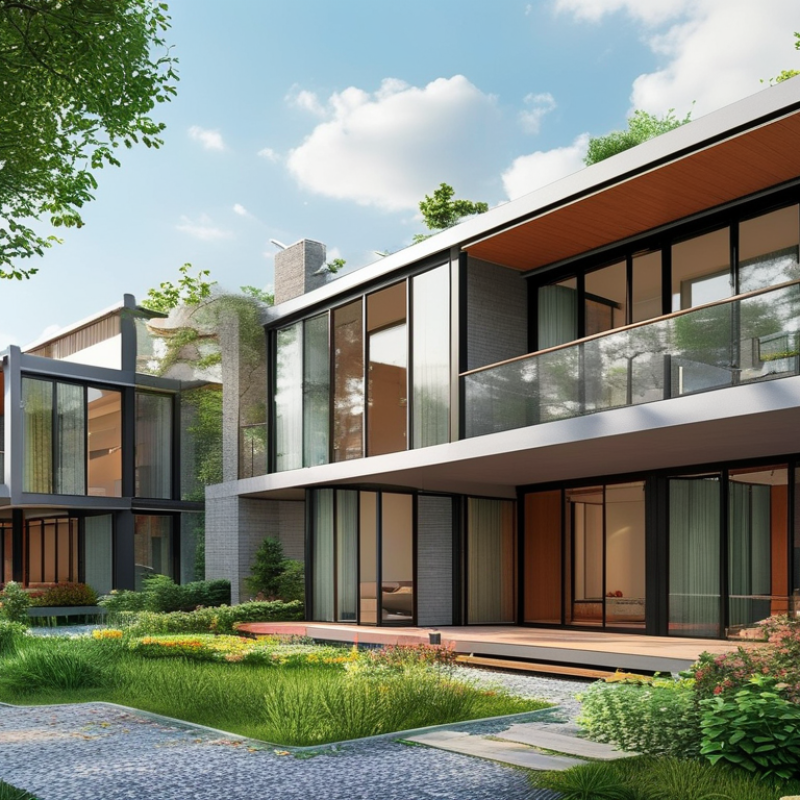
Modular housing is revolutionizing the construction industry. This innovative approach offers a range of key features that set it apart from traditional building methods. One standout feature is efficiency in construction time. Modular homes are built in units or modules, allowing for simultaneous site preparation and construction. This can significantly reduce the overall build time. Additionally, these structures are designed for quality control, as most modules are created in a factory setting, ensuring improved craftsmanship.
The benefits of modular housing extend beyond speed. These homes often produce less waste, which is a significant advantage. The manufacturing process allows for more precise calculations, resulting in fewer materials being discarded. Moreover, modular homes can be energy-efficient. Many designs incorporate sustainable materials and systems that decrease energy consumption. However, some may overlook the importance of local building codes and site constraints. Understanding these factors is essential for the success of any modular housing project.
Some challenges can arise during the installation phase. Weather conditions can affect the timeline and the overall integrity of the home. It is crucial to address these potential issues early in the planning process. Modular housing is an exciting option, but it requires careful consideration and expertise to navigate its complexities. Designers and builders should remain adaptable to create successful, livable structures.
Market analysis is crucial when embarking on a modular housing project. Understanding demand helps in making informed decisions. Research on local demographics provides insights into potential buyers. Are they young families or retirees? This affects design choices and marketing strategies.
Trends are also pivotal. Sustainable practices are gaining traction in housing. Many buyers prefer eco-friendly materials and energy-efficient designs. Consider how this impacts construction costs versus long-term value. It's a balancing act that demands flexibility in planning. A successful project adapts to shifting demands and incorporates feedback from potential clients.
Exploring market competition is essential. Analyze similar projects: what worked well and what didn’t? Identifying gaps in the market can present opportunities. Your project might cater to underserved areas or demographics. Each discovery can shape unique selling points. Understanding your project's positioning can distinguish it from others, enhancing its appeal and viability.
| Year | Market Size (USD Billion) | Growth Rate (%) | Key Drivers |
|---|---|---|---|
| 2021 | 30.5 | 5.2 | Affordable Housing Demand |
| 2022 | 32.8 | 7.5 | Sustainable Building Practices |
| 2023 | 35.2 | 8.0 | Increasing Urbanization |
| 2024 | 38.0 | 7.9 | Government Incentives |
| 2025 | 41.5 | 9.2 | Technological Innovations |
Designing flexible and sustainable modular housing units requires a thoughtful approach. Focus on creating spaces that adapt to different needs. Use materials that are both durable and environmentally friendly. This not only reduces your carbon footprint but also ensures long-term value.
Flexibility should be a core principle. Design rooms that can serve multiple purposes, like a living area that transforms into a guest bedroom. This adaptability allows homeowners to maximize space. Consider the flow of natural light. Large windows enhance the ambiance and energy efficiency of the homes.
While striving for innovation, remember that not every idea will succeed. Sometimes, designs may feel too rigid or not as functional as intended. It’s essential to gather feedback and adjust accordingly. Emphasizing a user-centered approach can lead to improvements and a better final product. Engage with potential residents during the design phase. Their insights can make a significant difference in the functionality of the space.
Navigating zoning and building codes is crucial for a successful modular housing project. These regulations vary greatly by location. Failing to comply can lead to delays and extra costs. For instance, a report by the Modular Building Institute noted that up to 50% of project delays stem from regulatory issues.
Understanding local zoning laws is essential. They dictate land use, density, and building height. Different areas may have distinct restrictions. Be proactive in obtaining necessary permits. Research shows that well-prepared projects experience 30% fewer compliance delays.
Tips: Always consult local planners early. They can provide crucial insights into regulatory expectations. Also, consider community input. Engaging with residents helps identify potential concerns and eases the approval process.
Stay informed about building codes. These ensure safety and structural integrity. Ignoring them can lead to unsafe conditions and potential liability. A survey from the National Association of Home Builders indicated that 68% of builders encounter hurdles with compliance. Regular training for your team can mitigate these challenges.
Budgeting for a modular housing project requires careful planning and accurate cost estimation. Consider the materials needed, such as sustainable wood or energy-efficient insulation. Prices can vary widely depending on local suppliers and market conditions. Aim for a contingency fund of at least 10% for unexpected expenses. This buffer can make a significant difference.
Labor costs are another critical factor. Skilled labor tends to be more expensive, but cutting corners might lead to problems later. Evaluate the experience level of your workforce. Insufficient expertise can result in mistakes that cost more in the long run. Use detailed project timelines to forecast labor needs accurately.
Don’t forget permits and regulatory fees. These can be a considerable portion of your budget. Research local housing regulations well ahead of time. Sometimes, permits can take longer than expected, causing delays and additional costs. Moreover, track your spending closely throughout the project. This practice ensures you stay within budget and can identify areas needing adjustments. Building a modular home is an intricate balance of cost, quality, and time.
: Market analysis helps understand demand and make informed decisions regarding potential buyers and trends.
Demographics identify buyer types, like families or retirees, which impacts design and marketing strategies.
Sustainable practices and eco-friendly materials are increasingly preferred by buyers looking for energy-efficient homes.
Analyzing similar projects reveals successful strategies and market gaps that can be leveraged for a unique appeal.
Creating adaptable spaces using durable, eco-friendly materials ensures long-term value and reduces the carbon footprint.
Engaging potential residents during the design phase reveals insights that enhance functionality and user experience.
Compliance with these regulations is critical; non-compliance can lead to costly delays and safety issues.
Early consultations provide insights into regulatory expectations, reducing the chance of compliance delays.
Understanding building codes ensures safety and structural integrity, preventing potential liabilities and complications.
Many builders encounter hurdles with regulations; regular training can help mitigate these challenges effectively.
Designing a successful modular housing project involves several critical steps. Firstly, it's essential to understand the key features and benefits of modular housing, which include flexibility, sustainability, and efficiency in construction. Conducting a thorough market analysis allows developers to evaluate the demand and current trends in modular housing, ensuring that the project aligns with potential buyers' needs.
Furthermore, adhering to design principles that focus on creating flexible and sustainable modular units is crucial. This includes incorporating eco-friendly materials and adaptable layouts. It’s also important to navigate regulatory compliance by understanding zoning and building codes that may affect the project. Finally, accurate cost estimation is necessary for budgeting the entire modular housing project, ensuring that all aspects are financially viable. By integrating these elements, one can effectively learn how to design a modular housing project that meets market demands and regulatory requirements.
Estable Living