As the housing market evolves, homebuyers are increasingly turning to modular homes for their affordability and quick assembly. The question arises: can modular homes be customized? Brian Thompson, an expert in modular home construction, asserts, “Customization is becoming a key feature in modern modular design.” His insight sheds light on a critical aspect of this industry.
Customization options in modular homes have expanded significantly. Buyers can choose layouts, finishes, and even sustainable materials. However, the level of customization varies by manufacturer. Some offer extensive choices, while others provide limited options. This can lead to frustration for potential homeowners who desire unique designs.
While modular homes provide flexibility, it’s essential to approach customization with care. Not all features may be feasible due to structural constraints or budget limits. Understanding these challenges is crucial. Customization can enhance homeowner satisfaction, yet it requires careful planning and clear communication with builders.
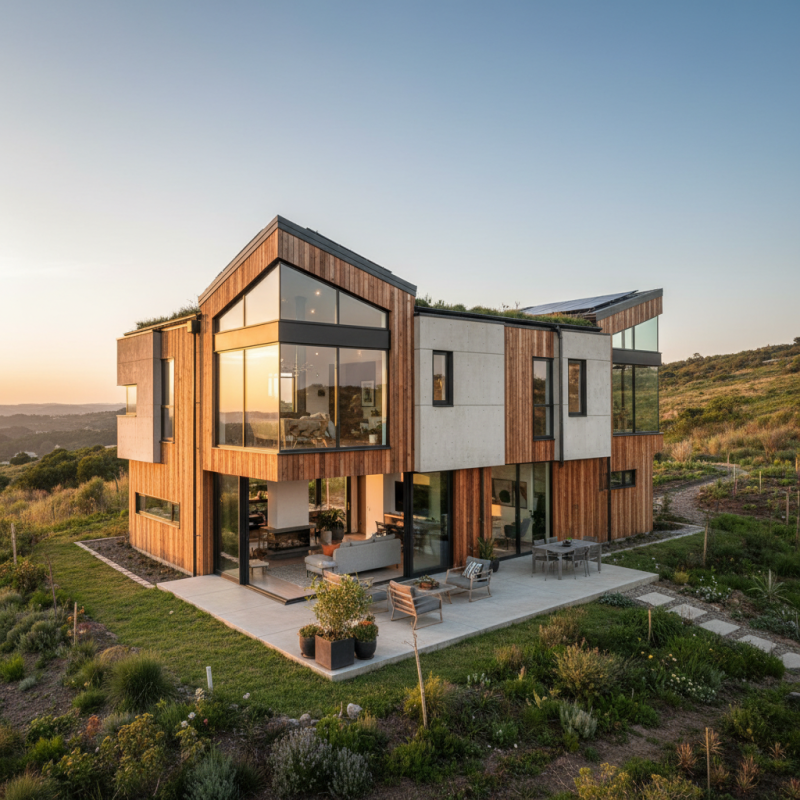
Understanding Modular Homes: An Overview
Modular homes have gained popularity due to their efficiency and flexibility. These homes are built off-site in sections, or modules, then assembled on-site, which reduces construction time by up to 30%. According to a report from the Modular Building Institute, the modular construction market is expected to grow by 6% annually. This indicates a strong trend towards modular living.
Customization is a key attraction of modular homes. Buyers can select layouts, materials, and amenities to suit their lifestyle. A survey found that 80% of homeowners prefer features like energy efficiency and open floor plans. Modular homes can also incorporate smart technology easily, enhancing their appeal. However, not all builders offer extensive customization options, which can lead to limitations.
**Tip:** When considering a modular home, identify non-negotiable features early in the process. This helps ensure your needs are met without getting overwhelmed by choices.
Despite these advantages, challenges remain. Not all modular homes are built to the same standards, leading to potential quality issues. Researching builders is essential. Reviews and certifications from industry bodies can help gauge reliability.
**Tip:** Always ask for examples of previous projects. Visiting these homes can provide insight into the builder’s capabilities.
Can Modular Homes Be Customized for Your Needs? - Understanding Modular Homes: An Overview
| Feature |
Customization Options |
Benefits |
| Floor Plan |
Open concepts, room placement, number of rooms |
Tailored living space for family needs |
| Exterior Design |
Choice of siding, roofing, porch styles |
Improved curb appeal and personalization |
| Interior Finishes |
Cabinet materials, flooring options, paint colors |
Aesthetic value and personal style reflection |
| Energy Efficiency |
Solar panels, insulation types, appliance choices |
Lower utility costs and eco-friendliness |
| Additional Features |
Basements, decks, advanced technology systems |
Enhanced functionality and lifestyle quality |
The Process of Customizing Modular Homes
Customizing modular homes involves a detailed and thoughtful process.
Each stage is essential for creating a living space that meets your unique needs. Often, it starts with an initial consultation. This allows homeowners to express their preferences and requirements.
During this phase, it’s crucial to consider elements like layout, number of rooms, and functionality. Some clients emphasize the kitchen, while others prioritize open spaces. Each decision shapes the final design.
The next step is selecting materials and finishes. Homeowners can choose from various options, ranging from flooring to cabinetry. It’s important to balance
aesthetics with practicality.
Some may lean towards trendy materials but later regret their durability or maintenance needs. Mock-ups and samples can help visualize choices, fostering decisions that align with lifestyle. Design professionals often provide useful insights.
Their experience can prevent common pitfalls.
After settling on a design, the construction phase begins. Communication with builders is vital here. Regular updates ensure that the project stays on track. However, unforeseen challenges may arise,
like supply chain delays.
Reflecting on these moments can lead to better preparedness in the future. Flexibility can be an asset, allowing adjustments along the way. Embracing this journey often results in a home that truly reflects the owner's personality and needs.
Key Features and Options for Modular Home Customization
Modular homes offer unique customization options for prospective homeowners. You can choose various layouts, sizes, and designs to suit your specific needs. Many manufacturers allow customers to personalize their homes with different exterior finishes, such as brick, siding, or wood. The choice of windows, doors, and roofing materials can also reflect your style.
Consider the interior features you desire. You can select flooring, cabinetry, and countertops based on your preferences. It’s essential to think about the functionality of spaces. For example, an open concept can enhance social interaction, while separate rooms may provide privacy.
Tip: Always ask for a detailed list of options before finalizing decisions. It helps to visualize the overall design. Engage with a professional who has experience in modular home customization. They can offer valuable insights and avoid common pitfalls. Don’t rush the process; take your time to ensure that your home meets your needs.
Benefits of Personalized Modular Homes for Homeowners
Modular homes offer a unique opportunity for customization. Homeowners can tailor layouts and finishes to reflect their personal style. Statistics show that about 70% of homebuyers prefer custom options. This preference indicates a shift towards individualized living spaces. The flexibility of modular homes allows for various design choices, from room sizes to exterior finishes.
Personalized modular homes can enhance comfort and functionality. For instance, 40% of homeowners cite functionality as a top priority when designing their homes. By customizing features like kitchen layouts, families can maximize their everyday efficiency. Some opt for open floor plans, while others prefer distinct, separate spaces. Customization meets the diverse needs of families.
Moreover, custom modular homes can positively impact resale value. A study found that homes tailored to market preferences often sell for up to 15% more than standard models. This trend reflects the growing demand for personalized living experiences. As homeowners invest in their ideal homes, they also contribute to a sustainable building industry, making informed choices that increase their property value.
Considerations When Customizing Your Modular Home Design
When customizing a modular home, several factors come into play. The layout is key. Homeowners must decide on the size and structure that fit their lifestyle. According to the Modular Home Builders Association, about 80% of modular homes are adaptable in design. This gives buyers the freedom to create spaces that suit their needs. However, it requires careful planning to avoid overextending.
Another consideration is energy efficiency. Reports indicate that modular homes can be 15-20% more energy-efficient than traditional builds. This makes it essential to choose the right materials and systems. Incorporating renewable energy options can enhance long-term savings. It's crucial to weigh these factors against your budget. A balance needs to be struck between personalization and practicality.
Incorporating technology is becoming popular. Smart home features can increase convenience but may add to costs. This requires reflection on what features really enhance daily life. Choosing customizations that offer value, instead of just luxury, is important. Think about your future needs, too. Trends often change, and what seems necessary today may not fit tomorrow’s lifestyle.
Customization Options for Modular Homes
FAQS
: It starts with an initial consultation to discuss preferences and requirements.
Choosing materials impacts both aesthetics and practicality. Durability should not be overlooked.
The layout should reflect lifestyle needs, like openness for socializing or privacy in separate rooms.
Issues like supply chain delays may arise, requiring flexibility and communication with builders.
They provide insights that can prevent common mistakes and help visualize the overall design.
It’s key to select materials that enhance efficiency, which can lead to long-term savings.
Consider what smart features genuinely enhance daily life without escalated costs.
Careful planning and balancing personalization with practical needs are essential to staying within budget.
Trends change, and what is necessary today may not fit tomorrow's lifestyle or needs.
Conclusion
Modular homes offer a versatile housing solution that can be tailored to meet individual needs, raising the question, "Can modular homes be customized?" The process of customization involves selecting key features and options that align with homeowners' preferences and lifestyles. This can include layout adjustments, material choices, and energy-efficient installations, all of which contribute to a more personalized living environment.
The benefits of customizing modular homes are substantial, allowing homeowners to create spaces that reflect their unique tastes and requirements. Furthermore, considerations such as zoning laws, budgeting, and site preparation play an essential role in the customization process. By understanding these elements, homeowners can effectively design modular homes that not only meet their needs but also enhance their quality of life.

 Estable Living