When considering how to choose between container homes and prefab houses, you face a significant decision. According to Alex Johnson, an industry expert in sustainable housing, “Both options have unique benefits and challenges.” His insight highlights the complexity involved in this choice.
Container homes often offer innovative designs. They are durable and eco-friendly. However, they may require extensive renovations and modifications. The heat insulation might not be optimal. On the other hand, prefab houses are typically built using conventional materials. They can be more comfortable but may lack the uniqueness of container homes.
While personal needs and site conditions matter, understanding the pros and cons is essential. Assess what aligns best with your lifestyle. Each option invites deep reflection on space, budget, and environmental impact. Choosing wisely changes the living experience dramatically.
Key Differences Between Container Homes and Prefab Houses
When considering container homes vs. prefab houses, there are important distinctions. Container homes utilize repurposed shipping containers. They offer a modern aesthetic and can be eco-friendly. However, they often come with insulation and ventilation challenges. Customization can be limited by the structure's size and shape.
Prefab houses, on the other hand, are built from factory-produced sections. They tend to offer a wider range of styles. The typical construction time is shorter. However, they can be more expensive than container homes. While they usually provide better insulation, some designs might compromise on eco-friendliness.
Both options require careful thought. Container homes can seem cooler, but functionality is key. Prefab houses may offer comfort, but at a cost. Weighing these factors will help in making a clear choice.
Cost Comparison: Container Homes vs. Prefab Houses
When considering a new home, the cost can heavily influence your decision.
Container homes often appear cheaper. They can be constructed quickly and require fewer materials. Prefab houses, on the other hand, provide more customization options. This flexibility often results in higher expenses.
One aspect to weigh is the location. Container homes may require special permits. Understanding local regulations is essential. Additional costs can arise if you need to renovate land for placement.
Prefab houses usually come with more straightforward zoning rules. Yet, their transportation costs can add up.
Tips: Keep an eye on the hidden costs. Container homes may need insulation and upgrades for plumbing.
Prefab houses allow for easier furniture installation. Consider your lifestyle needs. Are you comfortable in smaller spaces? Or do you need more room to grow?
This decision requires reflection. Ensure you understand what suits your long-term vision.
Design Flexibility: Customization Options for Each Type
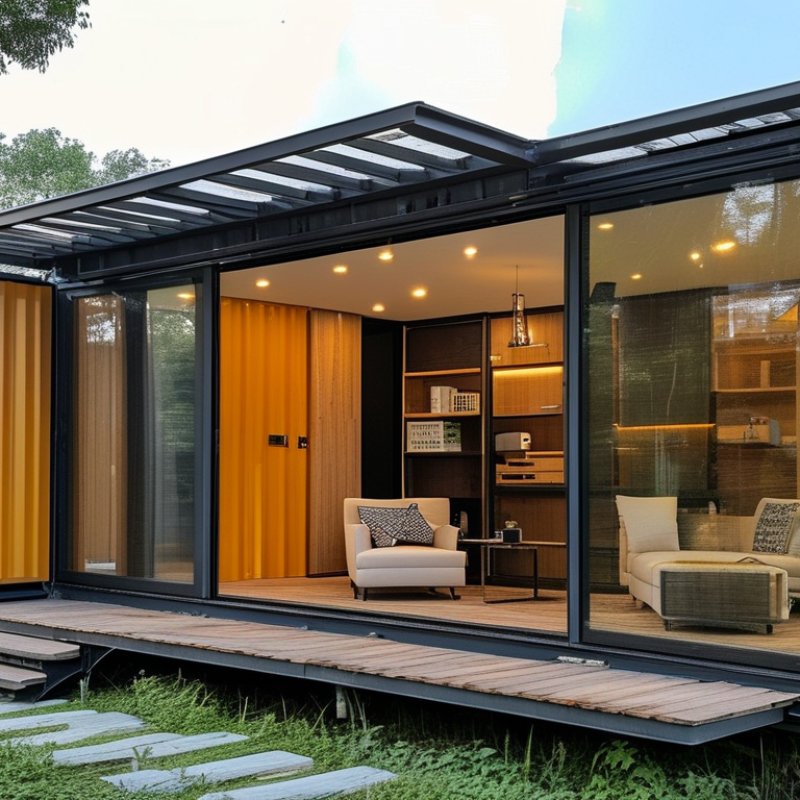
When considering container homes and prefab houses, design flexibility is crucial. Container homes often allow for unique layouts. You can stack them, arrange them in clusters, or even create multi-level designs. Their modular nature offers a canvas for creativity. Some owners choose to paint the exteriors bold colors, while others incorporate large windows for natural light.
Prefab houses, however, excel in customization options as well. They typically offer various design packages. Buyers can select finishes, flooring, and layouts. Spacious floor plans are available, catering to families of different sizes. Some opt for sustainable materials to enhance eco-friendliness. The construction is often quicker, but the challenge comes with less freedom in altering the core framework.
Both options have their strengths. Container homes can feel industrial and may lack the coziness found in traditional structures. On the other hand, prefab houses might stick too closely to conventional aesthetics. Clients need to assess what feels right for them. The beauty lies in personal preference and how each style aligns with individual lifestyles.
How to Choose Between Container Homes and Prefab Houses? - Design Flexibility: Customization Options for Each Type
| Feature |
Container Homes |
Prefab Houses |
| Design Flexibility |
High; can create multiple levels and unique shapes |
Moderate; often comes in predefined designs |
| Customization Options |
Extensive customization with insulation, windows, and fixtures |
Limited to factory-designed options and upgrades |
| Construction Time |
Quick setup; retrofitting can take longer |
Faster construction with less site work needed |
| Cost |
Generally more affordable for DIY projects |
Higher initial costs; includes labor and transport |
| Sustainability |
Recycled materials; reduces carbon footprint |
Energy-efficient options available, but varies |
Sustainability and Environmental Impact of Both Housing Types
When exploring sustainability in housing, container homes and prefab houses offer unique benefits and challenges. Container homes are often made from repurposed shipping containers. This means they reuse materials that would otherwise end up in landfills. They can be designed to minimize waste and can be constructed quickly. However, insulation can be a problem. These homes may require additional energy for heating and cooling, which raises concerns about long-term energy use.
Prefab houses are manufactured in factory settings. This allows for controlled production processes, reducing waste during construction. The materials used can be designed for efficiency, including high-quality insulation. Choices like solar panels and energy-efficient windows can further enhance their sustainability. Yet, prefab homes often rely on traditional building materials, which may limit their eco-friendliness. Additionally, transporting these homes to their final location can contribute to carbon emissions.
Both options have their environmental pros and cons. Selecting between container homes and prefab houses involves weighing their sustainability metrics. Consider the local climate and personal lifestyle. Long-term impacts are significant. Evaluating energy use and material sources is crucial for making a responsible decision.
Comparison of Sustainability and Environmental Impact: Container Homes vs Prefab Houses
Construction Timeframes: Speed of Building Container vs. Prefab Homes
When considering construction timeframes,
container homes and
prefab houses
differ significantly. Container homes typically require less time to build.
Reports suggest that you can complete container projects in as little as
12 weeks.
This quick turnaround is appealing for those who need immediate housing solutions.
Prefab homes, in contrast, take about
16 to 24 weeks
for construction. While these homes may offer more customization, the process
can prolong due to manufacturing and assembly. As per industry studies, approximately
60% of prefab projects face delays,
attributed to various factors like weather and logistics. This unpredictability might deter
some buyers who prioritize rapid habitation.
Moreover, container homes often use
recycled materials,
which can expedite the building process. While they support sustainability,
choosing materials wisely is crucial to avoid structural compromises.
Prefab homes generally have more stringent quality controls, adding time to the
process but enhancing reliability. It’s essential to weigh these aspects against
your urgency and long-term goals.
FAQS
: Container homes offer unique layouts. They can be stacked or clustered creatively.
Prefab houses provide various design packages. Buyers can choose finishes and layouts.
Container homes can be built in as little as 12 weeks. They're quicker than prefab houses.
Prefab homes take 16 to 24 weeks. Delays are common due to manufacturing issues.
Yes, container homes often use recycled materials. This supports sustainability but requires careful choices.
Prefab homes allow some custom options. However, altering their core framework is often limited.
Container homes can feel industrial. They might lack the warmth of more traditional structures.
Around 60% of prefab projects experience delays. Weather and logistics are major contributing factors.
It's important for clients to assess what feels right. Each style should align with individual lifestyles.
Weigh urgency against long-term goals. Quick builds may sacrifice some flexibility in design choices.
Conclusion
When considering how to choose between container homes and prefab houses, it's essential to understand the key differences between these two innovative housing options. Container homes typically offer a modern aesthetic and are made from repurposed shipping containers, while prefab houses are built using pre-manufactured components that can be quickly assembled on-site. Cost is an important factor, as container homes may often be more affordable upfront, but prefab houses may provide better long-term value due to energy efficiency and traditional financing options.
Design flexibility is another consideration; container homes allow for unique, custom designs, while prefab houses can be tailored to specific needs with various layout options. Sustainability also plays a crucial role, as both types have less environmental impact compared to traditional construction methods. Finally, construction timelines can vary significantly, with container homes generally being quicker to build. Ultimately, weighing these aspects will help in making an informed decision on how to choose between container homes and prefab houses.

 Estable Living