Modular construction has gained traction in recent years, offering innovative solutions for projects of all sizes. As builders seek ways to enhance efficiency, understanding how to reduce costs with modular construction is essential. This approach allows for prefabrication in controlled environments, significantly cutting down on waste and time.
Many industry professionals have witnessed the benefits firsthand. Yet, numerous challenges remain. Fluctuating material costs and labor shortages can impact savings. Moreover, not all modular techniques suit every project.
It's crucial to explore effective strategies to minimize expenses without compromising quality. By leveraging best practices and focusing on sustainability, construction teams can achieve significant financial advantages. These insights will guide you in embracing modular construction's potential while addressing its limitations.
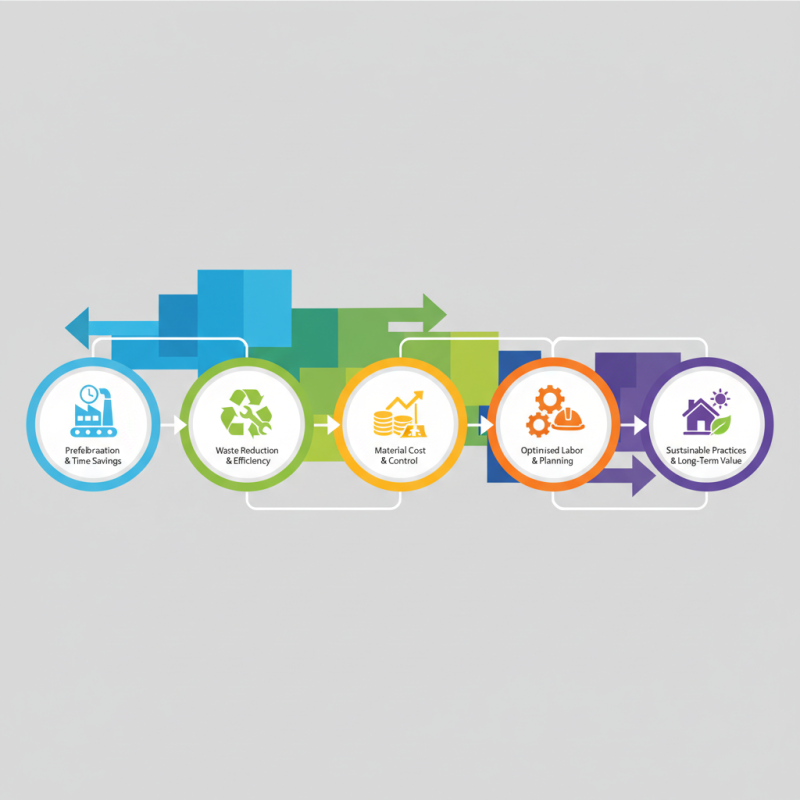
Modular construction offers several benefits that directly contribute to cost reduction. One significant advantage is its ability to streamline the building process. By assembling modules off-site, projects can avoid weather-related delays. This efficiency can notably reduce labor costs and material waste, presenting a compelling case for building owners and contractors.
Implementing modular methods can effectively cut construction time by at least 30%. This means faster project turnover and lower financing costs. Incorporating early planning and design reviews can help identify potential cost overruns. Consider engaging specialists to navigate this initial phase more efficiently.
Another worthwhile tip is utilizing standard modules. Customization can lead to increased expenses, while standard designs can be produced more economically. Focus on scalability and reusability in your project plans. This approach can be both sustainable and financially viable. However, be mindful that uniformity may sacrifice some specific needs, requiring careful consideration of your project's unique requirements.
When it comes to modular construction, selecting the right design can significantly impact your budget. It is essential to understand how each design influences overall costs. For instance, simpler designs with fewer custom features often require less time and labor. This not only keeps construction costs down but also shortens timelines.
Pay close attention to the materials chosen for the project. Sustainable and locally sourced materials can provide financial benefits in the long run. While they might have a higher initial cost, they often save money on maintenance and energy use. Balancing aesthetics with functionality can be challenging, yet it's crucial for budget efficiency.
Another aspect to consider is how the layout impacts labor efficiency. Cluttered designs can increase labor hours, leading to higher costs. Engaging with experienced modular builders can provide insights into optimal layouts. Their expertise can help avoid costly mistakes. Emphasizing a user-friendly, efficient design can lead to substantial savings down the road.
Modular construction is gaining traction for its efficiency. Standardized components play a crucial role in reducing material costs. Reports indicate that utilizing off-site manufactured modules can cut expenses by up to 20%. This approach minimizes waste through precise manufacturing techniques. When components are built in a controlled environment, it enhances consistency and quality.
One significant aspect is the reduction of labor costs. Studies show that modular builds require less on-site labor by up to 30%. This shift not only speeds up the construction process but also mitigates the risks of budget overruns. However, there is a need to assess the initial costs of standardization. If not managed rigorously, the upfront investment can overshadow potential savings. Variability in local markets may also fluctuate costs.
Another critical element is material sourcing. Bulk purchasing of standardized components often leads to lower prices. A report by the Modular Building Institute highlights that economies of scale can reduce costs by another 15%. Nonetheless, relying heavily on standardized parts may limit design flexibility. Striking a balance between cost and uniqueness becomes vital. Construction professionals must scrutinize both benefits and drawbacks to make informed decisions.
In modular construction, efficient project management can significantly reduce costs. Studies show that projects using modular methods can save up to 20% compared to traditional builds. This efficiency comes from better planning and streamlined processes. A report by the Modular Building Institute highlights that 70% of modular projects finish on time or ahead of schedule.
One key technique is effective communication among all stakeholders. This includes architects, engineers, and construction teams. Regular updates can prevent misunderstandings that lead to delays and added expenses. Another important factor is the use of data analytics. By analyzing past projects, teams can identify cost overruns and adjust their strategies accordingly.
However, challenges exist despite these advantages. For instance, the initial investment in training teams to adapt to modular systems can be high. Moreover, not every project benefits equally from modular techniques, which can lead to experimenting and reconsidering approaches. Thorough analysis is essential to ensure that modular construction remains cost-effective in various contexts.
Modular construction has revolutionized the building industry. Leveraging technology can lead to significant cost savings. With advanced software tools, project managers can streamline designs. This reduces time and resources spent on revisions. Building information modeling (BIM) enhances collaboration across teams. It minimizes errors and miscommunication, ensuring projects stay on budget.
Automation plays a crucial role in modular projects. Prefabricated components are manufactured with precision in controlled environments. This leads to fewer material wastages and quicker assembly on-site. However, it's vital to stay adaptable. Technology may bring unexpected challenges. Training staff on new tools can require time and investment. Finding the right balance is essential to maximize benefits while minimizing pitfalls.
Data analytics also offer insights into project performance. Tracking progress in real time can highlight areas needing improvement. Being proactive in addressing these issues can lead to further savings. Nonetheless, technology alone is not a magic solution. Regular reviews and adjustments in strategy remain necessary. Embracing these modern methods can foster an innovative approach to cost reductions.
: It streamlines the building process, reducing weather-related delays and labor costs.
They can cut construction time by at least 30%, leading to lower financing costs.
It helps identify potential cost overruns, allowing for better financial management.
Simple designs with fewer custom features often require less time and labor.
Sustainable and locally sourced materials may cost more initially but save on maintenance and energy in the long run.
Cluttered designs can increase labor hours, leading to higher costs.
Effective communication among stakeholders prevents misunderstandings and costly delays.
No, not every project benefits equally from modular techniques; thorough analysis is needed.
The initial investment in training can be high, which may deter some projects.
Analyzing past projects allows teams to identify cost overruns and improve strategies.
Modular construction offers numerous advantages for reducing costs, making it a strategic choice for budget-conscious projects. By understanding how to reduce costs with modular construction, builders can select the right modular design that aligns with financial goals, thus maximizing budget efficiency. Emphasizing the use of standardized components simplifies the building process and minimizes material waste, contributing to overall savings.
Additionally, implementing efficient project management techniques can streamline workflows and reduce delays, while leveraging technology enhances precision and reduces labor costs. By integrating these strategies, stakeholders can significantly lower expenses and increase the project’s return on investment, effectively demonstrating the cost-saving potential of modular construction.

Estable Living