2026 Best Solutions for Common Problems in Prefab Housing?

Time:2026-07-03 Author:Isabella
0%

Prefab housing has gained popularity in recent years for its efficiency and cost-effectiveness. However, what are common problems in prefab housing? Understanding these challenges is crucial for homeowners and builders alike.

Some issues can include structural integrity, insulation, and design limitations. Homeowners often report concerns about the quality of materials used. For instance, some prefab homes may lack proper insulation, leading to energy inefficiencies. Others experience difficulties with construction timelines, resulting in unexpected delays.

Addressing these problems requires expertise and innovative solutions. This article presents the best methods to tackle the common issues found in prefab housing. By focusing on these solutions, we aim to enhance the reliability and longevity of prefab homes, ensuring they meet the needs of modern living.
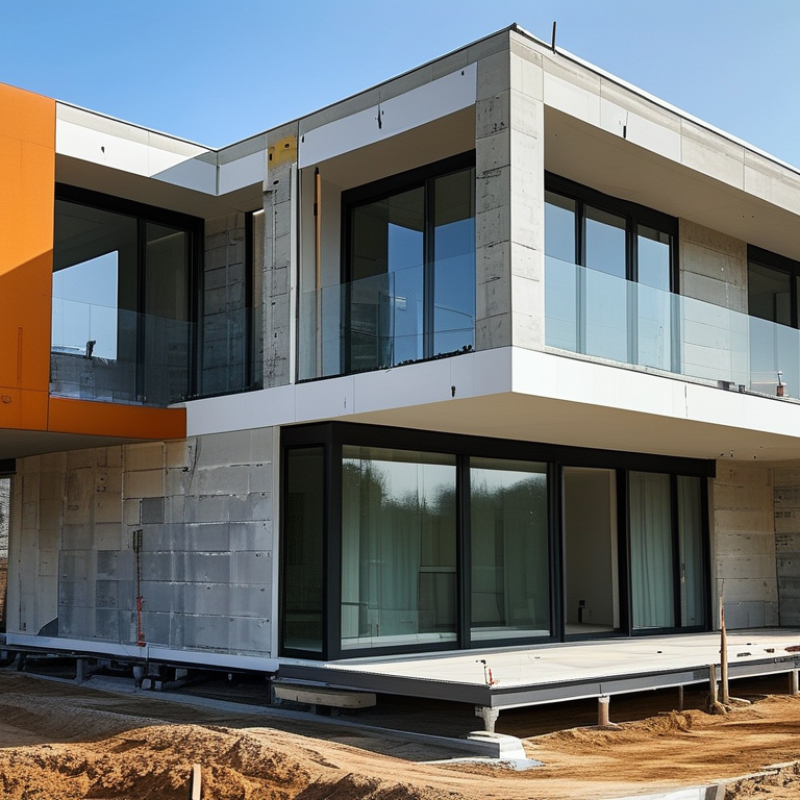
2026 Best Solutions for Common Problems in Prefab Housing?

Overview of Prefab Housing and Its Growing Popularity

Prefab housing has gained traction in recent years, driven by rising housing costs and the need for quick solutions. This method offers a faster build time than traditional construction. Factory-built components are assembled on-site, which reduces labor and material costs. Many buyers appreciate this efficiency, seeing it as an answer to housing shortages.

Despite the growing popularity, prefab homes do face challenges. Some designs may lack flexibility, limiting customization options. Builders often find it hard to meet local codes and zoning laws. Quality control in factory settings can vary, leading to inconsistencies in end products. Potential homeowners need to conduct thorough research before committing to any prefab solution. They must weigh the benefits against these possible pitfalls to ensure a smart investment.

A major concern is the perception of prefab homes. Many still associate them with lower quality. This stigma affects resale value and market appeal. However, innovations in design and technology are helping to change opinions. Increased interest in eco-friendly and sustainable living is pushing the envelope. Many new prefab models highlight energy efficiency and minimal environmental impact. The future of prefab housing looks promising, but ongoing awareness of its drawbacks is essential.

2026 Best Solutions for Common Problems in Prefab Housing

Problem Solution Effectiveness Cost Estimate
Thermal Insulation High-quality insulation materials Very Effective $2,000 - $5,000
Soundproofing Acoustic panels and insulation Effective $1,500 - $4,000
Moisture Control Vapor barriers and dehumidifiers Very Effective $1,000 - $3,000
Electric Wiring Issues Professional rewiring services Highly Effective $3,000 - $8,000
Foundation Settling Piering or slab jacking Effective $2,500 - $6,000

Common Challenges Faced in Prefab Housing Construction and Design

Prefab housing can face numerous challenges in construction and design. One significant issue is ensuring quality control. Factory-produced components may lack consistency, leading to potential structural problems. Poorly designed joints can create air leaks, affecting insulation performance. Builders need reliable methods to test materials before assembly.

Another concern is site adaptability. Prefabricated homes often require specific foundations and infrastructure. Changes in the land condition can limit their success. For instance, uneven terrain may complicate the installation process and increase costs. Flexibility in design is crucial to accommodate various site conditions.

Lastly, the aesthetic appeal of prefab homes can sometimes be questioned. Many people perceive factory-built homes as less attractive than traditional ones. This sentiment can lead to resistance from potential buyers. Creative design solutions are essential to change perceptions and enhance appeal. Collaboration with experienced architects can help bridge the gap between modern design and consumer preferences.

Innovative Solutions to Address Structural Integrity Issues

Prefab housing has gained traction as a cost-effective solution to meet housing demands. However, structural integrity remains a critical concern. A recent report from the National Institute of Standards and Technology indicates that approximately 35% of all prefab homes experience structural issues within their first five years. These problems stem from inadequate materials and poor assembly processes.

Innovative solutions are emerging to enhance the durability of prefab homes. For instance, advanced composite materials are being utilized to improve the resistance to environmental stressors. Research suggests that homes constructed with these materials can reduce maintenance costs by up to 25%. Incorporating automated quality control systems during assembly has proven vital, reducing human error that contributes to structural flaws.

Nevertheless, challenges still persist. Many builders are hesitant to adopt these new technologies due to higher upfront costs. Additionally, there remains a significant skills gap in the workforce trained to utilize these innovations effectively. While the potential for improved structural integrity in prefab housing is promising, ongoing discussions are needed to address these barriers to adoption.

Sustainability Practices for Energy Efficiency in Prefab Homes

Prefab housing has surged in popularity due to its potential for energy efficiency and sustainable practices. According to a recent report by the World Green Building Council, buildings account for nearly 40% of global energy use. This statistic highlights the importance of energy-efficient designs in prefab homes. Integrating solar panels can drastically reduce dependency on traditional energy sources. In fact, studies show that solar installations can save homeowners up to 70% on energy bills.

Utilizing recycled materials also significantly impacts sustainability. Many prefab homes now incorporate recycled steel and reclaimed wood. Such choices not only reduce waste but also promote a circular economy. However, we must be cautious. Sometimes, the sourcing of these materials is not as eco-friendly as claimed, emphasizing the need for transparency in reporting.

**Tip:** Consider energy-efficient appliances when designing your prefab home. They can enhance overall energy savings.

Additionally, implementing advanced insulation techniques can improve energy conservation. Aerogel and other high-performance materials can elevate a home's energy efficiency. Still, these innovations often come at a higher initial cost. Homeowners must weigh the long-term benefits against upfront investments.

**Tip:** Seek government rebates or incentives for energy-efficient upgrades. They can offset costs significantly.

2026 Best Solutions for Common Problems in Prefab Housing

This chart illustrates the energy efficiency measures adopted in prefab homes and their effectiveness in reducing energy consumption. Each measure is represented by a bar, showing the average percentage of energy savings achieved.

Technological Advancements Enhancing Prefab Housing Quality and Customization

Technological advancements are reshaping prefab housing, focusing on quality and customization. These innovations allow for modern designs and better materials. Aesthetic options now range from minimalist styles to vibrant colors, catering to various tastes.

3D printing is making waves in this sector. It enables intricate designs that were once impossible. Homeowners can now request unique layouts tailored to their needs. However, the technology still faces challenges, such as scalability and costs.

Sustainability is also key. Eco-friendly materials and energy-efficient designs are becoming common. Homebuilders can incorporate solar panels and green roofs. Yet, not all prefab homes achieve high sustainability levels; some lack insulation and energy-efficient systems.

Tips: Always review materials used in prefab homes. Research sustainable practices and consult experts. Don't overlook long-term energy costs when choosing a design. Make informed decisions for a better living space.

FAQS

: What are prefab houses?

: Prefab houses are factory-built homes assembled on-site. They offer quicker construction times than traditional methods.

Why are prefab homes becoming popular?

Rising housing costs and the demand for quick solutions drive their popularity in the housing market.

Are prefab homes customizable?

Flexibility in design can be limited, affecting customization options for potential homeowners.

What concerns exist about prefab homes?

Issues like quality control and adherence to local building codes can create significant challenges for buyers.

How is structural integrity a concern?

Approximately 35% of prefab homes report structural issues within five years, often due to poor assembly.

What innovations help improve prefab home durability?

Advanced composite materials and automated quality control systems enhance durability and reduce maintenance costs.

Are there barriers to adopting new technologies in prefab housing?

Higher upfront costs and a skills gap in the workforce hinder the adoption of innovative building materials.

What is the common perception of prefab homes?

Many view them as lower quality, which impacts their resale value and overall market appeal.

How is the stigma around prefab homes changing?

New designs focus on energy efficiency and sustainability, shifting opinions towards more positive views.

Why is ongoing awareness of prefab housing important?

Understanding both benefits and drawbacks ensures homeowners make informed investments in prefab properties.

Conclusion

The article "2026 Best Solutions for Common Problems in Prefab Housing" explores the rising trend of prefab housing and the challenges typically encountered in its construction and design. Key issues outlined include concerns related to structural integrity, which can compromise safety and longevity, as well as sustainability practices that may impact energy efficiency. The piece delves into innovative solutions aimed at enhancing structural reliability and the adoption of environmentally friendly practices that promote energy conservation.

Additionally, advancements in technology are discussed as vital tools that improve the quality and customization of prefab homes. This not only addresses common problems in prefab housing but also meets the growing demand for more efficient, adaptable living spaces. Overall, the article provides a comprehensive overview of how these solutions can help mitigate prevalent issues and further the evolution of the prefab housing industry.

Isabella

Isabella

Isabella is a dedicated marketing professional with a sharp focus on driving brand growth and engagement through strategic content creation. With an extensive background in digital marketing, she combines her passion for storytelling with her keen understanding of industry trends to deliver......