The rise of foldable houses encourages exploration of innovative building materials. Many ask, "what materials are used in foldable houses?" Essential materials often include lightweight metals, durable plastics, and flexible fabrics. These options help maintain structural integrity while allowing mobility.
However, the choice of materials is not without challenges. Some materials may lack insulation properties, impacting energy efficiency. Others might be prone to wear and tear over time, requiring frequent maintenance. It’s crucial to consider both advantages and limitations when selecting the appropriate materials for foldable homes.
Ultimately, the evolving field of foldable house construction presents exciting opportunities. Evaluating various materials can lead to unique solutions, but careful thought is necessary. We must reflect on both the innovative potential and the possible downsides of these choices to ensure longevity and sustainability.
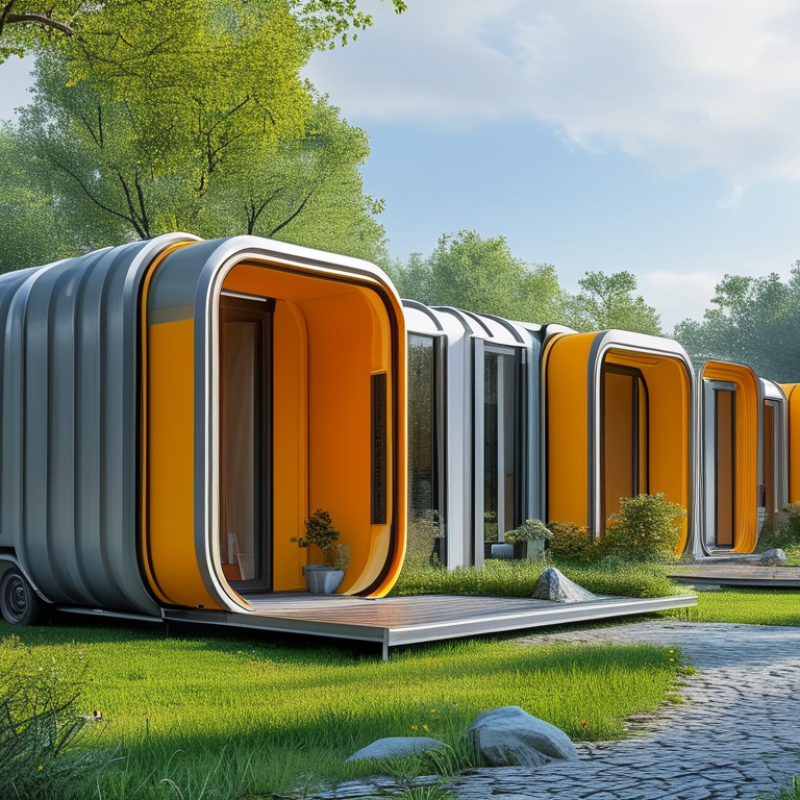
Innovative materials are transforming the design and construction of foldable houses. A recent report from the International Building Materials Association highlights that lightweight materials can reduce construction costs by 20-30%. Eco-friendly options, such as bamboo and recycled metals, are gaining attention. These materials are not only sustainable but also prove to be durable and adaptable.
One intriguing option is modular panels made from engineered wood. These panels, often used in prefabricated structures, can be assembled quickly. They’re lightweight, yet strong enough to withstand various environmental conditions. Additionally, studies show that using composite materials can enhance energy efficiency. These composites can reflect heat, reducing the need for energy consumption in cooling.
However, challenges persist. The long-term durability of new materials remains a concern among experts. There are questions about wear and tear over time, especially in harsh climates. Moreover, the cost of innovative materials can vary significantly, leading to budget uncertainties. As the industry evolves, more research is essential to establish reliable standards for these foldable structures, ensuring they can meet diverse needs efficiently.
This chart illustrates the popularity of various innovative materials used in the construction of foldable houses, showcasing their potential benefits in terms of sustainability, cost-effectiveness, and flexibility.
When considering materials for foldable houses, durability and longevity are crucial. These houses must withstand various weather conditions. High-quality materials can ensure they remain functional and safe. Use materials that resist corrosion, such as treated metals. These will hold up against rain and humidity, extending the life of the structure.
Another option is engineered wood products. They offer strength while being lightweight. This characteristic is vital for foldable designs. Proper treatment enhances resistance to pests and decay. However, it’s essential to select the right type of wood. Some options may not perform well over time. Research is necessary to confirm long-term reliability.
Recycled materials also present a sustainable choice. They often come with environmental benefits. However, their durability can be inconsistent. Certain recycled plastics may degrade faster than expected. It's important to balance sustainability with quality. This decision requires careful thought and research, ensuring the materials chosen meet all longevity standards.
As the demand for sustainable living increases, foldable houses are gaining attention. These homes need materials that are not only lightweight but also eco-friendly. Many renewable resources fit the bill. Bamboo is one such material. It grows quickly and requires minimal processing. Its natural strength makes it suitable for structural elements. However, suitable treatments are necessary to combat pests and moisture.
Recycled steel is another option worth exploring. It is durable and can withstand various weather conditions. Using recycled steel for foldable houses reduces waste and the demand for new raw materials. But, transporting heavy steel can increase carbon footprints. We must balance practicality with sustainability.
Lastly, consider using advanced composites made from bio-based materials. These materials can be lightweight and highly efficient. Yet, their production methods often require energy-intensive processes. It's crucial to evaluate the entire lifecycle of these materials. Selecting the right eco-friendly options demands careful thought. Each material has its pros and cons. Choose wisely to ensure both sustainability and functionality in foldable housing designs.
When considering materials for foldable houses, the balance between lightweight and sturdy options is crucial. Lightweight materials can enhance mobility and ease of setup. For instance, bamboo and aluminum provide excellent strength-to-weight ratios. They allow for easy transportation without sacrificing durability. These materials are ideal for those who prioritize quick assembly and mobility.
Sturdy materials like steel and concrete offer more protection against the elements. However, they can be heavier and less portable. When selecting your materials, consider how often you plan to relocate the house. If you move frequently, prioritize lightweight options. Otherwise, sturdier materials may better suit your long-term needs.
Tips: Always test materials before full-scale implementation. Some lightweight options may not hold up in extreme weather. Don't overlook insulation; it matters for energy efficiency. Ensure your chosen materials can withstand different climates. Rethink your design—sometimes, less is more.
When considering materials for foldable houses, cost-effectiveness plays a crucial role. Many people look for budget-friendly options that do not compromise quality. Wood is a timeless choice. It is renewable and can offer excellent insulation. However, the price can vary significantly based on type and sourcing.
Metal is also gaining popularity among builders. Steel, for instance, is strong and requires less maintenance. Yet, it can be more expensive upfront. Evaluating the total cost over time is essential. While it may save money on repairs, initial costs are a barrier for some.
Another option is recycled materials. They can reduce waste and lower expenses. However, the availability can be inconsistent. This means builders might face challenges in sourcing enough material. Each option demands careful consideration of practicality and financial feasibility. The decision should reflect both immediate needs and long-term sustainability.
| Material | Cost per Square Foot | Durability | Energy Efficiency | Sustainability |
|---|---|---|---|---|
| Wood | $10 | Moderate | Good | Renewable |
| Steel | $20 | High | Average | Recyclable |
| Concrete | $15 | Very High | Low | Non-renewable |
| Bamboo | $8 | Moderate | Good | Highly Renewable |
| Insulated Panels | $12 | High | Excellent | Variable |
: Innovative materials include lightweight options like bamboo and recycled metals. They reduce costs and support sustainability.
They can lower costs by 20-30%, making them more appealing to builders.
Modular panels are often made from engineered wood. They are lightweight and can be quickly assembled.
These houses must endure various weather conditions. Durable materials ensure safety and functionality over time.
Treated metals resist corrosion, making them ideal for environments with high humidity and rain.
Engineered wood is lightweight but strong, essential for maintaining structural integrity in foldable designs.
Recycled materials can be sustainable but may have variable durability. Quality must be considered carefully.
Concerns about long-term durability remain. Some materials may not withstand harsh climates.
Composite materials reflect heat, reducing energy consumption for cooling. This enhancement benefits overall efficiency.
Research helps establish standards and ensures materials meet diverse needs reliably. This is crucial for future development.
The article "2026 Best Materials for Foldable Houses to Consider?" delves into the innovative materials suitable for constructing foldable houses, focusing on their durability and longevity. Key considerations include not only the strength and stability of the materials but also their ability to withstand various environmental conditions. The article emphasizes the importance of sustainability, highlighting eco-friendly options that minimize environmental impact.
Additionally, it addresses the balance between lightweight and sturdy materials to ensure mobility without compromising structural integrity. Cost-effectiveness is also a crucial factor, as evaluating budget-friendly building materials can significantly influence project feasibility. Ultimately, the discussion answers the important question of what materials are used in foldable houses, providing insight into the best options for modern, sustainable living.

Estable Living