Prefab modular homes are gaining popularity among global buyers, but a key question remains: how long do prefab modular homes last? Recent studies suggest that these homes can last anywhere from 30 to 100 years, depending on various factors such as materials and construction quality. The National Association of Home Builders reported that properly maintained modular homes can stand the test of time.
Yet, not all prefab homes are created equal. Some may face challenges like insufficient insulation or material degradation over time. A report by the Modular Building Institute indicates that cost-cutting measures can sometimes compromise longevity. Buyers should consider durability alongside affordability.
In an evolving market, understanding longevity is crucial. Quality assurance in construction and materials directly impacts lifespan. While many modular homes can last decades, homeowners must invest in regular maintenance and renovations. Reflecting on these aspects can ensure a smart purchase decision in the modular housing landscape.
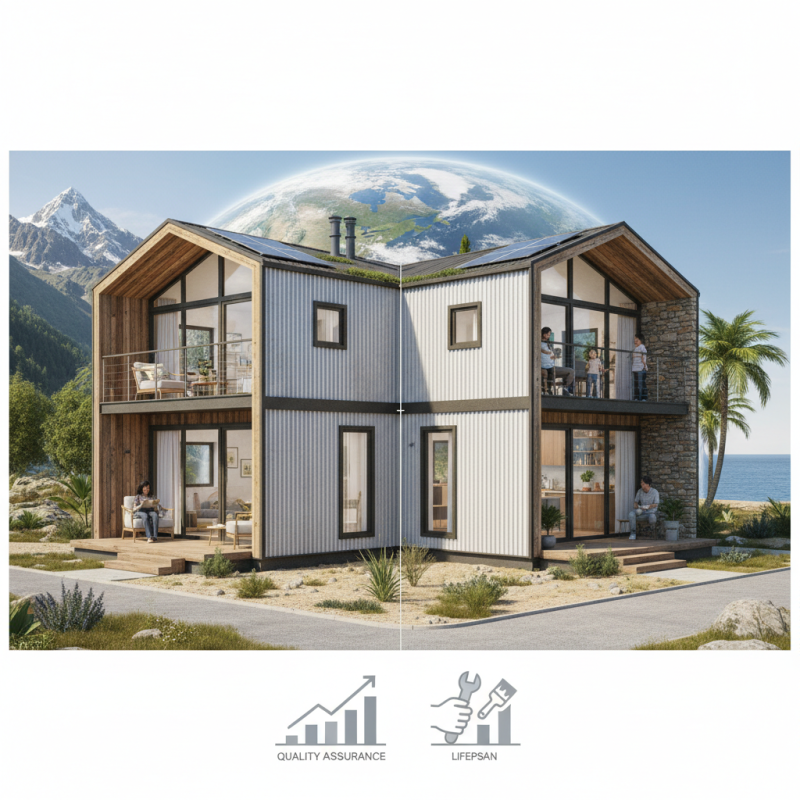
Durability Factors Affecting Prefab Modular Homes' Lifespan
When considering durability, prefab modular homes showcase strengths and weaknesses that affect their lifespan. Materials used in construction significantly influence the longevity of these homes. Common options include steel, wood, and concrete, each with its own wear dynamics. For instance, wood may face rot, while steel can resist elements better. Proper weather-proofing techniques are crucial. They shield homes from moisture and extreme temperatures.
Maintenance practices also play a pivotal role. Regular inspections can help identify issues early. Owners should assess roofs, siding, and foundations frequently. Issues like cracks or leaks, if ignored, can lead to larger problems. Moreover, the local climate often dictates how well a home holds up. A structure in a coastal area might battle salt corrosion faster than one situated inland.
Design choices further impact durability. Open floor plans may allow more natural ventilation, which helps prevent mold. On the contrary, intricate designs might trap moisture. Investing in quality installation is vital. A poorly assembled home may have hidden vulnerabilities. Reflecting on these factors can help potential buyers understand what to expect from prefab modular homes.
Average Lifespan of Prefab Modular Homes Compared to Traditional Homes
Prefab modular homes have gained popularity in recent years. Many buyers are curious about their longevity compared to traditional homes. The average lifespan of prefab homes typically ranges from 30 to 50 years. This marks a notable difference when compared to the 70 to 100 years often associated with traditional construction.
While some modular homes can last for decades, several factors influence their lifespan. The quality of materials used is crucial. Homes built with durable materials often show better longevity. Additionally, proper maintenance is essential. Neglect can lead to issues that shorten their lifespan. In some cases, manufacturing flaws have resulted in premature wear. Buyers should prioritize reputable builders to mitigate these risks.
Weather conditions also play a role in the durability of prefab homes. Extreme temperatures, heavy winds, or flooding can affect their structure. Regions prone to harsh weather may see reduced lifespans. It is worthwhile to assess local conditions before purchasing. Ultimately, understanding these variables can help buyers make more informed decisions about their investments.
Maintenance Practices That Extend the Lifespan of Prefab Modular Homes
Prefab modular homes can last up to 50 years or more, depending on various factors. One crucial aspect is maintenance practices that directly influence their lifespan. Regular inspections can identify issues early. Homeowners should check for paint chipping, which can expose materials to moisture. Repainting every five to seven years can help fend off rot and termites.
Another significant maintenance practice is proper sealing. Gaps around windows, doors, and the foundation can lead to air leaks and moisture entry. The U.S. Department of Energy advises sealing these gaps to improve energy efficiency and reduce wear on the building. In turn, this also enhances overall living comfort. A simple caulking job can be a game-changer for longevity.
Proper ventilation is also key. Without it, humidity can build up, leading to mold growth and material decay. Homeowners need to ensure attics and basements are well-ventilated. According to a National Association of Home Builders report, homes with adequate ventilation last longer and sustain better indoor air quality. Regular maintenance, though simple, is crucial for maximizing the lifespan of prefab modular homes.
Impact of Climate and Location on Modularity and Longevity
When considering prefab modular homes, the influence of climate and location is crucial. Different climates can significantly affect the durability of these homes. For instance, homes in coastal areas face harsh weather, which can shorten their lifespan. A report by the National Institute of Standards and Technology indicates that strong winds and saltwater corrosion can deteriorate materials faster than expected.
Location plays a pivotal role as well. Homes in extreme temperatures, whether hot or cold, require specific materials for insulation and resilience. According to the Modular Building Institute, a well-insulated prefab home can last anywhere from 30 to 70 years, depending on how well it is built and maintained. However, homes in areas prone to heavy rainfall or seismic activity may need regular upkeep, impacting longevity.
Beyond the physical elements, local regulations and building codes further influence the durability of modular homes. In regions with stringent codes, homes are often built to higher standards, naturally extending their lifespan. However, the flexibility of modular construction can lead to variability in quality. Buyers should investigate local practices closely to ensure reliability. Weather, geographical challenges, and regulations all converge to dictate how long these homes truly last.
Innovations in Prefab Technology and Their Role in Longevity
Prefab modular homes have gained attention for their innovative design and construction techniques. The technological advancements in prefab homes have significantly contributed to their longevity. Robust materials, improved insulation, and modern building methods can enhance durability. These factors play a vital role in maintaining structural integrity over time.
Innovations in modular construction, such as 3D printing and advanced robotics, are shaping the future of housing. These technologies can reduce waste and streamline the assembly process. However, the reliance on technology presents challenges. Not all innovations translate to improved home performance. Builders must carefully evaluate new methods and materials.
While innovations promise increased longevity, ongoing maintenance is essential. Even with high-tech materials, environmental factors can impact lifespan. Homeowners should remain vigilant about regular upkeep. Understanding these nuances can help buyers make informed decisions. Modular homes could last for decades, but recognizing their vulnerabilities is key.
Longevity of Prefab Modular Homes
This bar chart illustrates the estimated lifespan of prefab modular homes based on various construction materials and technologies. The data reflects average durability periods, showcasing how innovations in prefab technology contribute to longer-lasting homes.
FAQS
: Steel, wood, and concrete are common materials. Each has different wear and tear dynamics.
Coastal homes face salt corrosion and harsh weather, affecting durability. Extreme temperatures also require better insulation.
Regular inspections are crucial. Early identification of issues like leaks can prevent larger problems later.
Open floor plans allow for ventilation, reducing mold. Complex designs might trap moisture, potentially causing damage.
Poor installation can create hidden vulnerabilities. It’s vital to ensure proper assembly for better durability.
Stricter building codes generally mean better construction quality. Investigating local practices is essential for reliability.
Yes, inadequate weather-proofing can lead to moisture issues. Proper techniques are vital for protecting the home.
Frequent assessments of roofs, siding, and foundations should be done. This helps catch issues before they worsen.
Yes, homes in areas with severe weather need materials suited for resilience. Maintenance becomes essential in such climates.
Yes, geographical conditions like heavy rainfall or seismic activity require careful material selection and maintenance practices.
Conclusion
Prefab modular homes have garnered attention for their innovative construction methods, but a key concern for potential buyers is, "how long do prefab modular homes last?" The lifespan of these homes can be influenced by various durability factors, including the quality of materials used, the construction process, and ongoing maintenance practices. On average, prefab modular homes can last as long as traditional homes, often exceeding 50 years when built and maintained correctly.
Additionally, the impact of climate and location plays a crucial role in determining the longevity of these structures. Different environmental conditions can affect materials and design choices, making it essential for buyers to consider their specific circumstances. Recent innovations in prefab technology also contribute to enhancing durability, ensuring that these homes not only meet modern standards but also maintain their integrity over time. By understanding these aspects, buyers can make informed decisions regarding the longevity of prefab modular homes.

 Estable Living